

NZ’s 9th COVID-19 wave: why infections are rising – and how booster shots still help
- Written by: Michael Plank, Professor in Applied Mathematics, University of Canterbury
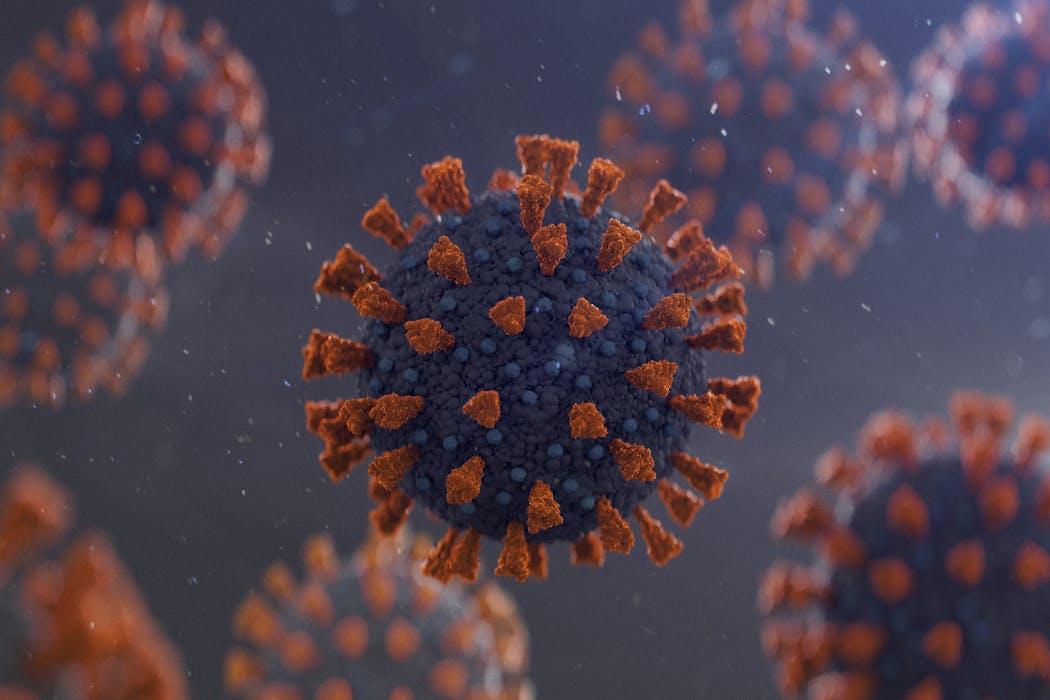
Six years after COVID-19 first reached New Zealand, the country is experiencing its ninth wave of infections.
But the virus we are living with today behaves very differently from the one that caused the global emergency in 2020–22.
Large outbreaks can still occur, but thanks to widespread immunity built through vaccination and infection, COVID now behaves more like other respiratory viruses that circulate each year in our communities.
Hospital admissions are currently around half the level seen during most of last winter, which itself was below earlier waves.
Wastewater monitoring – which tracks fragments of the virus shed into sewage – similarly points to a longer-term year-on-year decline in COVID activity.
New Zealand no longer publishes up-to-date reporting of COVID-attributed deaths, but earlier data showed a clear downward trend. Deaths fell from a high of 2,766 in 2022 to 664 in 2024 and were tracking well under that level before reporting stopped in mid-2025.
Right now, there is no notable variant of the virus driving the bump in cases.
Instead, wastewater surveillance shows a “soup” of subvariants of the still-dominant Omicron strain circulating in the community, with NB.1.8.1 accounting for just over half of positive samples.
This means the current wave likely reflects a combination of waning immunity, increased indoor contact in schools and workplaces, and the continued evolution of variants that can partially evade existing immune protection.
How does COVID-19 now compare?
In terms of overall population impact, recent seasons suggest the burden of COVID in many countries is broadly similar to seasonal influenza. Both viruses cause substantial illness each year and place pressure on health systems.
For example, influenza is estimated to cause about 135 deaths per million people in an average year in New Zealand – roughly 700 deaths annually, although the impact varies considerably between seasons.
In the United States, data shows influenza has caused more hospitalisations than COVID since 2024.
None of this means COVID is harmless. Even relatively small waves can still cause many people to become sick and take time off work.
But it is no longer the threat it was in 2022. Both COVID and influenza remain dangerous viruses that cause significant illness and still pose a risk of severe disease and death in high-risk groups.
COVID-19 has become less severe over time largely because the population has built high levels of immunity over the past five years. At first this protection came mainly from vaccination, which played a crucial role in ending the acute phase of the pandemic and the need for disruptive lockdowns.
Since then, population protection has increasingly come from a combination of vaccination and previous infection – often referred to as “hybrid immunity”. Most people have now encountered the virus at least once, and many more than once, which broadens immune responses across different variants.
This has strengthened population immunity and reduced the likelihood that new variants will cause the same level of severe disease seen earlier in the pandemic. However, the virus continues to evolve and periodic waves of infection are likely to remain a feature of COVID for the foreseeable future.
Infection-acquired immunity to reinfection is neither perfect nor permanent. But, as with other endemic respiratory viruses, accumulated immunity from both vaccination and infection now plays the main role in reducing severe outcomes and limiting the scale of outbreaks.
However, as for any pathogen, gaining immunity through infection carries risks.
There is still a risk of severe illness, particularly for older adults and those with underlying conditions, and some people develop Long COVID, where symptoms can persist for weeks or months after infection.
Who should get boosted?
While it is impossible to eliminate the risk of infection entirely, vaccination remains a far safer way to boost immunity.
This is especially important for people at higher risk of severe illness, such as older adults and those with compromised immune systems.
In New Zealand, people aged 80 and over are more than 10 times as likely to be hospitalised for COVID than those under 60, and account for the majority of COVID deaths.
For these reasons, the Immunisation Advisory Centre recommends adults aged 75 and over, people over 65 living in residential care, and those who are severely immuno-compromised get their booster shots every six months.
Annual vaccination is recommended for other high-risk groups, including adults aged 65–74, Māori and Pacific people aged over 50, and anyone with underlying health conditions that increase the risk of severe disease.
Healthy adults aged 30–64 might also consider an annual vaccination, especially if they live with or care for vulnerable people. Most children do not need routine vaccination unless they have severe immune compromise or other high-risk conditions.
While “real-world” effectiveness data for the latest booster is still emerging, it is designed, like earlier vaccines, to better match circulating variants and uses the same vaccine platform with a strong safety record.
As with influenza, vaccination remains the best tool we have to reduce the spread of infection and the risk of severe sickness.
For those of us who develop symptoms, the message remains the same: stay home to protect your friends, colleagues and the wider community.
Authors: Michael Plank, Professor in Applied Mathematics, University of Canterbury


 Daily Bulletin


