

New ban on dangerous rodent poisons is lifeline for our native animals
- Written by: Robert Davis, Associate Professor in Wildlife Conservation, Edith Cowan University
We’ve just had an epic win for our native animals, such as owls, goannas and eagles. And after years contributing to the scientific evidence on the wildlife impact of rodent poisons, it’s a day scientists like myself feared would never come.
This week, the federal pesticides regulator finally announced a ban on the sale of a type of rodent poisons called second-generation anticoagulant rodenticides (SGARs).
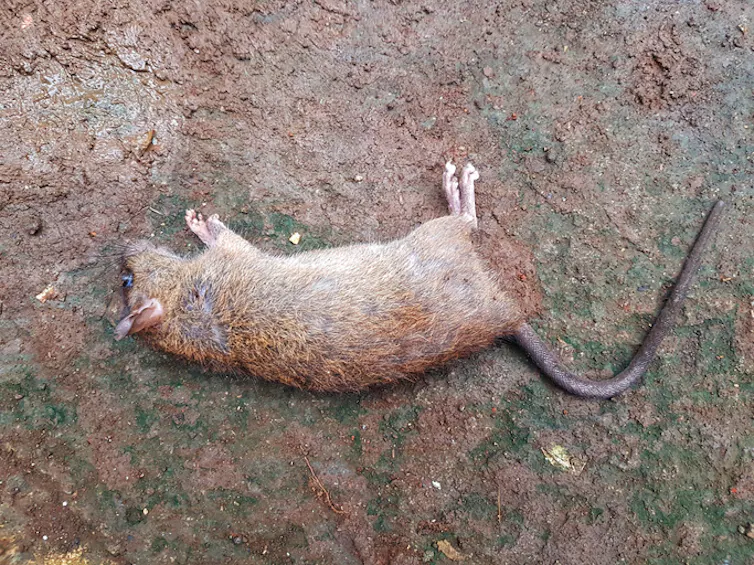
This means that some commonly used rat baits will be taken off the shelf at supermarkets and hardware shops. These baits can have a devastating effect on native animals, which receive lethal or crippling doses when they eat poisoned rats and mice.
Let’s look at what these rodent poisons (or rodenticides) are, why they are lethal for wildlife, and why they needed to banned.

What’s wrong with “second generation” rodent poisons?
Rat and mouse baits are an essential part of everyday life – people use them without thinking. Most baits are anticoagulants, which stop the blood coagulating or clotting and cause animals to bleed to death.
The first over-the-counter baits (developed in the 1940s) used chemicals such as warfarin and coumatetralyl, and are the first-generation anticoagulant rodenticides (FGARs). Notably, these chemicals break down relatively quickly, both in the environment and the livers of animals who consume them. For example, warfarin only lasts 35 days.
But as rats and mice developed resistance to these baits, second-generation anticoagulant rodenticide (SGARs) were developed. The active chemicals in these baits persist much longer in the tissues of the animals who eat them. They can last up to 217 days (brodifacoum) and 248 days (bromodiolone).
This means poisoned rodents move around with these persistent chemicals in their body until they die. And when predators such as owls or goannas eat them, these chemicals accumulate in their livers. The more rodents an animal eats, the higher the concentrations of chemicals that builds up. Eventually, this makes them sick, and often leads to death from poisoning.
When our lab starting working on this issue a decade ago, the problem was well known overseas but poorly studied in Australia. In our first review of the topic, we identified the need for stronger regulation of SGARs in Australia, noting many instances of wildlife exposure here. Australia was lagging behind other countries in awareness and regulation.
My then-PhD student Mike Lohr, now an independent researcher, undertook the first dedicated study on wildlife exposure in Australia. He found 73% of 73 Australian boobook owls were poisoned. We were alarmed enough look more broadly. Sadly, our work identified high rates of exposure and lethal poisoning in native reptiles and threatened carnivores. And colleagues have documented poisoning of many of our night birds, possums, eagles and even frogs.
Endless review had disappointing outcome
The science is unequivocal but Australia fell behind many countries in refusing to withdraw these products from sale to domestic consumers. A regulatory review due in 2015 was delayed multiple times. In the meantime, faced with a lack of action from the regulator, there has been a people-led “owl-friendly” movement, in which councils took action to educate citizens and retailers on the issue and encourage them to stop using SGARs.
In July 2024, I was part of a scientific delegation to Parliament House in Canberra to meet with politicians and the federal pesticides regulator, the Australian Pesticides and Veterinary Medicines Authority, to present our scientific evidence. The review was delayed another year, and finally released just before the end of 2025.
Unfortunately, it fell short of what many of us had expected. It relied on simple label changes and the use of tamper-proof bait boxes to present wildlife from being poisoned. It even suggested removing most of the less-harmful rodent poisons from sale because they lacked required bitter-tasting ingredients to be compliant. But it proposed no regulation of the dangerous second-generation poisons.
Our own research (currently under peer review), proves native wildlife is at risk of eating bait directly from tamper-proof bait boxes. We recorded up to 21 species of native wildlife interacting with bait boxes (investigating, feeding in close proximity or even with their heads in bait boxes). Furthermore, poisoned mice and rats are still being eaten by native predators as long as SGARs are being used.
Finally, Australia goes from laggard to leader
Unexpectedly, on March 10 2026, the pesticides authority announced that after consulting with states and retailers, SGARs sales would be suspended for a year, with regulatory controls put in place to prevent sale to consumers. SGARs will still be available to licensed and trained pest controllers.
This news is very welcome, however after the year-long suspension we need SGARs to be defined as a “restricted chemical product” (RCP). This means they can be removed from sale to consumers permanently, and only be accessible to commercial providers.
The removal of these toxic rodent baits from public sale will save countless native animals from suffering, and improve the outlook for many threatened species. First-generation rodent poisons and non-coagulant baits that are better for wildlife will remain available for home users.
And there are many alternatives to try first before reaching for those baits. These include cage traps, snap traps, electric traps, good hygiene practices and rodent-proofing. The owls and goannas will thank you.
Authors: Robert Davis, Associate Professor in Wildlife Conservation, Edith Cowan University


 Daily Bulletin


