

Spring air is humming with insects. But we’re blind to what’s happening to them
- Written by: Eliza Middleton, Senior Ecologist, University of Sydney
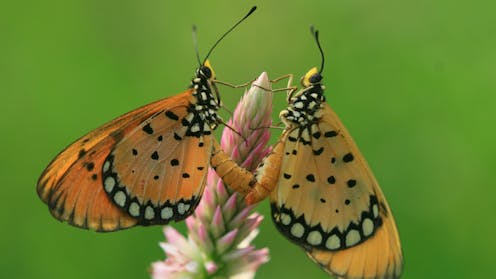
Spring in Australia has arrived like a celebration. Magpies are warbling in the morning, wildflowers are bursting open across bushland, and the air is humming with life as tiny creatures have stirred back into action after the winter: bees darting between flowers, dragonflies skimming across ponds, and swarms of flying ants mating.
But we are largely blind to Australia’s insects, and more specifically, what has happened to them over years and decades. That’s because Australia – despite having some of the richest insect biodiversity on the planet – doesn’t have long-term datasets about insects. And because of this, we don’t have a coordinated way to know whether our native bees, butterflies, or even pest species are stable, declining, or booming.
But we can all help address this knowledge gap, and now is the perfect time of the year to do so.
Huge changes in insect numbers
Depending on where we look, and which insects we look at, we are seeing huge changes in insect populations.
For example, Europe’s long-running insect monitoring programs, such as the Krefeld study in Germany, have revealed dramatic declines in flying insect biomass, with losses of up to 75% over three decades.
The lack of similar monitoring programs and long-term data about insect populations in Australia is already having consequences. Take the bogong moth.
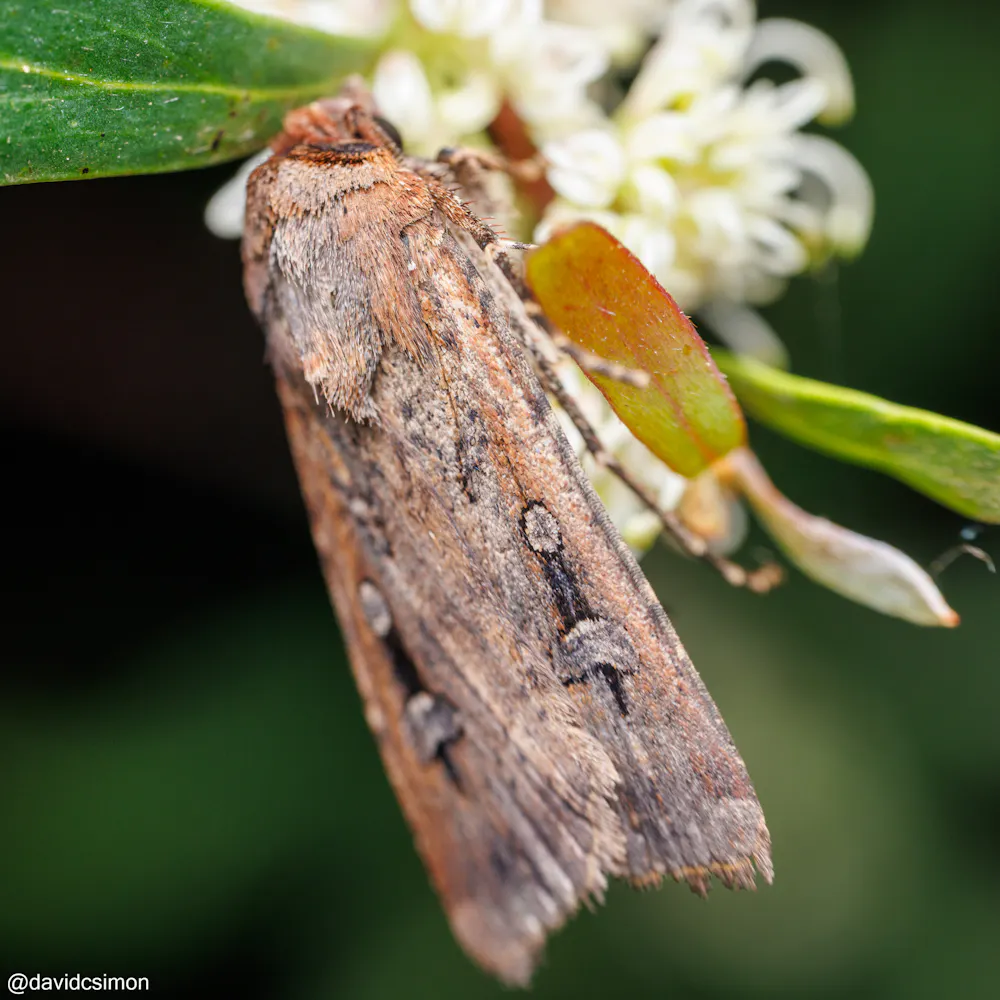
Once so abundant its migrations darkened the skies of eastern Australia, its numbers have plummeted by more than 99% in some areas in recent years. The mountain pygmy possum, an endangered species that depends on these moths for spring feeding, is now struggling to survive without its main food source.
This cascading effect is a stark reminder that when insect populations collapse, everything that depends on them – plants, animals, even people – can feel the impact.
Yet, we only noticed the bogong moth crash after it happened. Without consistent monitoring, we simply don’t have a baseline to detect change early – let alone prevent it.
Why spring matters for data collection
Spring is when insect life explodes into action. It’s when pollinators emerge to feed and breed, when decomposers such as beetles and flies begin their crucial work recycling nutrients, and when countless species begin to build the food webs that sustain ecosystems through the year.
Miss the spring data collection window, and you miss the moment when insect activity is at its peak. It’s like trying to understand traffic flow in a city by observing it at 3am instead of during peak hour.
Without good insect data, we can’t track shifts in emergence times that are changing due to warming temperatures (aphids are emerging up to a month earlier in the United Kingdom), or notice if key species are missing altogether.
That makes it harder to support agriculture, manage ecosystems, or respond to biodiversity loss in a meaningful way.
The need for a national monitoring network
For years Australian entomologists have been calling for a national insect monitoring network, one that collects regular, standardised data across ecosystems and seasons.
Without better baseline data, we simply lack the capacity to detect or respond to significant declines.
While not a fully fledged national network, initiatives such as Butterflies Australia demonstrate the potential of citizen science to contribute to long-term monitoring through standardised protocols and broad public participation.
Beyond conservation and risk detection, a national monitoring network would also play a critical role in discovering new species. Many of Australia’s invertebrates remain undocumented, and ongoing monitoring can lead to significant scientific discoveries.
One recent discovery came from a citizen science project where students helped identify a previously unknown wasp species in suburban Perth. This highlights the potential of a national-scale approach to not only track what we know, but also uncover what we don’t know.
What you can do
While Australia still lacks a national insect monitoring network, you can help fill the data gaps right now. Whether you’re a budding naturalist, a student, or simply curious about the life around you, there are ways to get involved in building the baseline scientists urgently need.
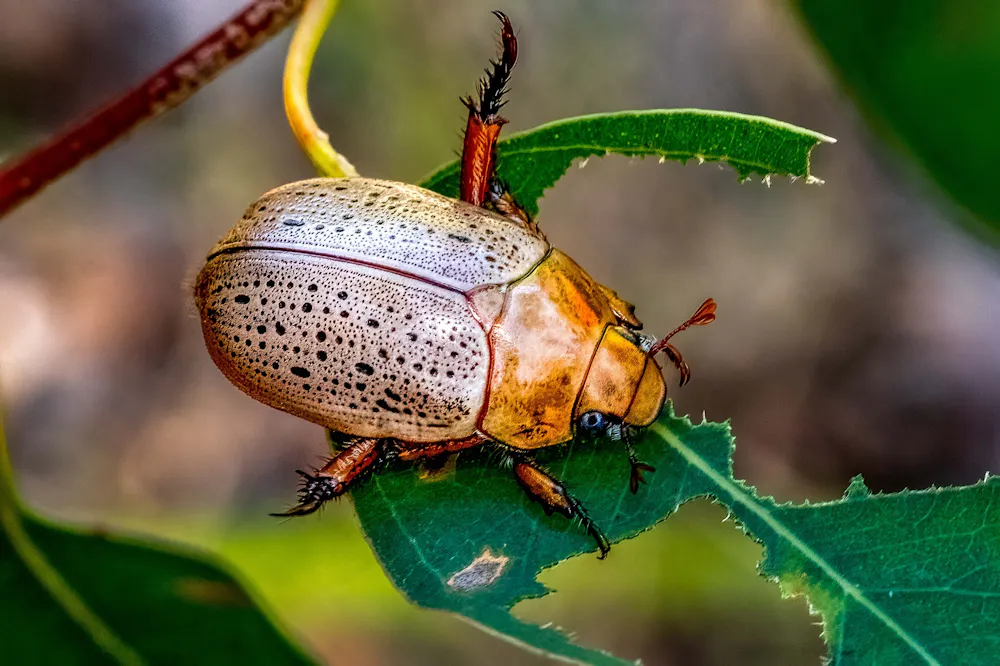
The Christmas Beetle Count runs every summer and involves taking photos of Christmas beetles to help researchers understand if their populations have declined. From this initiative, we have been able to see Christmas beetles that have not been observed in decades.
The Great Southern Bioblitz is a big citizen science project, where users of iNaturalist are encouraged to upload photos of all kinds of nature to the website. Its goal is to increase our knowledge of southern hemisphere nature.
If you’ve got kids and want to observe nature, the app Seek provides a safer environment for children to take photos and contribute to citizen science.
On a more local scale, you can join a local initiative run by some councils and environmental groups, such as Moth Night and the Sutherland Shire Beetle Hunt.
Insects are the unsung heroes of our ecosystems, pollinating crops, recycling nutrients, feeding birds, and much more. By getting involved in citizen science, you’re not just collecting data, you’re laying the groundwork for a national monitoring system Australia urgently needs, and ensuring we notice what’s changing before it’s too late.
Authors: Eliza Middleton, Senior Ecologist, University of Sydney


 Daily Bulletin


