

Australia’s small business shipments are caught in the US-China trade war crossfire
- Written by: Nicola Charwat, Senior Lecturer, Business Law and Taxation and Associate Dean of Learning and Teaching, Monash Business School, Monash University
Until this week, thousands of Australian small businesses that exported to the United States relied on a simple system that had worked for decades.
Parcels worth less than US$800 (A$1225) could enter the US tax-free under the “de minimis” rule for low-value goods. But from August 29, that exemption will be suspended and all US-bound parcels from Australia will be subject to the 10% tariff the US now applies to Australian exports.
Ahead of that change, Australia Post suspended shipments to the US while it works out how to collect this tariff upfront on behalf of US Customs.
Many European countries, India, Japan and other nations have also suspended parcel shipments to the US.
Small businesses will be hit hard
The disruption will hit hardest for Australia’s small and medium-sized businesses, which make up 93% of the nation’s exporters, according to Austrade. From winemakers to sustainable clothing outfits, small businesses selling directly to US consumers will undoubtedly suffer.
Some Australian e-commerce retailers made the decision to halt sales to the US, while others are exploring more expensive private courier services.
Skincare business PuraU told the Australian Financial Review 15% to 20% of its sales went to the US and commercial shipping options could cost as much as the product itself.
Large companies have been hit, too. UGG Australia said it will have to absorb the higher shipping costs for US orders that have already been placed. About 90% of UGG’s international sales go to the US.
When postal services do resume, the 10% tariff will be passed onto US consumers, potentially pricing Australian goods out of the US market.
For American consumers, the changes mean reduced access to international products, higher shipping costs and likely significant delays for online orders.
US President Donald Trump claims the removal of the “de minimis” exception protects the US economy.
But it will make life harder for American shoppers who’ve grown used to affordable international goods delivered to their door – at a time when many households are grappling with elevated costs of living and the effects of inflation.
These are the real targets
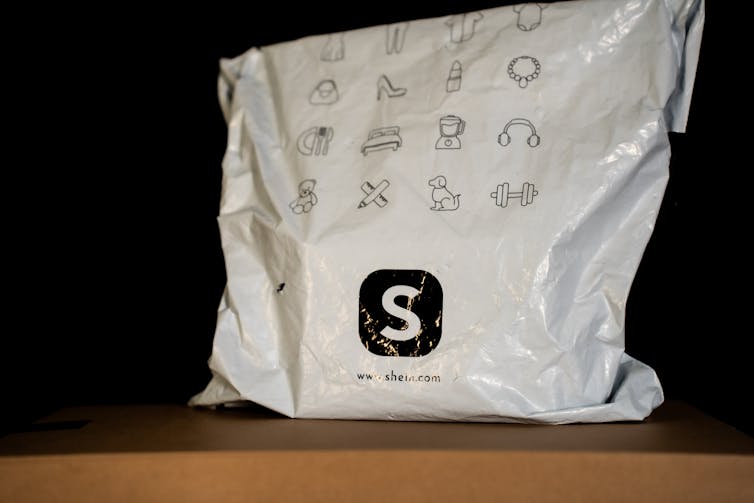
Australian businesses are likely collateral damage in a bigger strategic battle. The real target here is China, and specifically e-commerce giants such as Temu and Shein that have filled Americans’ mailboxes with parcels.
The volume of low-value parcels handled by the United States Postal Service has skyrocketed between 2015 and 2024, from 134 million shipments a year to 1.36 billion. US Customs and Border Protection estimates about 67% of these are from China and Hong Kong.
The US removed China’s access to the “de minimis” exemption in May, and currently applies a tariff rate of 54% to all imports from China.
The US removal of the “de minimis” exemption worldwide is like using a sledgehammer where you need a scalpel – it’s hitting everyone, not just the intended targets. Australian small businesses shipping premium products are being treated the same as Chinese retailers shipping $5 items.
It’s a further example of Trump’s tariff diplomacy – the strategic use of tariffs to achieve foreign policy goals.
What’s really at issue is what the Trump administration, in its first term, came to see as unfair subsidies embedded in the international postal system that disadvantaged US businesses.
In the United Nations forum known as the Universal Postal Union (UPU), which coordinates international mail delivery, China pays lower contributions to cover the cost of international postage on account of its developing country status.
The US has previously threatened to withdraw from the international postal system, which would mean it would start to set its own charges for every country accepting US mail. These rates will be a hot topic at the upcoming international UPU congress in Dubai, where nations will negotiate the future of the international postal system.
For years, the US has complained about China’s developing country classification in international organisations. It has argued the world’s second-largest economy shouldn’t receive preferential treatment as a developing country.
The battle over parcel shipments is a microcosm of this larger strategic competition, where trade rules and policy are weaponised in a great power rivalry.
Authors: Nicola Charwat, Senior Lecturer, Business Law and Taxation and Associate Dean of Learning and Teaching, Monash Business School, Monash University


 Daily Bulletin


