

Community-run food co-ops can reduce food insecurity and boost healthy diets, research shows
- Written by: Katherine Kent, Senior Lecturer in Nutrition and Dietetics, University of Wollongong
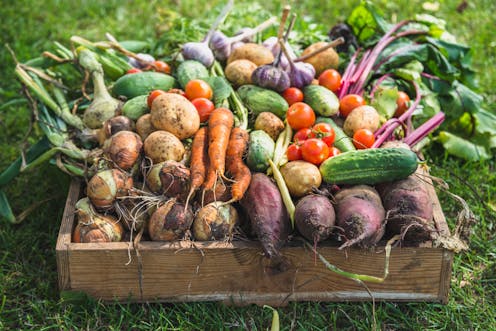
As grocery prices continue to rise, many Australians are struggling to afford healthy food and are looking for alternatives to the big supermarket chains.
The recent supermarkets inquiry, run by the Australian Competition and Consumer Commission, confirmed Australia’s grocery sector is highly concentrated, with limited competition and rising retail margins. In regional and remote areas, consumers often face higher prices and fewer choices.
One option growing in popularity around the country is the community food co-operative, or “food co-op”.
Food co-ops are local not-for-profit or member-owned groups where people join together to buy food in bulk, usually straight from farmers or wholesalers. These co-ops can take different forms, including shops, neighbourhood-based hubs, or box delivery models. They typically offer a range of foods such as fresh fruit and vegetables, bread, dairy products, eggs and pantry staples.
By co-ordinating their orders, members can reduce food costs, limit packaging waste, and avoid supermarket markups. Co-ops can also help lower transport emissions by reducing long supply chains.
We’ve been researching the benefits of food co-ops. We’ve found this model could reduce food insecurity and increase people’s intake of fruit and vegetables.
How are food co-ops run?
Some co-ops are owned and run by their members. Any surplus or profits are generally reinvested into the co-op or shared through lower prices, improved services, or support for local community initiatives.
Other co-ops are managed by not-for-profit organisations focused on improving food access for whole communities.
More recently, digital platforms and apps have made it even easier for people to start or join co-ops and connect with local growers.
Regardless of the model, co-ops are guided by values of co-operation, fairness and community benefit, rather than profit.
What does the research say?
We recently published a study which adds to a growing body of evidence showing food co-ops can play an important role in improving diet and reducing food insecurity.
Food insecurity is when someone doesn’t have reliable access to affordable, nutritious food. It can mean skipping meals, eating less fresh produce, relying on cheap processed foods, or experiencing ongoing stress about being able to afford groceries.
We surveyed more than 2,200 members of Box Divvy, a community-based food co-op operating across New South Wales and the Australian Capital Territory. Within this co-op, members join local “hubs”, pool their orders for groceries through an app, and collect their food from a nearby coordinator.
To measure food security, we used an internationally recognised survey that asks about things such as running out of food or skipping meals due to cost.
Before joining the co-op, more than 50% of surveyed members were classified as “food insecure”. This is well above the national average (estimated to be around 22%). It suggests many people turning to food co-ops are already under significant financial pressure.
After joining, food insecurity dropped by nearly 23%. The rate of severe food insecurity – where people skip meals and regularly experience hunger – more than halved.
These changes were accompanied by improved diets. We asked participants to report how many serves of fruit and vegetables they usually ate in a day. On average, members increased their vegetable intake by 3.3 serves per week and their fruit intake by 2.5 serves.
The benefits were even more pronounced for people experiencing severe food insecurity, who tend to have poorer diets overall. They ate 5.5 more serves of vegetables and 4.4 more serves of fruit per week while using the co-op.
These are meaningful improvements that bring people closer to meeting national dietary guidelines. This matters because eating more fruit and vegetables is linked to a lower risk of chronic diseases such as heart disease, type 2 diabetes, and some cancers.
Other research has reflected similar findings. A 2020 Sydney-based study found co-op members were more likely to meet the recommended servings of fruit and vegetables than non-members.
Another study of The Community Grocer, a Melbourne-based social enterprise, found their weekly markets offered produce around 40% cheaper than nearby retailers and improved healthy food access for culturally diverse and low-income customers.
Internationally, a Canadian study of a community-based food box program – similar in structure to some co-ops – reported higher fruit and vegetable intake among regular users. It found a decline in intake for those who stopped using the service.
In Wales, disadvantaged communities that used co-ops reported better access to fresh produce. Similarly in New Zealand, co-op participants reported better access to healthy food.
In qualitative research, people who have experienced food insecurity say co-ops offer a more dignified alternative to food relief by offering choice and control over what’s on the table.
Where to next?
Despite clear benefits, food co-ops remain largely overlooked in Australian policy. This is at a time when national conversations about price gouging and supermarket power highlight the need for viable, community-based alternatives.
Meanwhile, food co-ops also face operational challenges. For example, regulatory requirements can vary significantly between local councils and states. This makes it difficult to establish, scale or replicate successful co-ops.
Government support could help co-ops grow where they’re needed most. Some measures might include:
- seed funding and small grants to establish co-ops in low-income communities
- subsidised memberships or vouchers for eligible households
- investment in digital tools and logistics to support efficient operations, particularly in rural and remote areas
- simplifying regulatory processes.
As the Feeding Australia strategy develops under the Albanese government, there’s an opportunity to consider how community models such as food co-ops could complement broader national efforts to improve food security and strengthen local food systems.
Authors: Katherine Kent, Senior Lecturer in Nutrition and Dietetics, University of Wollongong


 Daily Bulletin


