

How Dostoevsky overcame his gambling addiction
- Written by: Stephen Dobson, Professor and Dean of Education and the Arts, CQUniversity Australia
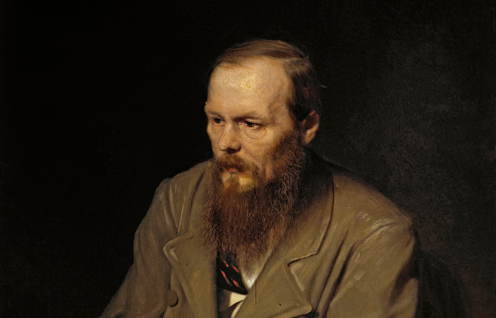
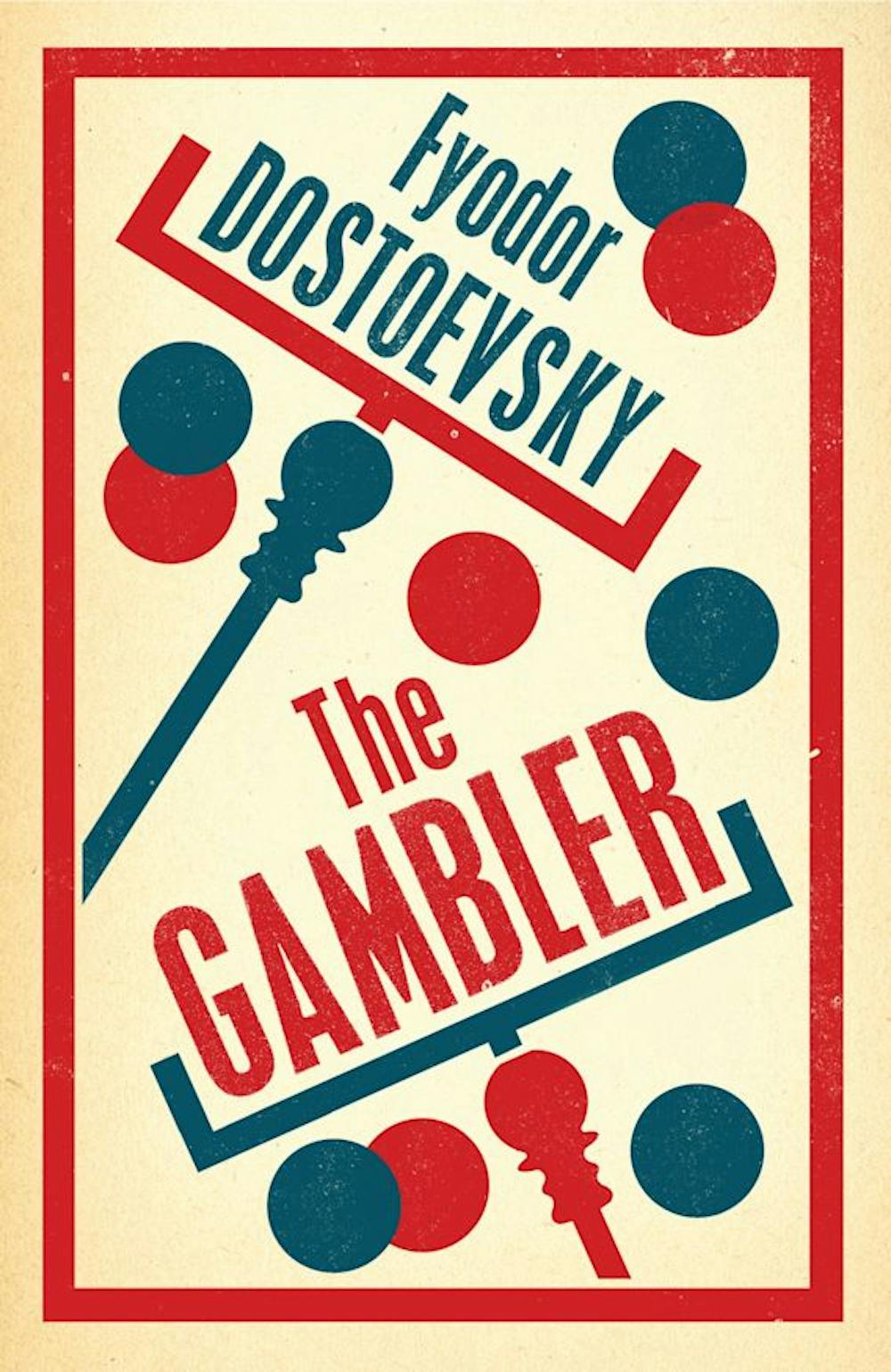
Dostoevsky had to write The Gambler in two months. He had no choice. He had accepted 3,000 roubles from a publisher named Stellovsky to keep his creditors at bay. If he failed to deliver a work of not less than ten printer’s sheets (160 pages) by November 1, 1866, Stellovsky would receive the rights and income for all of Dostoevsky’s previous and future work for nine years.
Dostoevsky broke off writing Crime and Punishment to take on the seemingly insurmountable task of completing a novel in such a sort period of time. He drew on his experience of being addicted to gambling.
His gambling mania had first seized him in 1863 on a tour of Europe, where he developed a passion for roulette. Dostoevsky soon fell into a pattern of chasing his losses, telling himself that his fortunes would change and he would redeem himself:
…one turn of the wheel, and all will be changed, and those very moralists will be the first (I am convinced of that) to come up to congratulate me with friendly jests. And they will not all turn away from me as they do now. But, hang them all! What am I now? Zero. What may I be tomorrow? Tomorrow I may rise from the dead and begin to live again! There are still the makings of a man in me.
Boundless egoism
In Crime and Punishment, an impoverished student named Rodion Raskolnikov murders an elderly pawnbroker with an axe. The reader follows his dialogue with himself until he confesses and seeks atonement for his actions.
In The Gambler, there is only a spiral downward with no landing point. Alexei Ivanovich, a tutor working for the family of a once wealthy general, initially shows no interest or desire to gamble. By the end, he is totally addicted to roulette. His character is transformed. From what Dostoevsky calls an aristocratic disinterest in winning (or losing), Alexi becomes a person with a plebeian willingness to lose his very last coin.
The “aristocratic” type gambles only for pure pleasure. The “plebeian” embraces the risk of gambling in the hope of changing his life – if only he can win big enough.
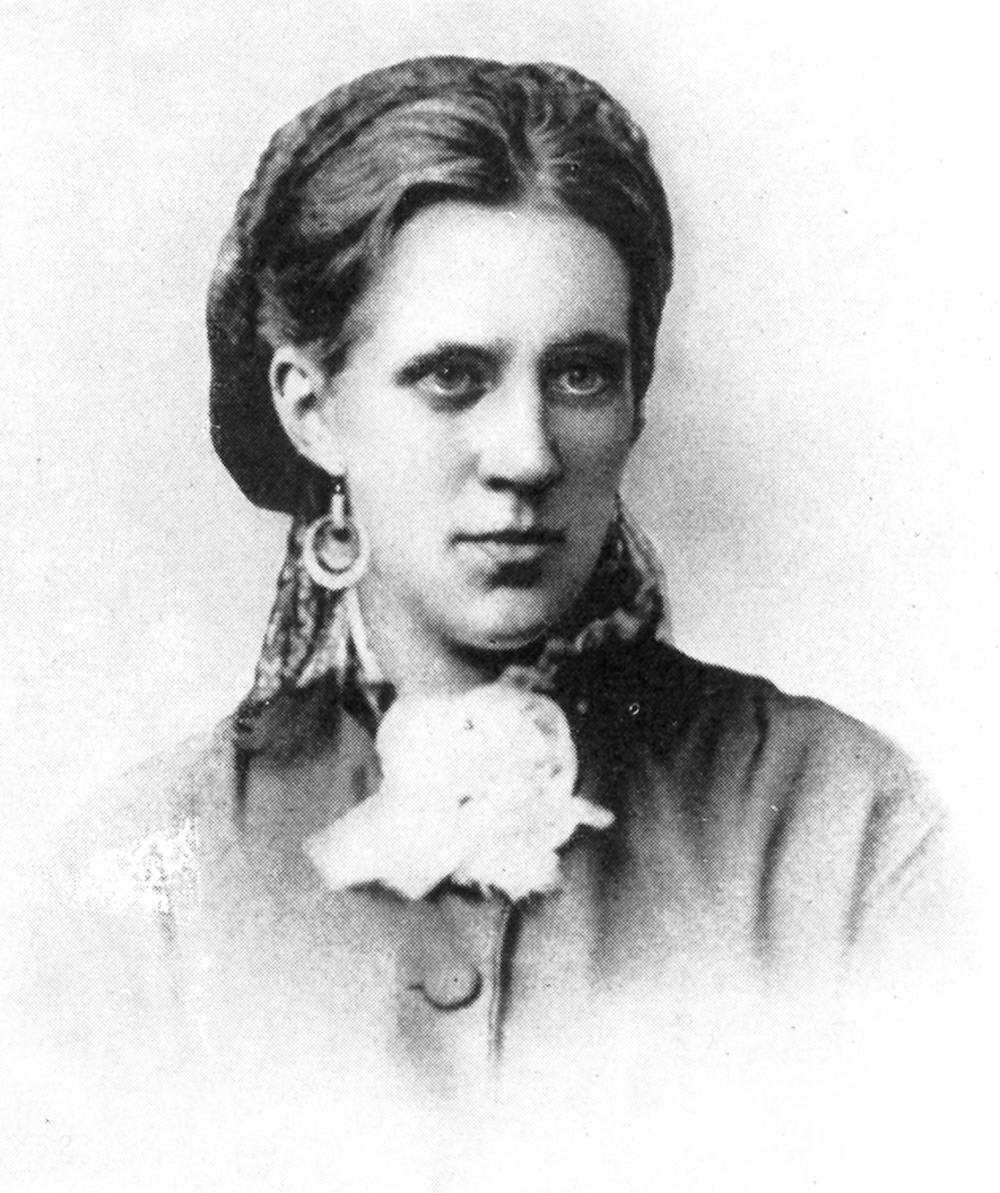 Anna Grigoryevna Dostoevsky, née Snitkin (1871).
Public domain
Eight days after having completed The Gambler, Dostoevsky proposed marriage to his stenographer, Anna Grigoryevna Snitkin. She accepted and they soon went abroad for a number of years. During this period, Dostoevsky gambled heavily, often pawning their belongings so he could gamble further. He would travel ahead to a town or resort with gaming tables, then write letters back to Anna chastising himself for losing all their money.
Anna believed Dostoevsky needed gambling as a kind of cathartic, physiological release from his daily frustrations. She felt it cleared his mind to concentrate on his writing. By all accounts, she was unsuccessful in reversing the gambling tendency in Dostoevsky. As with most gambling addicts, Dostoevsky oscillated between confessions to his wife, hope for forgiveness, and promises it will not happen again – promises he would then break.
But then, in a letter to Anna in 1871, he shares a life changing epiphany:
By half past nine I had lost everything and I fled like a madman. I felt so miserable that I rushed to see the priest (don’t get upset, I did not see him, no, I did not, nor do I intend to!) […] But I lost my way in this town and when I reached a church, which I took for a Russian church, they told me in a store that it was not Russian but a synagogue. It was as if someone had poured cold water over me. I ran back home. And now it is midnight and I am sitting and writing to you.
A great thing has happened to me: I have rid myself of the abominable delusion that has tormented me for almost 10 years. For 10 years (or, to be more precise, ever since my brother’s death, when I suddenly found myself weighted down by debts) I dreamed about winning money. I dreamt of it seriously, passionately. But now it is all over! This was the very last time.
And so it was. Dostoevsky lost all interest in gambling for good. He no longer dreamed of winning. The delusion that he might win enough to transform his life had left him as easily as it had arrived. The change in his character was permanent.
The key moment, with its many spiritual echoes was: “it was as if someone had poured cold water over me”. Worthy of comment, too, is his inability to access the familiarity and reassurance of the Russian Orthodox church. Disoriented, he arrives instead a Jewish synagogue. Arguably, it was this strangeness that made him uneasy and vulnerable to an experience, spiritual or otherwise, that had a lasting effect on his view of gambling and its personal consequences.
There is, however, another account that does not quite line up with the timeline of his cure – one that is less mysterious, but of interest nonetheless.
Gambling had been for Dostoevsky a “kind of obsession”, an experience defined by the thrill of “half-hanging over an abyss so as to peer into its very depths and – in certain, though not frequent cases – flinging oneself headlong into it”.
In 1871, Dostoevsky went abroad to Ems for a cure. He had a bronchial condition, the first symptoms of which had appeared as early as 1868. Could it be that his abandonment of gambling was related to his not being able to endure the excitement of gambling? His health had deteriorated to such an extent that he lacked the necessary physical strength; it was physiologically too much for him. Perhaps physical incapacity had a hand in his cure?
Authors: Stephen Dobson, Professor and Dean of Education and the Arts, CQUniversity Australia
Anna Grigoryevna Dostoevsky, née Snitkin (1871).
Public domain
Eight days after having completed The Gambler, Dostoevsky proposed marriage to his stenographer, Anna Grigoryevna Snitkin. She accepted and they soon went abroad for a number of years. During this period, Dostoevsky gambled heavily, often pawning their belongings so he could gamble further. He would travel ahead to a town or resort with gaming tables, then write letters back to Anna chastising himself for losing all their money.
Anna believed Dostoevsky needed gambling as a kind of cathartic, physiological release from his daily frustrations. She felt it cleared his mind to concentrate on his writing. By all accounts, she was unsuccessful in reversing the gambling tendency in Dostoevsky. As with most gambling addicts, Dostoevsky oscillated between confessions to his wife, hope for forgiveness, and promises it will not happen again – promises he would then break.
But then, in a letter to Anna in 1871, he shares a life changing epiphany:
By half past nine I had lost everything and I fled like a madman. I felt so miserable that I rushed to see the priest (don’t get upset, I did not see him, no, I did not, nor do I intend to!) […] But I lost my way in this town and when I reached a church, which I took for a Russian church, they told me in a store that it was not Russian but a synagogue. It was as if someone had poured cold water over me. I ran back home. And now it is midnight and I am sitting and writing to you.
A great thing has happened to me: I have rid myself of the abominable delusion that has tormented me for almost 10 years. For 10 years (or, to be more precise, ever since my brother’s death, when I suddenly found myself weighted down by debts) I dreamed about winning money. I dreamt of it seriously, passionately. But now it is all over! This was the very last time.
And so it was. Dostoevsky lost all interest in gambling for good. He no longer dreamed of winning. The delusion that he might win enough to transform his life had left him as easily as it had arrived. The change in his character was permanent.
The key moment, with its many spiritual echoes was: “it was as if someone had poured cold water over me”. Worthy of comment, too, is his inability to access the familiarity and reassurance of the Russian Orthodox church. Disoriented, he arrives instead a Jewish synagogue. Arguably, it was this strangeness that made him uneasy and vulnerable to an experience, spiritual or otherwise, that had a lasting effect on his view of gambling and its personal consequences.
There is, however, another account that does not quite line up with the timeline of his cure – one that is less mysterious, but of interest nonetheless.
Gambling had been for Dostoevsky a “kind of obsession”, an experience defined by the thrill of “half-hanging over an abyss so as to peer into its very depths and – in certain, though not frequent cases – flinging oneself headlong into it”.
In 1871, Dostoevsky went abroad to Ems for a cure. He had a bronchial condition, the first symptoms of which had appeared as early as 1868. Could it be that his abandonment of gambling was related to his not being able to endure the excitement of gambling? His health had deteriorated to such an extent that he lacked the necessary physical strength; it was physiologically too much for him. Perhaps physical incapacity had a hand in his cure?
Authors: Stephen Dobson, Professor and Dean of Education and the Arts, CQUniversity AustraliaRead more https://theconversation.com/how-dostoevsky-overcame-his-gambling-addiction-220655


 Daily Bulletin


