

The shadow of Raymond Chandler looms in Call Me Marlowe, an international tale seeking humanity in the darkness
- Written by: Brigid Magner, Associate Professor in Literary Studies, RMIT University
Catherine de Saint Phalle lived alone for many years in the country in France, where she published five novels and toured with controversial author Michel Houellebecq.
She came to Melbourne in 2003, where she now works as a writer, literary translator and French tutor. To acclimatise herself to Australian life, she remembers she used to follow women in the street “just to catch whiffs of their conversation”.
On Brunswick Ground (2015), the first novel she published in Australia, was triggered by the murder of Jill Meagher and the dramatic change of atmosphere she sensed in the local community. De Saint Phalle is interested in the ways individuals are socially connected to one another. As a character in On Brunswick Ground says: “We are all knitted together in a Brunswick sweater – like the knitting those women wrap around trunks and streetlights.”
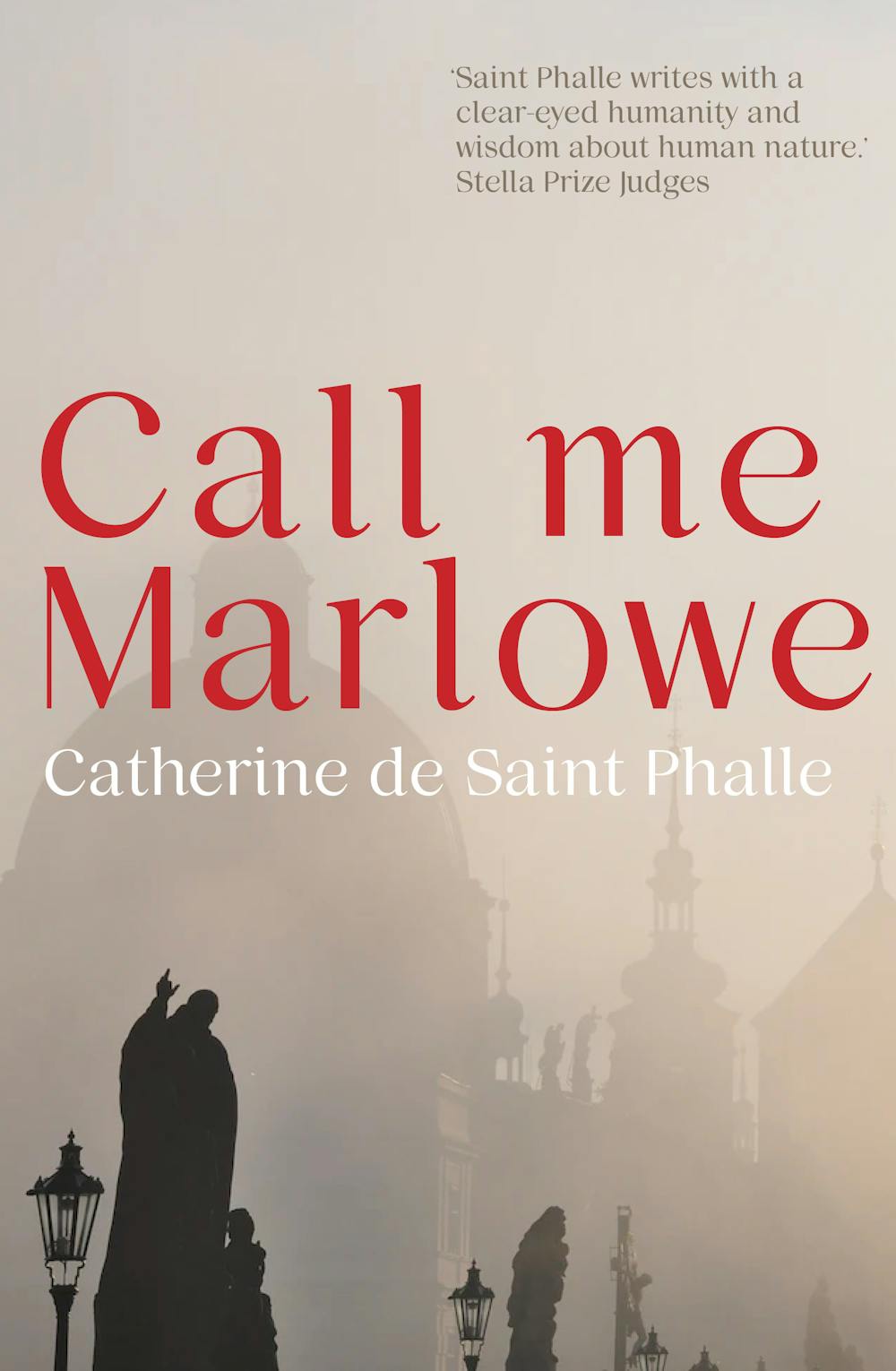
Review: Call Me Marlowe – Catherine de Saint Phalle (Transit Lounge)
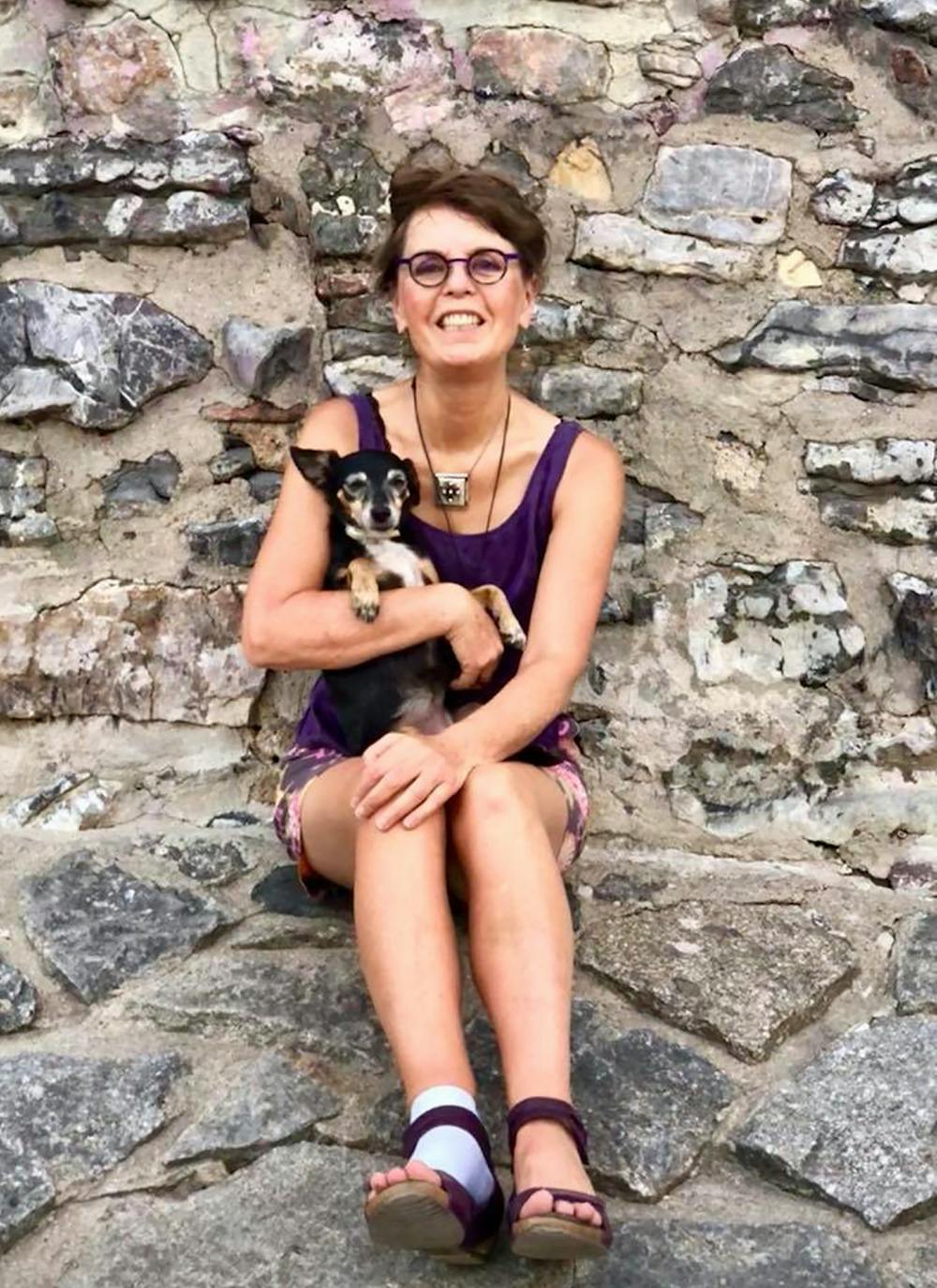 Catherine de Saint Phalle.
Transit Lounge
Back in Melbourne, Harold discovers his landlady’s ex-husband is a convicted murderer and rapist, who once occupied his first-floor room. Inhabiting the same space makes Harold and the other characters feel complicit. When his landlady, Verity, shuts her fish and chip shop to provide palliative care to her criminal ex-husband, Harold senses a “deep wrong” and an “upsurge of darkness”.
Harold initially thinks Verity “seems to absorb negativity”, while pain and sadness “melts” in Marylou’s presence. But he later checks himself, realising the criminal in their midst is triggering past traumas in Marylou.
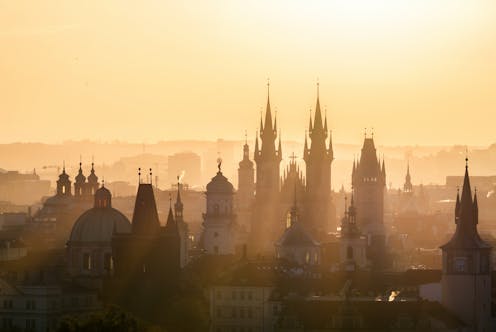
True to form, Harold flees the country when the going gets tough. In Prague, “the City of a Hundred Spires”, he meets Vacláv the chemist and an eight-year-old boy named Petr. His way is discreetly smoothed by his relative Marie, who sets him up with a job running errands for Vacláv and a room with Pete, a Czech-American bookseller.
Prague’s violent history weighs heavily on Harold. He discovers what his mother and grandmother went through, causing their migration to Australia, and he is haunted by memories of his grandmother, who brought him up. He confirms she had been badly “hurt” by men. The journey also sparks an obsession with the Czech politician Jan Masaryk, who was likely murdered by the Communist government in 1948.
Catherine de Saint Phalle.
Transit Lounge
Back in Melbourne, Harold discovers his landlady’s ex-husband is a convicted murderer and rapist, who once occupied his first-floor room. Inhabiting the same space makes Harold and the other characters feel complicit. When his landlady, Verity, shuts her fish and chip shop to provide palliative care to her criminal ex-husband, Harold senses a “deep wrong” and an “upsurge of darkness”.
Harold initially thinks Verity “seems to absorb negativity”, while pain and sadness “melts” in Marylou’s presence. But he later checks himself, realising the criminal in their midst is triggering past traumas in Marylou.
True to form, Harold flees the country when the going gets tough. In Prague, “the City of a Hundred Spires”, he meets Vacláv the chemist and an eight-year-old boy named Petr. His way is discreetly smoothed by his relative Marie, who sets him up with a job running errands for Vacláv and a room with Pete, a Czech-American bookseller.
Prague’s violent history weighs heavily on Harold. He discovers what his mother and grandmother went through, causing their migration to Australia, and he is haunted by memories of his grandmother, who brought him up. He confirms she had been badly “hurt” by men. The journey also sparks an obsession with the Czech politician Jan Masaryk, who was likely murdered by the Communist government in 1948.
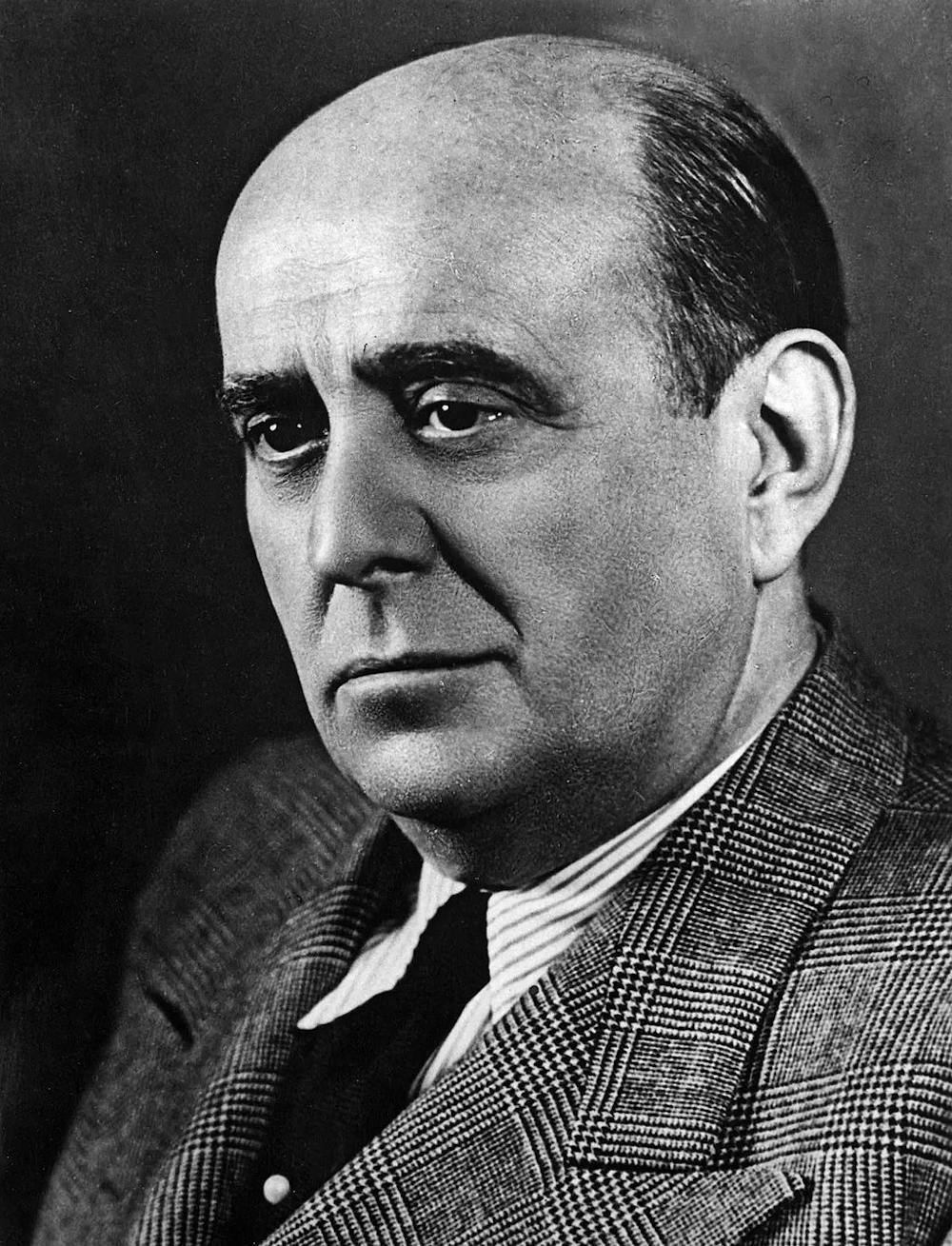 Jan Masaryk (1886-1948), Foreign Minister of Czechoslovakia, was widely believed to have been murdered.
Wikimedia Commons
Moments of empathy
The novel has a meandering pace, as the story is filtered through Harold’s interior world and his conversations with others. He is an unreliable narrator who misinterprets what he sees and hears, yet there are moments of great empathy.
The most affecting is the scene in which Harold follows young Petr home and discovers Petr’s mother has been dead for days. He watches Petr embrace his “Maminka’s” body on the couch where it is lying covered by a scarf, because the boy could not face the reality of her death.
Themes and imagery recur from previous books. De Saint Phalle is fascinated with different kinds of shipwreck:
I recognise a flotsam situation when I see one. Petr and I have both been hauled overboard, and we are both jetsam. But I’m making it my business that he become neither lagan nor derelict.
There is also an interest in human heads, which is appropriate given the novel’s cerebral focus. Harold is fascinated by corpus callosa, the bridge that links the two hemispheres of the brain, which is usually “thick” and “solid” in women and thinner in men. He dreams that his doppelganger kisses Marylou’s fontanelle. A caul is described as “an adequate word” for how Harold’s memory behaves.
De Saint Phalle’s bowerbird-like assemblage of texts is impressive, but some of the allusions feel thin and underdeveloped. At one point, Marylou reports in an email to Harold that she has been reading the work of the French playwright Jean Anouilh: “there’s something about him … that helps. He’s not an echoing worm anyway.”
When Harold considers the unfairness of the world, he says: “I think of Gitta Sereny and Alice Miller who searched for humanity in darkness and found it – eventually.” These scattered references have the effect of dragging the reader out of the narrative.
A citizen of the world, Harold offers a model for an unconventional, if chaotic, way of living. His instincts bounce him between Seoul, Prague and Melbourne. The diverse bunch of humans in his life are more important to him than where he is located:
those beings are the crux of the matter. Some fluke has made them my landscape, without them I’m a guest everywhere.
In the final portion of the book, there is a suggestion Harold will usher people into a new “found family”, possibly with the inclusion of Petr and Marylou.
De Saint Phalle’s international life experience and her unconventional upbringing, detailed in her Stella Prize-shortlisted memoir Poum and Alexandre (2016), inflects her storytelling. Call Me Marlowe is a cosmopolitan novel that pushes against borders, featuring migrants navigating urban environments with their own layered histories. It is an idiosyncratic work that challenges our preconceptions of what an Australian story might be.
Authors: Brigid Magner, Associate Professor in Literary Studies, RMIT University
Jan Masaryk (1886-1948), Foreign Minister of Czechoslovakia, was widely believed to have been murdered.
Wikimedia Commons
Moments of empathy
The novel has a meandering pace, as the story is filtered through Harold’s interior world and his conversations with others. He is an unreliable narrator who misinterprets what he sees and hears, yet there are moments of great empathy.
The most affecting is the scene in which Harold follows young Petr home and discovers Petr’s mother has been dead for days. He watches Petr embrace his “Maminka’s” body on the couch where it is lying covered by a scarf, because the boy could not face the reality of her death.
Themes and imagery recur from previous books. De Saint Phalle is fascinated with different kinds of shipwreck:
I recognise a flotsam situation when I see one. Petr and I have both been hauled overboard, and we are both jetsam. But I’m making it my business that he become neither lagan nor derelict.
There is also an interest in human heads, which is appropriate given the novel’s cerebral focus. Harold is fascinated by corpus callosa, the bridge that links the two hemispheres of the brain, which is usually “thick” and “solid” in women and thinner in men. He dreams that his doppelganger kisses Marylou’s fontanelle. A caul is described as “an adequate word” for how Harold’s memory behaves.
De Saint Phalle’s bowerbird-like assemblage of texts is impressive, but some of the allusions feel thin and underdeveloped. At one point, Marylou reports in an email to Harold that she has been reading the work of the French playwright Jean Anouilh: “there’s something about him … that helps. He’s not an echoing worm anyway.”
When Harold considers the unfairness of the world, he says: “I think of Gitta Sereny and Alice Miller who searched for humanity in darkness and found it – eventually.” These scattered references have the effect of dragging the reader out of the narrative.
A citizen of the world, Harold offers a model for an unconventional, if chaotic, way of living. His instincts bounce him between Seoul, Prague and Melbourne. The diverse bunch of humans in his life are more important to him than where he is located:
those beings are the crux of the matter. Some fluke has made them my landscape, without them I’m a guest everywhere.
In the final portion of the book, there is a suggestion Harold will usher people into a new “found family”, possibly with the inclusion of Petr and Marylou.
De Saint Phalle’s international life experience and her unconventional upbringing, detailed in her Stella Prize-shortlisted memoir Poum and Alexandre (2016), inflects her storytelling. Call Me Marlowe is a cosmopolitan novel that pushes against borders, featuring migrants navigating urban environments with their own layered histories. It is an idiosyncratic work that challenges our preconceptions of what an Australian story might be.
Authors: Brigid Magner, Associate Professor in Literary Studies, RMIT University


 Daily Bulletin


