

Wondering about ADHD, autism and your child’s development? What to know about getting a neurodevelopmental assessment
- Written by: Adam Guastella, Professor and Clinical Psychologist, Michael Crouch Chair in Child and Youth Mental Health, University of Sydney

With childcare and schools starting the new year, parents might be anxiously wondering how their child will adapt in a new learning environment. Some parents may be concerned about their child’s development or that they need specialised support.
One in five children have a developmental vulnerability when they start school. And one in ten will meet criteria for a neurodevelopmental condition, such as autism or attention deficit hyperactivity disorder (ADHD).
Getting the right assessment can be surprisingly difficult. But there are ways you can get the most out of the process.
Read more: What exactly is 'neurodiversity?' Using accurate language about disability matters in schools
Reasons for concern
Research shows a lack of support and poor educational environments can contribute to long term disadvantage for children.
Yet it can take many years to get an assessment. We recently found that, for more than 900 children attending a public developmental assessment service in Sydney, the average wait time from when parents first noticed concerns to receiving an assessment was 3.5 years.
Read more: Bedtime strategies for kids with autism and ADHD can help all families get more sleep
There are some common things caregivers notice that prompt them to consider assessment:
slowness to talk, missing communication milestones or odd ways of talking, such as repetitive phrases
a preference for solitary or repetitive play (like lining objects up repeatedly). Difficulties with reciprocal and imaginative play, eye contact and use of gestures
slowness to walk, uncoordinated movements, repetitive hand gestures or body movements, excessive tip toe walking
trouble maintaining attention (other than for special interests), excessive irritability or hyperactivity
difficulties with learning or taking on new information
persistent challenging behaviours and distress
extreme picky eating and severe sleep problems.
If you are concerned, the first step is to speak to an early childhood nurse or general practitioner about your concerns. They may refer your child for a hearing and vision test first. A developmental specialist is usually next, such as a paediatrician, psychologist, occupational therapist, speech therapist, or social worker.

Read more: How to talk to your child about their autism diagnosis – the earlier the better
What assessment is not
Assessment is not about identifying something that is wrong with your child, but determining what supports might be needed to help them reach their potential.
Children might have a specific delay that will respond to a specific intervention. A smaller proportion of children may have a more complex developmental condition requiring comprehensive assessment and management. Some common neurodevelopmental needs are addressed by national guidelines for assessment and support for ADHD and autism. They can be helpful for caregivers, educators and clinicians to understand evidence-based practices.
Up to 80% of children who have one neurodevelopmental condition will have multiple conditions requiring support. These children are also at a higher risk of other medical conditions, such as genetic conditions, epilepsy, skin conditions, allergies and asthma.
That’s why multidisciplinary assessment teams, consisting of professionals with different expertise, are often recommended. In the private sector, families may need to navigate several costly specialist appointments. Multidisciplinary assessment teams in the public sector can coordinate assessment in a matter of days, but waiting lists are long.
How to prepare for assessment
Caregivers know their children best and your input during the assessment is crucial. Bring school reports or doctor referrals to help the service understand your child better.
In the days before assessment, complete any questionnaires and explain what’s happening so your child knows what to expect. Some services have resources for this, including pictures and videos.
On the day, let the service know if your child is behaving very differently to usual or is stressed about any recent social or family changes.
Let the service know if there is a favourite activity for your child to play or whether there are any triggers that may cause them distress or to run away. Bring a favourite toy, snacks or activity with you if that helps make your child feel comfortable.
Once the assessment is complete, you will be given a clinical report of outcomes. In our recent study we evaluated 85 reports from one developmental assessment service. We found the report could not easily address all of the child’s needs. We also found reports were often too complex for many caregivers to understand and they would likely need further explanation and guidance.
While reports focused on developmental needs (speech, diagnosis, motor and cognitive development), they were less likely to investigate challenging behaviours, mental health concerns or broader family needs. So it is very important you understand what further assessment might be needed after this process.
How to get the most out of assessment
discuss your child’s support needs with the service and make notes about these conversations
don’t be afraid to ask questions and check how to ask follow up questions of the service. Better understanding will increase the likelihood your child will benefit
ask if a repeat assessment is required and when
communicate reports to any key professionals involved in your child’s care. Discussions between assessors and learning support teams in schools are particularly encouraged and should focus on practical supports for your child as they grow
follow up with your health professional or service to ensure recommendations are being implemented.
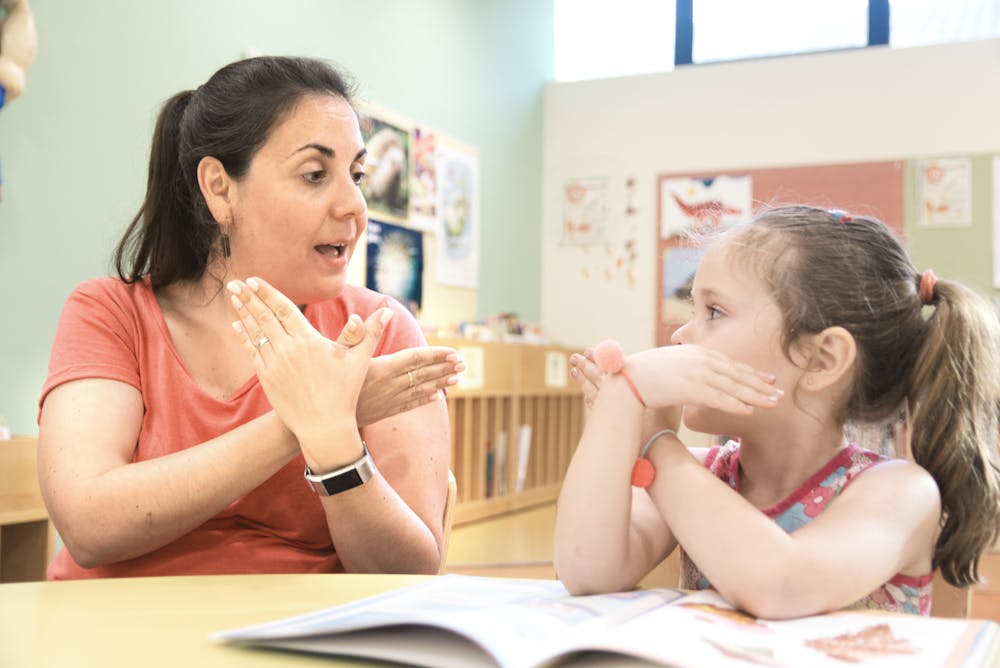 Communicating assessment findings with your school support team is encouraged.
Shutterstock
Communicating assessment findings with your school support team is encouraged.
Shutterstock
The disconnect between assessment and support
A frequent frustration for parents is the disjointed relationship between assessment and support. After waiting years to receive a developmental assessment, families are often left waiting years longer for services to support child needs.
Access must be improved, particularly for families from disadvantaged backgrounds who are more reliant on public services. Our research shows that these families who need the support, with lowest education and financial resources, are waiting the longest to get what their child needs.
Two years ago, the Mental Health Commission recommended the establishment of regional and urban hubs where families could get developmental, medical and mental health assessments completed in one place. A small number of hubs will be announced soon. Unless these are linked to immediate support and interventions, however, we will continue to see longer wait lists and frustration for families.
The authors wish to acknowledge the contributions to this article by Angela Papanicolaou, who is a researcher and senior social worker within the Child Development Unit, Sydney Children’s Hospital Network.
Authors: Adam Guastella, Professor and Clinical Psychologist, Michael Crouch Chair in Child and Youth Mental Health, University of Sydney


 Daily Bulletin


