

What makes kids want to drop out of sport, and how should parents respond?
- Written by: Cassy Dittman, Lecturer/Head of Course (Undergraduate Psychology), CQUniversity Australia
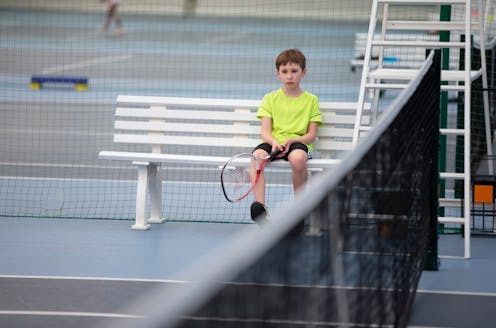
The new year often means a new season of kids’ sports. Many families may be pondering whether to commit to another season or discovering their child is now saying they’d like to quit their usual sport.
My husband and I faced this dilemma last year when our nine-year-old wanted to quit Nippers (junior surf lifesaving). This followed a season of high emotion, where we faced weekly “drop-off dread”, only to have him happily bounce over to us after training, full of smiles and stories.
Given the vast body of research showing the benefit of organised sport for children (more on that later), it’s not always easy for parents to instantly agree when their child wants to quit.
So what does the research tell us about why kids drop out of sport and how might parents respond?
Read more: Is netball actually bad for knees and ankles? What does the research say?
Why do children drop out from sport?
Participation rates in organised sport tend to peak towards the end of primary school, and there is significant decline in participation across adolescence.
Reasons for dropping out of a sport in adolescence include a focus on one sport over others or prioritising involvement in other activities (such as school work, jobs or socialising).
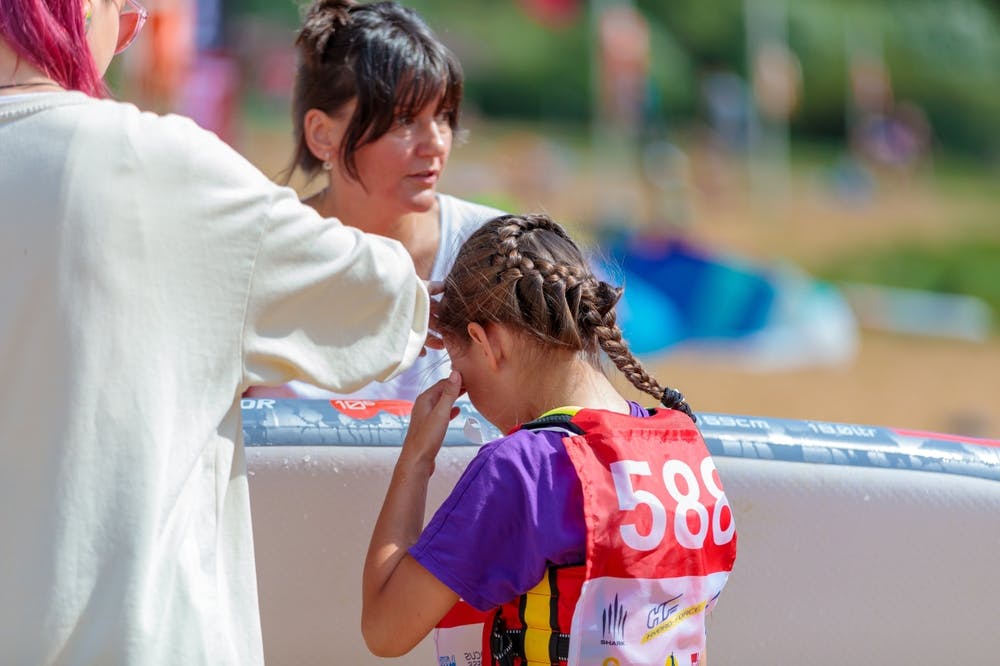
One of the major factors influencing children’s decision to quit sport is pressure from others (parents, coaches and peers).
 Sport can build teamwork and resilience skills.
Photo by Pixabay, CC BY
Sport can build teamwork and resilience skills.
Photo by Pixabay, CC BY
Adult expectations, attitudes and behaviours can unintentionally sour children’s experiences of sport. This pressure can come in many forms, including unrealistically high expectations, a focus on winning, heated post-match debriefings, and critical comments.
Perceived pressure from adults relates to some of the main reasons children give for dropping out of sport: not having fun, being bored, or feeling they’re not good enough at it.
What are the benefits of sport for children?
When your child says they want to quit their sport, reflect on what’s at stake, and perhaps even discuss it with them.
As well as promoting health and fitness, organised sport builds developmental skills and competencies in young people.
Many parents see critical life skills – such as teamwork, resilience, dealing with frustration and disappointment, resolving conflicts and goal setting – as a major reason to enrol their children in sport.
Sport can also promote social connectedness for children and their families, contributing to a sense of belonging and social identity.
Our research with parents of Australian junior rugby league players suggests this might be particularly the case for Indigenous parents.
This social connectedness from sport can promote children’s mental health, helping protect against issues like anxiety and depression.
One longitudinal Australian study found children who drop out of sport between eight and ten years are at greater risk for social and emotional problems compared to those who continue in sport.
What can parents do when a child wants to quit?
There are no easy answers and the response will be shaped by factors unique to the child and their situation. But here are some strategies:
1. Talk to your child
Ask them what they don’t like about the sport. Is there anything that would need to change for them to continue? Would switching teams or dropping down a division make a difference?
You could try testing out the sport again, and agree to review things after a month.
Ask what they do like about the sport. This helps shift their thinking to what’s fun about it and what they might miss if they quit.
If your child can’t name anything they like, this might be the red flag you need that this sport isn’t for them.
2. Reflect on your own behaviour.
Think about your own hopes and expectations. Is it possible you’re putting too much pressure on your child?
Let your child know they can be open with you if they feel you’re pressuring them. You might need to work with your partner or other adults in the child’s life to come up with a plan to temper your expectations or behaviour around children’s sport.
 Is it possible you’re putting too much pressure on your child?
Shutterstock
Is it possible you’re putting too much pressure on your child?
Shutterstock
3. Consider other options.
Every child is different. Some thrive on competition and performance, others find it anxiety-provoking and distressing. Others don’t much care if they win or lose.
Most children, though, enjoy personal accomplishment and the opportunity sport provides to challenge themselves and improve skills.
So, if the old sport isn’t working out for your child, consider looking for something different. Many activities build fitness and a sense of accomplishment but don’t necessarily involve competition.
For example, our local gymnastic club runs “NinjaZone” classes that challenge children to use their strength and agility to complete obstacle courses. My nine-year-old loves it.
Kicking off a new sports season provides an opportunity to reflect on the past and on how you can help your child have a positive sporting experience.
After all, the long-term goal is for our children to build a lifelong enjoyment of physical activity so they can bring the physical health, mental health and social benefits into adulthood.
Authors: Cassy Dittman, Lecturer/Head of Course (Undergraduate Psychology), CQUniversity Australia


 Daily Bulletin


