

3 things a climate scientist wants world leaders to know ahead of COP27
- Written by: Andrew King, Senior Lecturer in Climate Science, The University of Melbourne
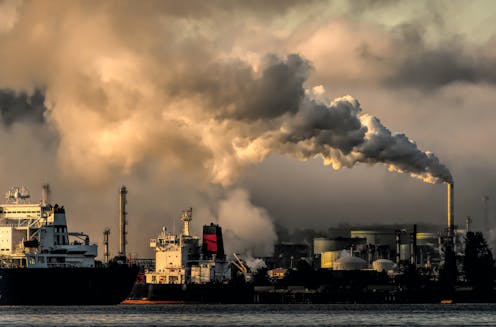
World leaders and climate experts are gathering for pivotal United Nations climate change talks in Egypt. Known as COP27, the conference will aim to put Earth on a path to net-zero emissions and keep global warming well below 2℃ this century.
The world must rapidly decarbonise to avoid the most dangerous climate change harms. World leaders know this. But that knowledge must urgently turn into concrete commitments and plans.
If humanity continues on its current path, we’re going to leave a hotter, deadlier world for the children of today and all future generations.
Earth desperately needs COP27 to succeed. I’m a climate scientist and I believe world leaders should have these three things top-of-mind heading into the conference.
1. Our planet is undeniably in crisis
So far, Earth has warmed just over 1℃ relative to pre-industrial levels, meaning we’ve already damaged the climate system. Our greenhouse gas emissions have already caused sea level to rise, sea ice to shrink and the ocean to become more acidic.
Extreme events in recent years – particularly heatwaves – have the fingerprints of climate change all over them. The record-smashing heat in western North America in 2021 saw massive wildfires and straining infrastructure. And earlier this year, temperatures in the United Kingdom reached a deadly 40℃ for the first time on record.
The ocean, too, has suffered a succession of marine heatwaves that have bleached coral reefs and reduced the diversity of species they host. Heatwaves will worsen as long as we keep warming the planet.
Frighteningly, we risk tipping the climate into a dangerous new regime bringing even worse consequences. Research from September finds we’re on the brink of passing five major climate “tipping points”, such as the collapse of Greenland’s ice-sheet. Passing these points will lock the planet into continuing damage to the climate, even if all greenhouse gas emissions cease.
Human health is also on the line. Research last month revealed the climate crisis is undermining public health through, for instance, greater spread of infectious diseases, air pollution and food shortages.
Among its disturbing findings, heat-related deaths in babies under a year old, and adults over 65, increased by 68% in 2017-2021, compared to 2000-2004.
Future generations cannot afford our dithering on action to reduce emissions.
Read more: The UK just hit 40℃ for the first time. It's a stark reminder of the deadly heat awaiting Australia
2. Emissions reduction is too slow
Some countries, particularly in Europe, are succeeding in reducing greenhouse gas emissions through transitioning to renewable energy.
But globally it’s not happening fast enough. A UN report this week found if nations deliver on their climate action goals for 2030, Earth will still heat by about 2.5℃ this century - overshooting the Paris Agreement goal to keep global warming well below 2℃.
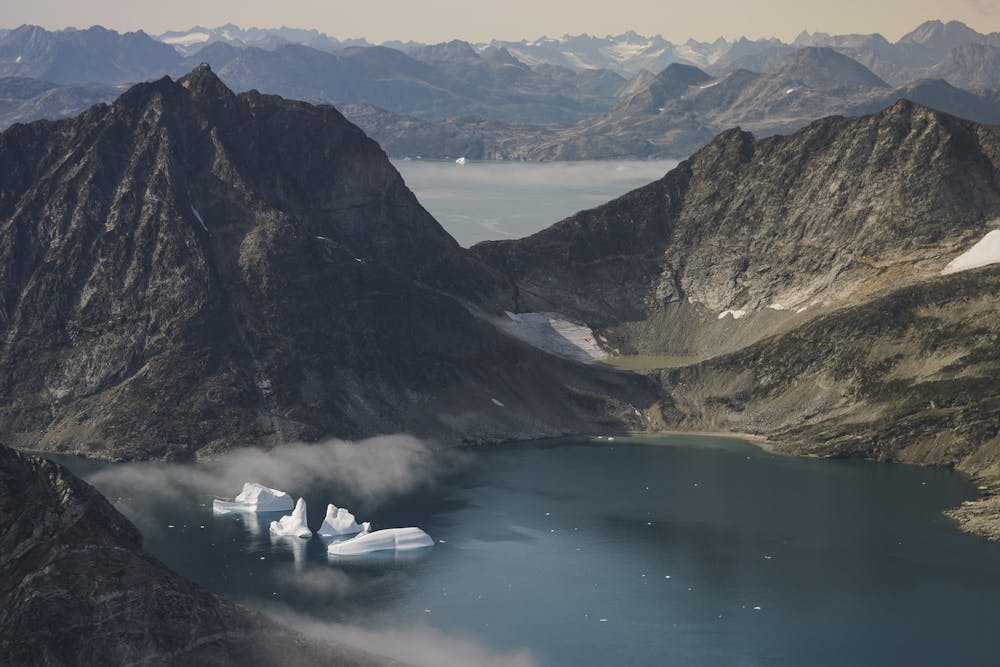
Such warming would be disastrous, especially in poorer parts of the world that have contributed little to global emissions.
For decades, the world has talked about reducing carbon dioxide emissions. But annual global emissions have risen by over 50% in my lifetime, and since the first COP back in 1992. The UN warns there’s still “no credible pathway” to limiting warming to 1.5℃.
Until we reach close to net-zero emissions, the amount of CO₂ in our atmosphere will rise and the planet will warm. At our current rate, we are warming the planet by about 0.2℃ every decade.
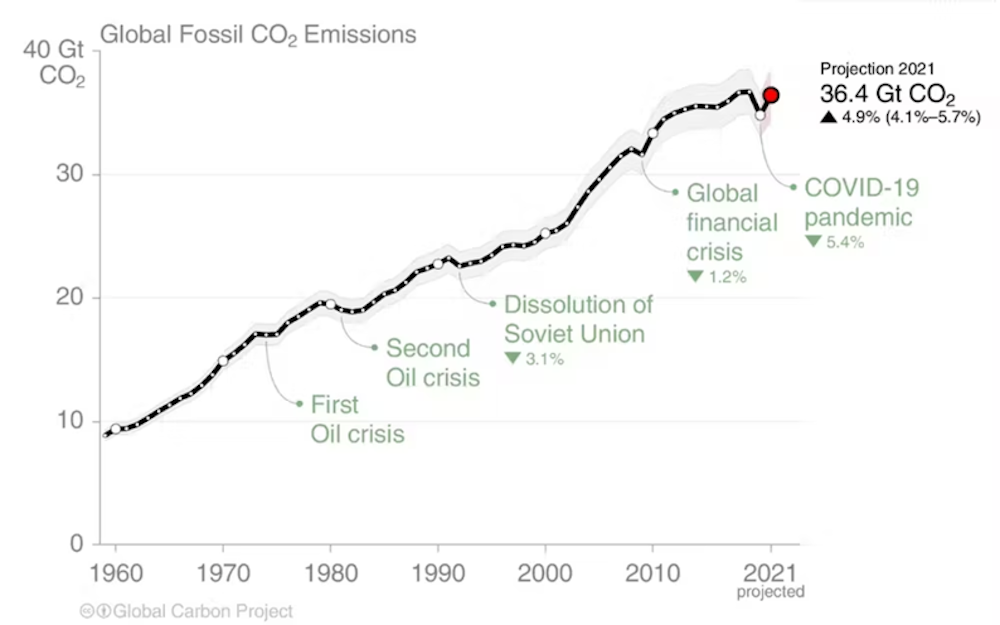 Global carbon dioxide emissions remain at close to record highs and have roughly quadrupled since 1960.
Global Carbon Project
Global carbon dioxide emissions remain at close to record highs and have roughly quadrupled since 1960.
Global Carbon Project
3. The stalling must end
With so many challenges facing the world, including the Russian invasion of Ukraine and the cost of living crisis, it may be tempting to view climate change as a problem that can wait. This would be a terrible idea.
Climate change will get only worse. Every year of delay makes it much harder to prevent the most dangerous climate projections becoming a reality.
Only concerted efforts from all nations will avoid destroying our most sensitive ecosystems, such as coral reefs. We should be doing everything we can to stop this by transitioning away from fossil fuels. Any new fossil fuel development is just making the problem worse and will cost humanity and the environment far more in future.
And yet, the International Energy Agency last week projected that the net income for oil and gas producers will double in 2022 “to an unprecedented US$4 trillion”, a $2 trillion windfall.
We can’t, as climate activist Greta Thunberg put it, just have more “blah, blah, blah” from world leaders at COP27 - we need concrete action to reduce greenhouse gas emissions.
What now?
COP27 must lead to a rapid transition away from fossil fuels, including no new fossil fuel developments, and more support for countries dealing with the biggest climate change impacts. We must be on a credible path to reach global net-zero emissions within the next few decades.
The lack of progress at past global climate talks means I’m not optimistic that COP27 will achieve what’s needed. But I hope world leaders will prove me wrong and not let their nations down.
Read more: Lula's victory in Brazil comes just in time to save the Amazon – can he do it?
Authors: Andrew King, Senior Lecturer in Climate Science, The University of Melbourne


 Daily Bulletin


