

Be kind: GP receptionists are taking the heat with every policy update during COVID, vaccines included
- Written by: Lauren Ball, Associate Professor/ Principal Research Fellow, Griffith University
Phones are ringing off the hook at GP clinics with people desperate to know when and how they can be vaccinated against COVID-19.
Every time there is a change in recommendations or advice, medical receptions field calls from concerned people trying to book in to talk to a GP or to cancel bookings. This is on top of supporting patients and juggling the extra workload required to perform COVID-19 triage, screening and telehealth.
GPs and practice nurses are considered central and front line in Australia’s primary care COVID-19 response. However, GP receptionists are one step in front.
Their role has changed considerably during the pandemic, taking on functions and learning new skills no-one planned for. We must not forget them and the stressful work they do.
All in a day’s work
Medical receptionists are an integral part of general practice teams and GP clinics would be challenged to exist without them. Doctors, nurses and other staff rely on medical receptionists to create a friendly, welcoming and well-organised front-of-clinic for patients.
Some people assume medical receptionists “just” answer phone calls, notify doctors when patients have arrived and make follow-up appointments. But this not only understates their true impact and influence on our health system, it does not acknowledge the challenges and pressures of their work.
Read more: How can younger Australians decide about the AstraZeneca vaccine? A GP explains
Long before the pandemic, medical receptionists were increasingly undertaking clinical duties, performing tasks involving direct patient assessment, monitoring and therapy.
Medical receptionists were typically in this situation because of a lack of financial support for practice nurses. But, given receptionists are not trained health professionals and are continuously handling confidential information about patients, there’s the risk they may be held legally liable for making a mistake.
Then came the pandemic
The role of medical receptionists has profoundly changed due to the pandemic, though they have not being included in pandemic planning.
The Royal Australian College of General Practitioners has said many receptionists have been providing health and safety advice to patients and the wider community.
They are routinely asking patients questions about their travel history and symptoms, and monitoring body temperature to assess the risk of a patient being infected with COVID-19, despite not being trained to make clinical decisions.
They are increasingly performing basic triage over the phone and at the front desk, essentially assessing “how sick” a patient is and how timely their care needs to be.
Particularly during the pandemic, it is usually their decision whether a patient is granted a face-to-face appointment, seen in their car, placed in an isolation room for their consultation, or asked to go to the hospital instead.
Medical receptionists are also relied on for technical support for telehealth and to train clinicians and patients to use it.
Deciding if a patient is suitable for telehealth alone requires a basic understanding of what the doctor might need. We wouldn’t expect any medically untrained person to make these decisions, yet we expect our receptionists to.
Read more: View from The Hill: Scott Morrison's AstraZeneca 'hand grenade' turns into cluster bomb
No wonder it’s stressful
Medical receptionists are rightly concerned about contracting COVID-19 as they are so close to unwell patients in the waiting room.
Threats of violence from frightened patients are also now a reality. And when a patient has not been booked in correctly, or worse, when a patient enters a consultation room showing COVID-19 symptoms, they cop dissatisfaction from clinicians and patients alike.
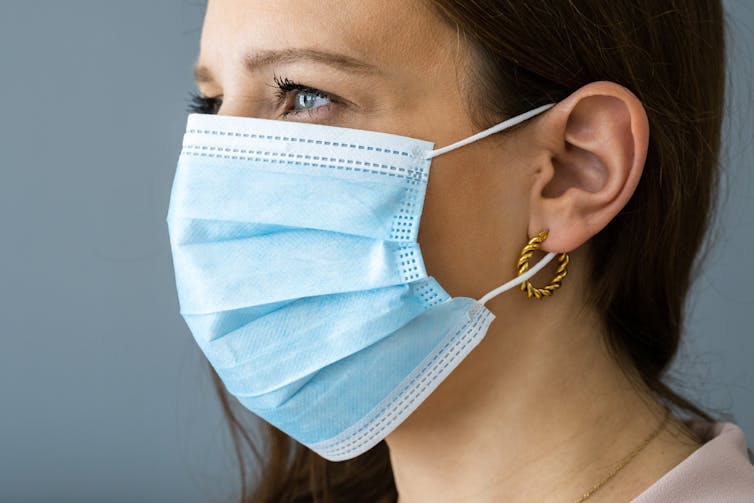 Working as a medical receptionist in a pandemic can take its toll.
from www.shutterstock.com
Working as a medical receptionist in a pandemic can take its toll.
from www.shutterstock.com
The emotional demand on medical receptionists is also very high. Supporting clinical teams and their personal feelings and expressions is now part of the job, as well as advocating for, and empathising with patients.
They do all this for an average A$23.96 an hour, much less than administrative or secretary work outside the health-care sector.
Training and support are critical
There is no required qualification to become a medical receptionist. However, courses such as a Certificate III in Business Administration or Certificate IV in Health Administration are recommended. Truthfully, no training exists to equip medical receptionists for the additional pressures of the coronavirus pandemic.
Informal tips are circulating about how practice owners can support staff to avoid burnout, and also how medical receptionists can enhance their clinical and triage work.
Unfortunately, current tips and training do not address the fundamental problem of medical receptionists not being recognised, trained or paid accordingly for their growing clinical, management and administrative work.
Get vaccinated, be kind
GP clinics still play a vital role in getting Australians vaccinated and helping us emerge from the pandemic. That’s on top of their existing role.
Receptionists are at the front line of this pandemic, changing what they do at a moment’s notice to keep the rest of their teams and community safe. Their many hardships are well overdue for our respect and recognition.
Tracey Johnson, CEO of Inala Primary Care, a large GP clinic and charity in Queensland, contributed to this article.
Authors: Lauren Ball, Associate Professor/ Principal Research Fellow, Griffith University


 Daily Bulletin


