Friday essay: trees have many stories to tell. Is this our last chance to read them?
- Written by: Gregory Moore, Doctor of Botany, The University of Melbourne
As tree scientist, I am fascinated by the magnificent biology of trees. I also find it enthralling and encouraging that trees are being appreciated by writers around the world right now.
Three fresh books (chosen from a wider field of titles on the topic) exemplify how trees can be written about as more than just background or an incidental part of a landscape, but as integral to meaning.
My Forests: Travel with Trees by Janine Burke, The Heartbeat of Trees by Peter Wohlleben, and Tree Story, a collection curated by Charlotte Day and Brian Martin — are mixed in style and content. But all make clear the close relationships between people and trees and the vital importance of those connections.
It is not surprising that at a time of significant climate change, where natural ecosystems around the world are being devastated and after 18 months of a global pandemic, books on trees are proving popular.
There is an air of desperation in these three titles. Things are changing fast, trees and forests grow slowly, we are wasting time.
Hardy annuals
 Abe Books
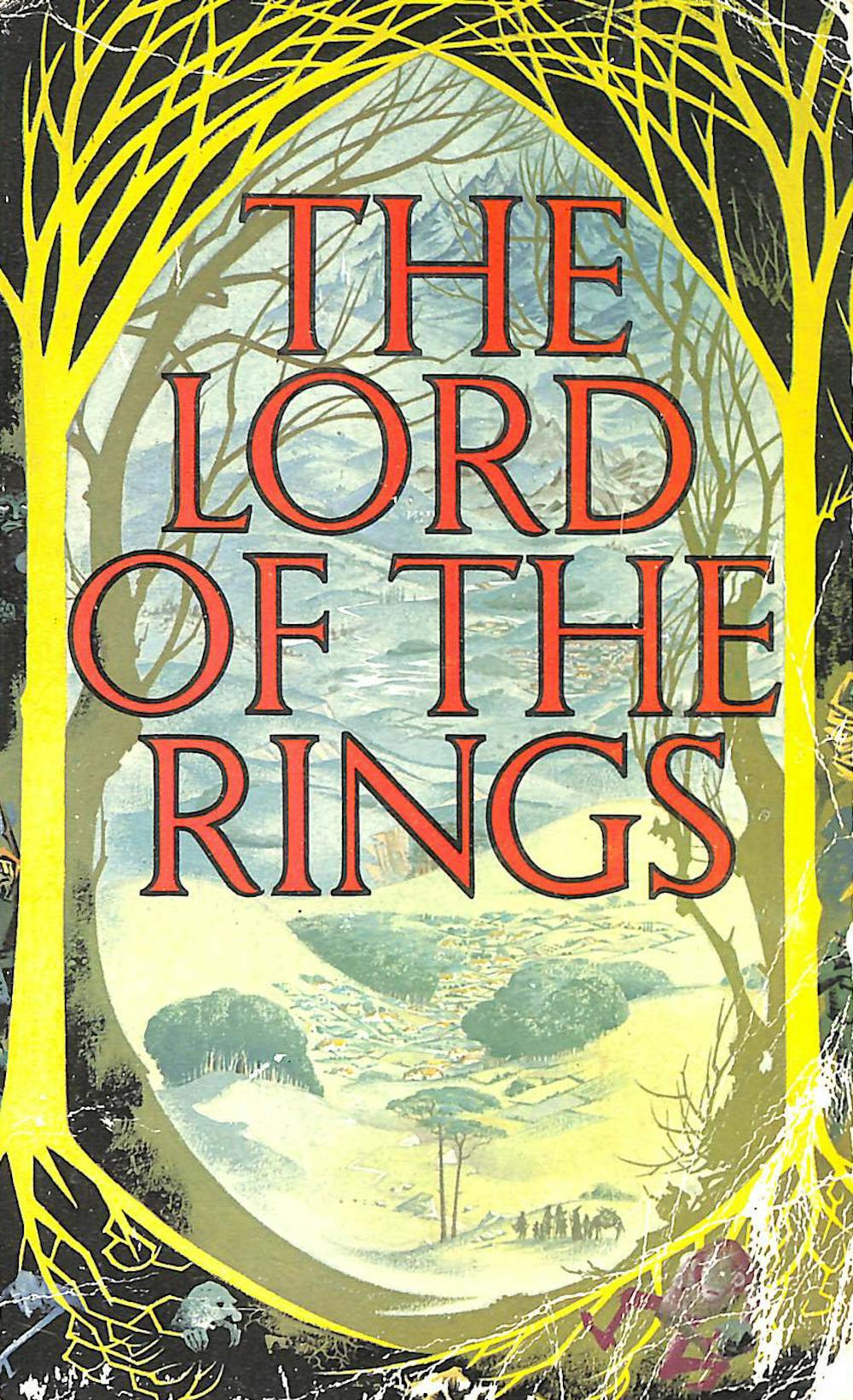
Books about trees are published every year. Some are beautifully illustrated with photos or hand-drawn images of special trees in large coffee table formats. Some, like J. R. R. Tolkien’s Lord of the Rings, have trees and forests as characters. Tolkien told a fan that his magnificent Ents were “either souls sent to inhabit trees, or else were folk who slowly took the likeness of trees owing to their inborn love of trees”.
Tolkien’s writing, including a story collection called Tree and Leaf, reminds us of the differences between tree time and human time — we humans are hasty folk. This is something I dwell upon often.
The Magic Faraway Tree by Enid Blyton was one of the first books I can recall reading where a tree played a major role and it helped set me on a path of lifelong reading and interest in botany.
That childhood favourite connects to Richard Powers’ The Overstory, which draws together a disparate fictional band of tree protectors. After his book became a hit, Powers recommended 26 other titles for tree-loving readers.
This library of tree books has served a wide and varied readership well and sustained those of us who despair at the wholesale clearing of forests and trees in our cities and suburbs.
Read more:
Friday essay: how many climate crisis books will it take to save the planet?
Legacies lost
In most Australian cities we are losing trees and canopy cover at a rate of about 1-1.5% per year. I’m still saddened by the loss of a lemon scented gum (Corymbia citriodora) that grew at the city end of the Tullamarine Freeway in Melbourne. I miss its shade in summer but also the delicious scent that wafted through the car window at certain times of the year.
In October last year, protesters mourned a sacred 350-year-old Djab Wurrung Directions Tree, cut down along Victoria’s Western Highway.
Read more:
An open letter from 1,200 Australian academics on the Djab Wurrung trees
There has been a growing disconnect between people and trees and vegetated spaces, particularly for those living in cities. Many people have become so focused on urban survival they have become distanced from the essential and intimate dependence that human beings have on plant life.
Earth as we know it, and the lifeforms it sustains, depend upon and have been shaped by plants and their evolution. Human beings can only survive on our planet because of the ecosystems made possible by plants and trees. If these systems are put in jeopardy because people fail to appreciate the importance of plants, then entire ecosystems are put in peril with profound consequences for humankind.
Climate change is giving us a glimpse of how these important relationships are affected by bushfires, stronger winds from unusual directions and more frequent storms with heavy rainfall that can lead of the loss of grand old trees that have stood as silent sentinels for decades and centuries.
Abe Books
Books about trees are published every year. Some are beautifully illustrated with photos or hand-drawn images of special trees in large coffee table formats. Some, like J. R. R. Tolkien’s Lord of the Rings, have trees and forests as characters. Tolkien told a fan that his magnificent Ents were “either souls sent to inhabit trees, or else were folk who slowly took the likeness of trees owing to their inborn love of trees”.
Tolkien’s writing, including a story collection called Tree and Leaf, reminds us of the differences between tree time and human time — we humans are hasty folk. This is something I dwell upon often.
The Magic Faraway Tree by Enid Blyton was one of the first books I can recall reading where a tree played a major role and it helped set me on a path of lifelong reading and interest in botany.
That childhood favourite connects to Richard Powers’ The Overstory, which draws together a disparate fictional band of tree protectors. After his book became a hit, Powers recommended 26 other titles for tree-loving readers.
This library of tree books has served a wide and varied readership well and sustained those of us who despair at the wholesale clearing of forests and trees in our cities and suburbs.
Read more:
Friday essay: how many climate crisis books will it take to save the planet?
Legacies lost
In most Australian cities we are losing trees and canopy cover at a rate of about 1-1.5% per year. I’m still saddened by the loss of a lemon scented gum (Corymbia citriodora) that grew at the city end of the Tullamarine Freeway in Melbourne. I miss its shade in summer but also the delicious scent that wafted through the car window at certain times of the year.
In October last year, protesters mourned a sacred 350-year-old Djab Wurrung Directions Tree, cut down along Victoria’s Western Highway.
Read more:
An open letter from 1,200 Australian academics on the Djab Wurrung trees
There has been a growing disconnect between people and trees and vegetated spaces, particularly for those living in cities. Many people have become so focused on urban survival they have become distanced from the essential and intimate dependence that human beings have on plant life.
Earth as we know it, and the lifeforms it sustains, depend upon and have been shaped by plants and their evolution. Human beings can only survive on our planet because of the ecosystems made possible by plants and trees. If these systems are put in jeopardy because people fail to appreciate the importance of plants, then entire ecosystems are put in peril with profound consequences for humankind.
Climate change is giving us a glimpse of how these important relationships are affected by bushfires, stronger winds from unusual directions and more frequent storms with heavy rainfall that can lead of the loss of grand old trees that have stood as silent sentinels for decades and centuries.
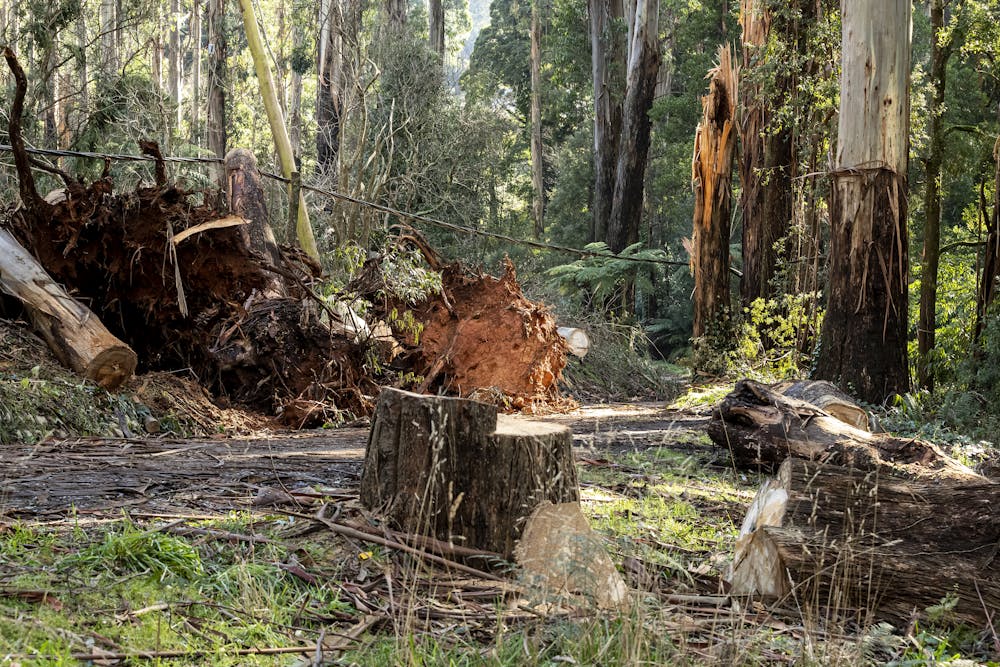 Fallen trees in Kalorama, Melbourne this month.
AAP Image/Daniel Pockett
All plants in an ecosystem are important to its function, but the large size and long lives of trees explain why they are often focused upon as representatives of their communities. Their size makes them obvious and contributes to the ambience of any landscape, but can also inspire a sense of awe and in some urban-dwellers, fear.
Their long life spans provide a sense of certainly and continuity in uncertain times of rapid change — their presence can link several human generations, when other connections have been lost. They also provide a tangible prospect, if they are left alone or are properly managed, for links to future generations. All of this can be very reassuring for people who feel vulnerable and oppressed by rapid change.
Read more:
An act of God, or just bad management? Why trees fall and how to prevent it
A fresh crop
All three of the new books selected tend to anthropomorphise trees and aspects of their biology, attributing to them distinctly human qualities. Sometimes they are described by a mood, such as an upbeat growth in spring or by a willingness to share resources with other species. While this may be annoying to some scientists, it allows many people to relate or even identify more closely with trees, especially when there is complex biology and ecology involved.
Fallen trees in Kalorama, Melbourne this month.
AAP Image/Daniel Pockett
All plants in an ecosystem are important to its function, but the large size and long lives of trees explain why they are often focused upon as representatives of their communities. Their size makes them obvious and contributes to the ambience of any landscape, but can also inspire a sense of awe and in some urban-dwellers, fear.
Their long life spans provide a sense of certainly and continuity in uncertain times of rapid change — their presence can link several human generations, when other connections have been lost. They also provide a tangible prospect, if they are left alone or are properly managed, for links to future generations. All of this can be very reassuring for people who feel vulnerable and oppressed by rapid change.
Read more:
An act of God, or just bad management? Why trees fall and how to prevent it
A fresh crop
All three of the new books selected tend to anthropomorphise trees and aspects of their biology, attributing to them distinctly human qualities. Sometimes they are described by a mood, such as an upbeat growth in spring or by a willingness to share resources with other species. While this may be annoying to some scientists, it allows many people to relate or even identify more closely with trees, especially when there is complex biology and ecology involved.
 Black Inc.
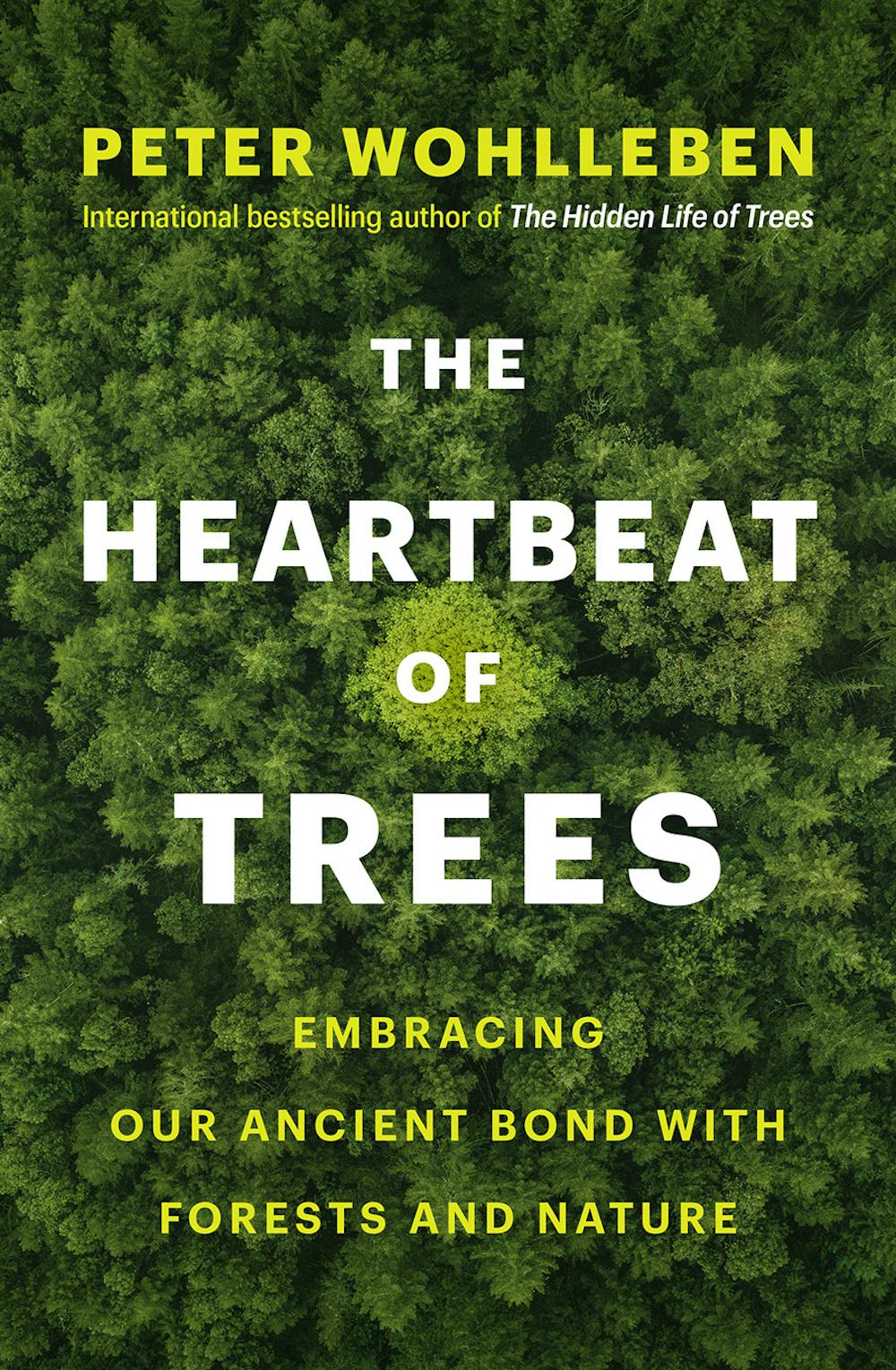
Peter Wohlleben’s bestselling 2016 book The Hidden life of Trees, took readers on a voyage of discovery with a blend of science, philosophy and spiritualism.
Like that first book, his latest — The Heartbeat of Trees — can be enthralling and annoying almost in equal measure. But the author clearly relates the importance of using our senses when we are in forests to explore the complexity of tree biology. By doing so not only will we achieve a better understanding of trees, but also of ourselves and the importance of trees and vegetated places for human development, our physical and mental health and the sustainability of our societies. It will surely resonate strongly with readers after the pandemic lockdowns of the past year, which saw people flocking to parks, gardens and forests.
Black Inc.
Peter Wohlleben’s bestselling 2016 book The Hidden life of Trees, took readers on a voyage of discovery with a blend of science, philosophy and spiritualism.
Like that first book, his latest — The Heartbeat of Trees — can be enthralling and annoying almost in equal measure. But the author clearly relates the importance of using our senses when we are in forests to explore the complexity of tree biology. By doing so not only will we achieve a better understanding of trees, but also of ourselves and the importance of trees and vegetated places for human development, our physical and mental health and the sustainability of our societies. It will surely resonate strongly with readers after the pandemic lockdowns of the past year, which saw people flocking to parks, gardens and forests.
 MUP
A personal and professional travelogue woven together by trees is the framework of My Forests: Travel with Trees, by Janine Burke. As an art historian Burke weaves her own experiences with trees with those depicted in paintings, ancient mythology and historic and literary texts.
It is a set of idiosyncratic connections that may not resonate with all readers, but the strong cultural links between trees and ancient human history are undeniable. The reader can learn a great deal about people but relatively little about trees themselves — they remain illusory, almost furtive.
MUP
A personal and professional travelogue woven together by trees is the framework of My Forests: Travel with Trees, by Janine Burke. As an art historian Burke weaves her own experiences with trees with those depicted in paintings, ancient mythology and historic and literary texts.
It is a set of idiosyncratic connections that may not resonate with all readers, but the strong cultural links between trees and ancient human history are undeniable. The reader can learn a great deal about people but relatively little about trees themselves — they remain illusory, almost furtive.
 Monash University Press
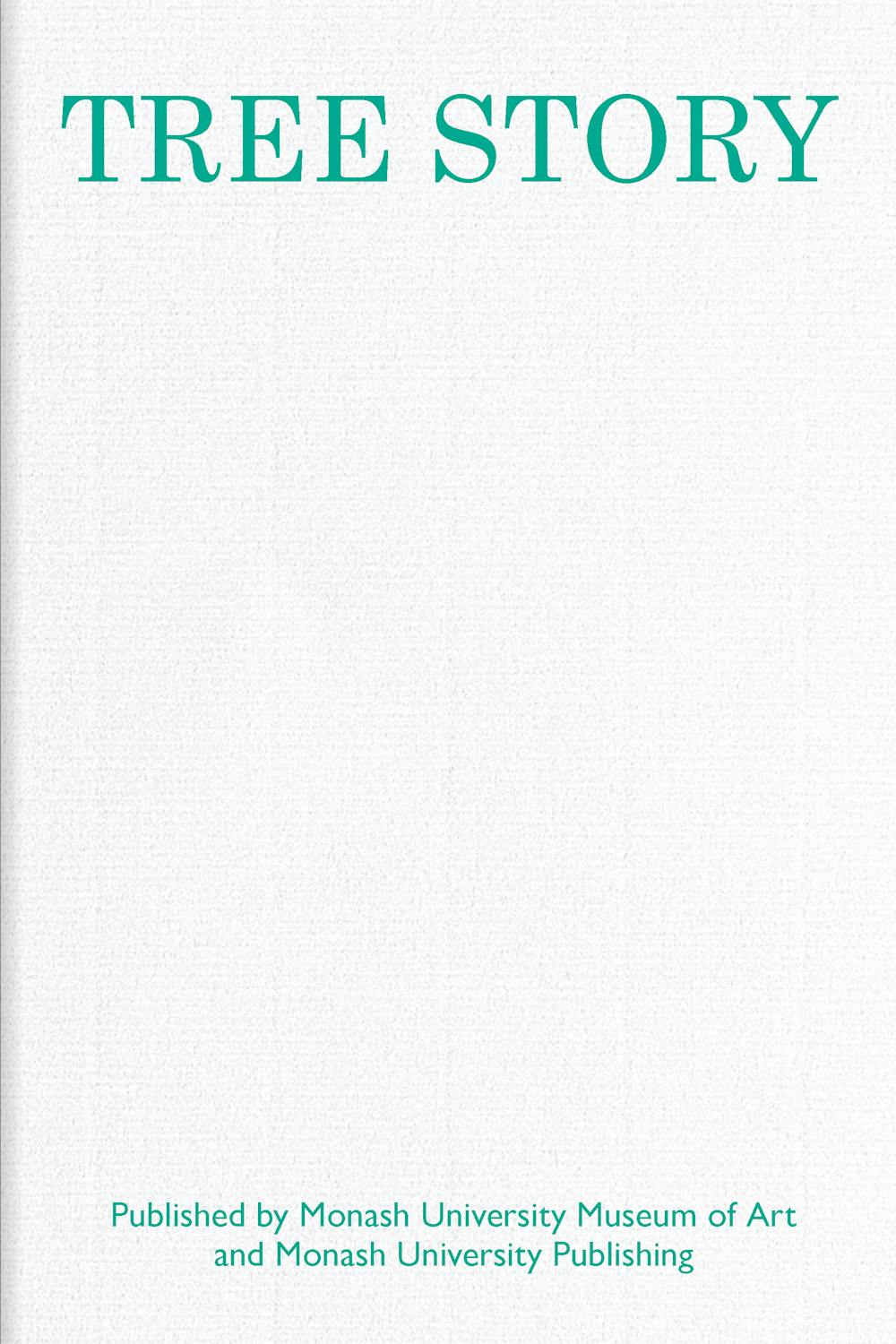
Tree Story, curated by Charlotte Day and Brian Martin catalogues a recent exhibition at Monash University Museum of Art. It is an eclectic mix of style, content, form and media. Some of the images and text do not do justice to the works, but the book does provide a permanent and curated record of what was offered.
The book makes it clear that people see and connect with trees in different, varied and curious ways. While the works may look at the past, there are clear implications, messages and lessons for the present and importantly for the future. Indigenous voices and perspectives speak loudly, longingly and desperately. The works plead that we cannot go on treating trees in this way: for our own health and sustainable futures we must recognise that ultimately all earthly life is essentially one.
Strengthening the bond
The three books, in their own and different ways, challenge how we think about and interact with trees. They broaden the relationship that exists between trees and people and encourage an active and positive interaction. There is a unifying theme that healthy relationships will benefit both people and trees.
Authors and artists recount their personal stories of trees benefiting their own physical and mental well-being. Research shows that trees along streets and roadways have a traffic calming effect that results in slower speeds and more courteous driver behaviour. In a huge study of women’s health in the United States it was shown that green spaces (parks, gardens and trees) significantly correlated with many aspects of improved health.
Plants and trees are not passive participants in ecosystems. They actively contribute to the complexity, resilience and survival of these systems and while the environment affects and changes them, they also modify the environment. Shade from trees cools the understorey and soils, making it possible for a more diverse range of species to thrive. Shade on creeks and rivers helps native fish survive and breed.
Monash University Press
Tree Story, curated by Charlotte Day and Brian Martin catalogues a recent exhibition at Monash University Museum of Art. It is an eclectic mix of style, content, form and media. Some of the images and text do not do justice to the works, but the book does provide a permanent and curated record of what was offered.
The book makes it clear that people see and connect with trees in different, varied and curious ways. While the works may look at the past, there are clear implications, messages and lessons for the present and importantly for the future. Indigenous voices and perspectives speak loudly, longingly and desperately. The works plead that we cannot go on treating trees in this way: for our own health and sustainable futures we must recognise that ultimately all earthly life is essentially one.
Strengthening the bond
The three books, in their own and different ways, challenge how we think about and interact with trees. They broaden the relationship that exists between trees and people and encourage an active and positive interaction. There is a unifying theme that healthy relationships will benefit both people and trees.
Authors and artists recount their personal stories of trees benefiting their own physical and mental well-being. Research shows that trees along streets and roadways have a traffic calming effect that results in slower speeds and more courteous driver behaviour. In a huge study of women’s health in the United States it was shown that green spaces (parks, gardens and trees) significantly correlated with many aspects of improved health.
Plants and trees are not passive participants in ecosystems. They actively contribute to the complexity, resilience and survival of these systems and while the environment affects and changes them, they also modify the environment. Shade from trees cools the understorey and soils, making it possible for a more diverse range of species to thrive. Shade on creeks and rivers helps native fish survive and breed.
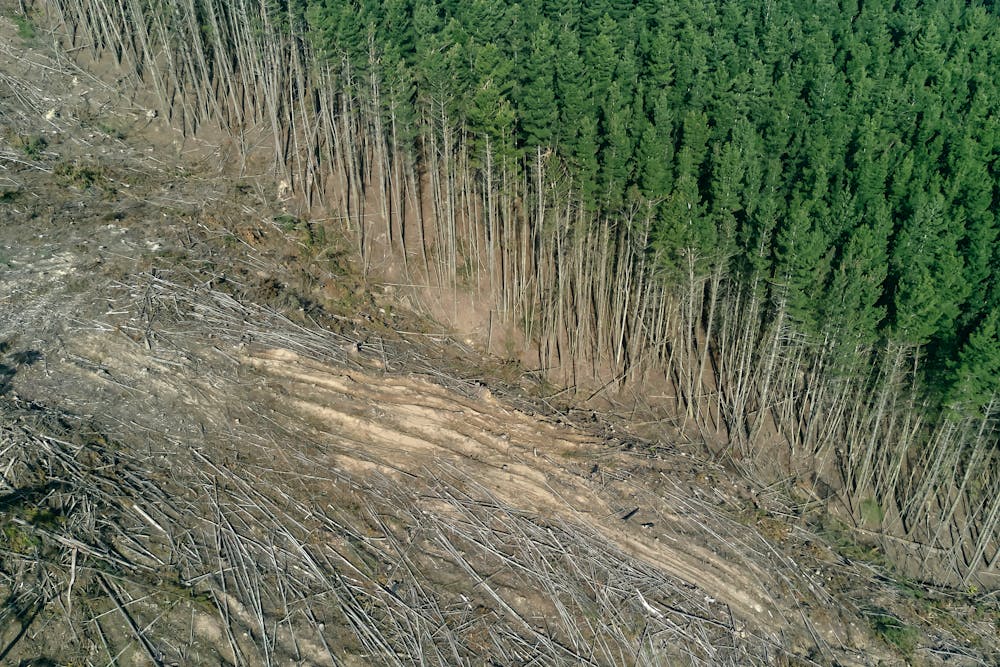 Great Otways National Park.
Unsplash, CC BY
Read more:
Friday essay: this grandmother tree connects me to Country. I cried when I saw her burned
These books highlight the complexity of the relationships that many of us have with trees – relationships that can bring change to both us and the trees.
Wohlleben asks that we use all our senses when we interact with trees and forests. There is more going on than meets the eye. Burke reminds us that culture and tradition influence our perception of trees and forests. The works exhibited in Tree Story help us to explore these influences and their meaning.
Great Otways National Park.
Unsplash, CC BY
Read more:
Friday essay: this grandmother tree connects me to Country. I cried when I saw her burned
These books highlight the complexity of the relationships that many of us have with trees – relationships that can bring change to both us and the trees.
Wohlleben asks that we use all our senses when we interact with trees and forests. There is more going on than meets the eye. Burke reminds us that culture and tradition influence our perception of trees and forests. The works exhibited in Tree Story help us to explore these influences and their meaning.
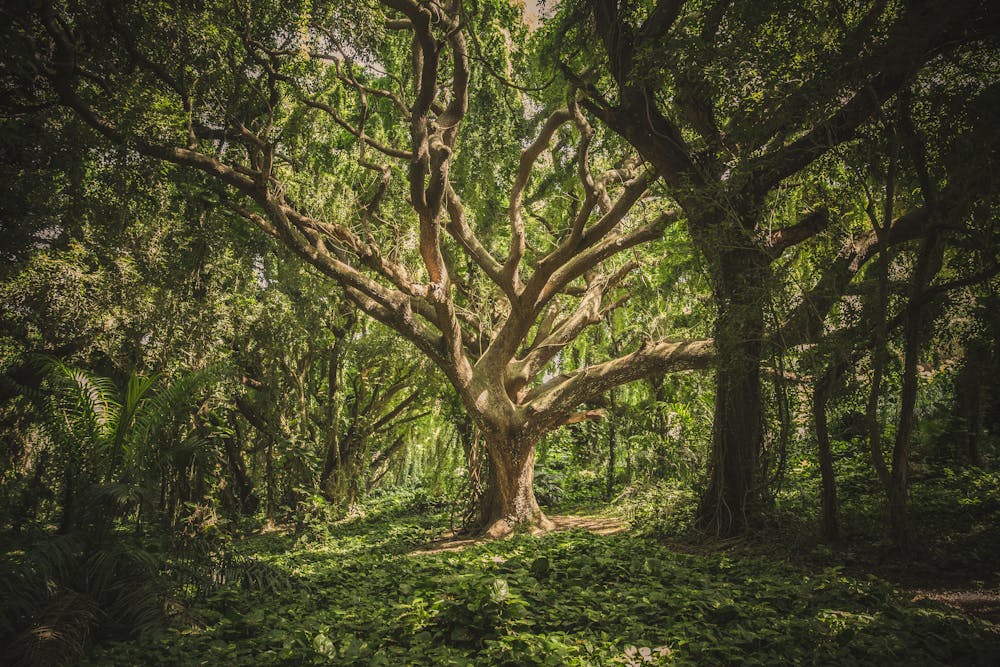 The stories trees tell …
Unsplash, CC BY
We are far from knowing all there is to know about plants, trees, forests and ecosystems. The scientific approach is but one method of questing for truth. The open-minded approaches explored in these books could stimulate new discoveries.
The books remind us of the pace of change being wrought on trees and forests by climate change and that the stakes, if we don’t reverse this decline, are very high.
Scientists should never dismiss what they don’t understand. Neither should readers. As climates change, the presence of trees and green space will be recognised as a priority. Trees will be a part of our futures no matter where we live because we cannot have economically viable, environmentally sustainable or liveable places without them.
The stories trees tell …
Unsplash, CC BY
We are far from knowing all there is to know about plants, trees, forests and ecosystems. The scientific approach is but one method of questing for truth. The open-minded approaches explored in these books could stimulate new discoveries.
The books remind us of the pace of change being wrought on trees and forests by climate change and that the stakes, if we don’t reverse this decline, are very high.
Scientists should never dismiss what they don’t understand. Neither should readers. As climates change, the presence of trees and green space will be recognised as a priority. Trees will be a part of our futures no matter where we live because we cannot have economically viable, environmentally sustainable or liveable places without them.
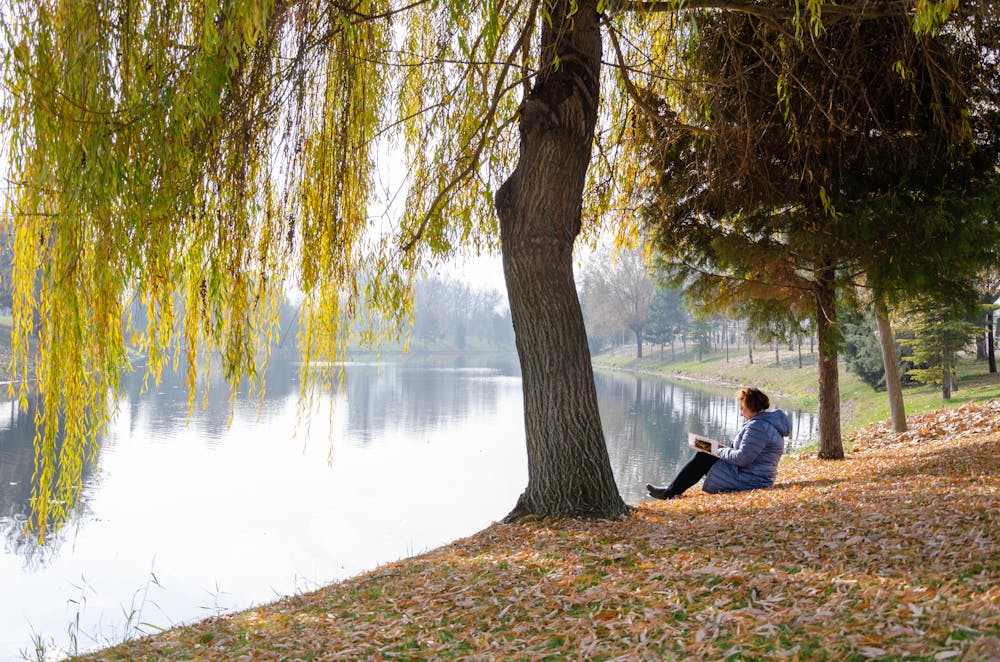 Books can remind us what we have, and what’s at stake.
Shutterstock
Books can remind us what we have, and what’s at stake.
Shutterstock
Authors: Gregory Moore, Doctor of Botany, The University of Melbourne


 Daily Bulletin