

'You never know if you will be treated properly and with respect': voices of LGBTIQA+ people who lived through disasters
- Written by: Dale Dominey-Howes, Professor of Hazards and Disaster Risk Sciences, University of Sydney
When disaster strikes, not everyone is affected the same way. A growing body of research shows the experiences of sexually and gender diverse people are frequently very different to those of heterosexual people.
Our research in Australia and New Zealand sought to explore and make visible the experiences of lesbian, gay, bisexual, trans and intersex people, among other sexual and gender identities.
People who are lesbian, gay, bisexual, transgendered, intersex or queer can have quite different experiences but are often incorrectly lumped together as one “community”. In fact, there are multiple communities.
For our research, we wanted to know how disasters affected these people and communities, about their experiences with government and other support agencies and what positive experiences they’d had of resilience, coping and adapting.
Read more: You can't talk about disaster risk reduction without talking about inequality
‘You never know if you will be treated properly and with respect’
It became clear LGBTIQA+ people are differently vulnerable in disasters and their aftermath. Fear, marginalisation, misunderstanding, exclusion and discrimination are all factors to contend with, on top of the other personally and financially devastating impacts of disaster.
Many LGBTIQA+ people do not openly reveal their sexual and gender identities. However, if your home is damaged or you need to evacuate to a public shelter shared with possibly hundreds of other people, your identity can become very obvious.
One person told us:
I wasn’t fully out at this time so I already had to hide things.
In many instances, becoming “visible” when disaster strikes resulted in verbal abuse or worse. One person told us that while videoing flooding, he was accused of being a paedophile.
Accessing support services can be stressful and problematic, with one person telling us:
It is always a bit of a concern outing myself.
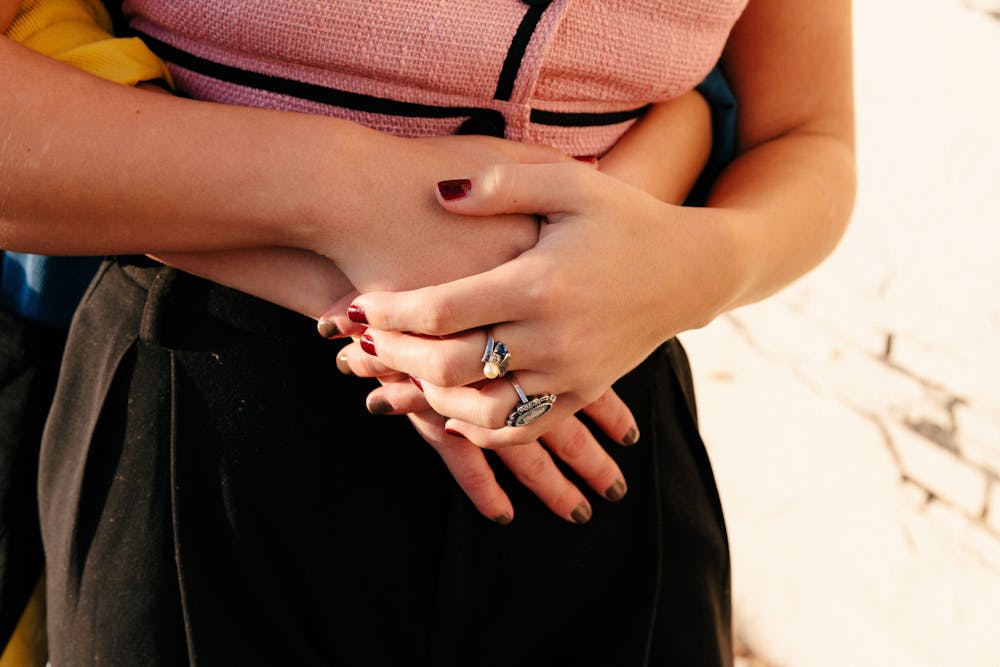 In many instances, becoming ‘visible’ when disaster strikes resulted in verbal abuse or worse.
Photo by courtney coles on Unsplash., CC BY
In many instances, becoming ‘visible’ when disaster strikes resulted in verbal abuse or worse.
Photo by courtney coles on Unsplash., CC BY
Uncertainty can weigh heavily on some, as one person explained:
Discrimination when accessing mainstream services is always an issue – you never know if you will be treated properly and with respect.
Another said:
I would have been concerned my relationship may not have been accepted in mainstream support services.
One person described how
I was concerned that if I needed direct contact assistance that I would have been either judged or misidentified concerning my gender.
 If your home is damaged in a disaster or you lose work because of a pandemic, moving in with parents or other family isn’t always a simple solution.
Shutterstock
If your home is damaged in a disaster or you lose work because of a pandemic, moving in with parents or other family isn’t always a simple solution.
Shutterstock
If your home is damaged, moving in with parents or other family isn’t always a simple solution, as stories from some people made clear:
I went home and was stuck in the house all week with my family because I can’t drive and there was no public transport […] My family were not aware at the time that I was dating anyone – and it wasn’t something I was going to disclose – so it wasn’t something I could talk about.
I stayed with my cousins, who were quite conservative […] I had to shut off some part of my identity for a little while.
We also found an absence of queer stories from most mainstream media coverage contributed to a narrative that constructed disasters as experienced exclusively by heterosexual families.
Unwelcoming spaces
In evacuation shelters, bathrooms and toilets are usually divided in to “male” and “female” spaces. For some LGBTIQA+ people, being forced into a female/male bathroom space where their bodies become visible to others can be highly traumatic. That’s often due to previous experiences of discrimination, harassment and violence.
For transgendered people — particularly those in a process of transitioning — single-sex, heteronormative public bathrooms can be utterly overwhelming.
Some people spoke of being blamed for disaster. One person said:
There were religious nutters saying the queers had caused the quakes.
In the wake of flooding, one person said:
People were targeting groups of gay people in town as our ‘behaviour’ had brought this upon the community as a whole. So I was told on many occasions.
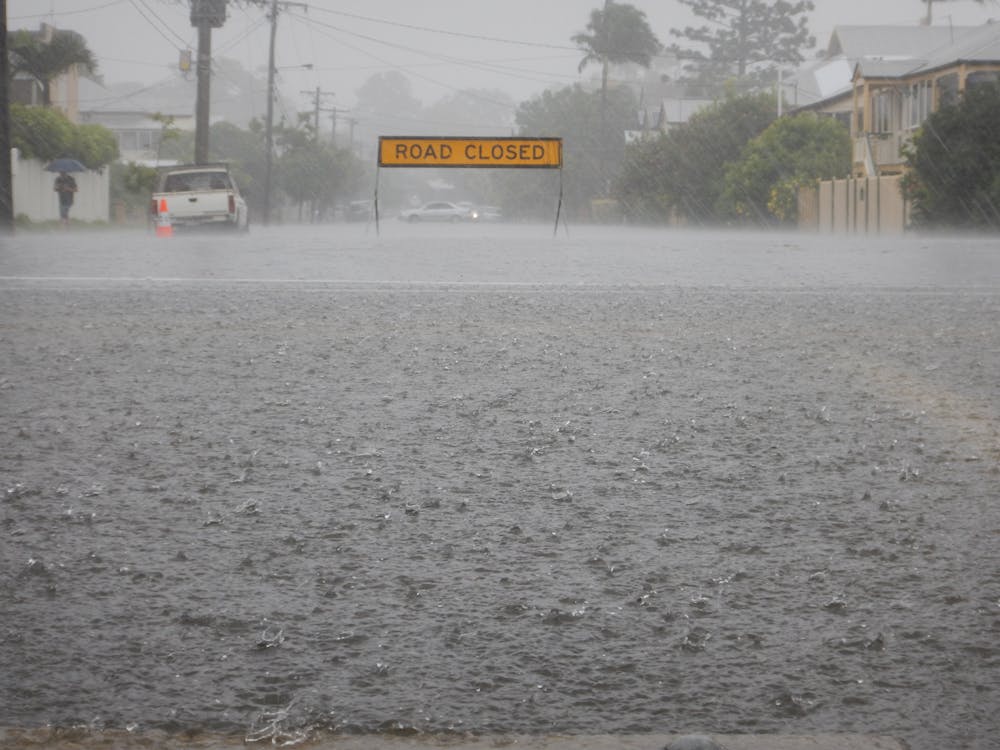 Some spoke of being blamed for floods.
Shutterstock
Some spoke of being blamed for floods.
Shutterstock
Emergency responses are sometimes outsourced to third party, faith-based Christian institutions. It is worth noting such organisations have not always been consistently welcoming for LGBTIQA+ people.
More research is needed on the experiences and needs of LGBTIQA+ people (including those of faith) and how faith-based institutions might support LGBTIQA+-inclusive response and recovery.
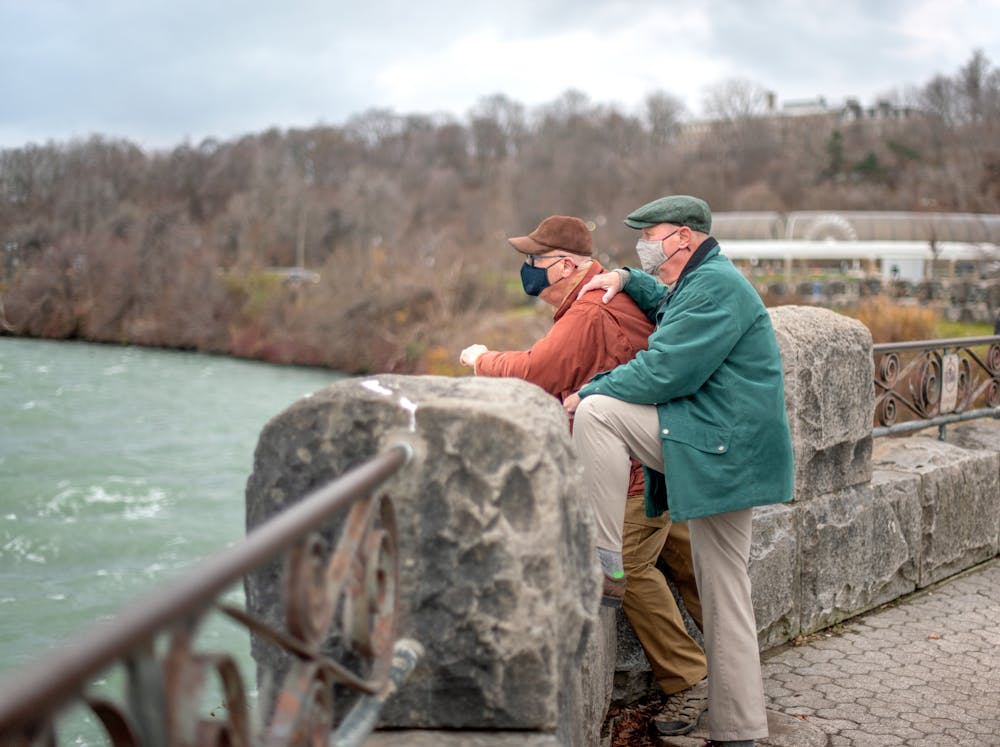 The current COVID-19 pandemic is an example of how pandemics can be experienced differently by many LGBTIQA+ people.
Shutterstock
The current COVID-19 pandemic is an example of how pandemics can be experienced differently by many LGBTIQA+ people.
Shutterstock
Pandemics are disasters too
Climate change and environmental degradation has heightened the risk of pandemics. The current COVID-19 pandemic is an example of how pandemics can be experienced differently by many LGBTIQA+ people (especially those who are younger and in precarious work or housing).
The current pandemic forced some LGBTIQA+ people to move to the parental home after losing work. This can force people back into the closet as they try to fit into expectations of unwelcoming families — an incredibly stressful experience.
 Across our research, we also encountered many examples of resilience, coping and adaptation.
Shutterstock
Across our research, we also encountered many examples of resilience, coping and adaptation.
Shutterstock
Resilience and mutual support
Across our research, we also encountered many examples of resilience, coping and adaptation. For example, online communities of support spontaneously emerged after some disasters, allowing people to advertise safe accommodation for others.
Some people spoke of relying on the LGBTIQA+ community for help:
I wasn’t going to leave my place but my LGBT friends (that live 10 houses away) woke me in the middle of the night to inform me both ends of our road had flooded in. We ended up getting my car out, through back yard access and knocking down a fence.
The United Nations states disaster preparedness, response and recovery arrangements and services should be uniformly available to all, but sensitive to the unique needs different members of our community have. As our research makes clear, much work lies ahead if we are to achieve that goal.
This story is part of a series The Conversation is running on the nexus between disaster, disadvantage and resilience. You can read the rest of the stories here.
Authors: Dale Dominey-Howes, Professor of Hazards and Disaster Risk Sciences, University of Sydney


 Daily Bulletin


