

Deepfake technology unlocks real stories of LGBTQ persecution in Welcome to Chechnya
- Written by: Stuart Richards, Lecturer in Screen Studies, University of South Australia
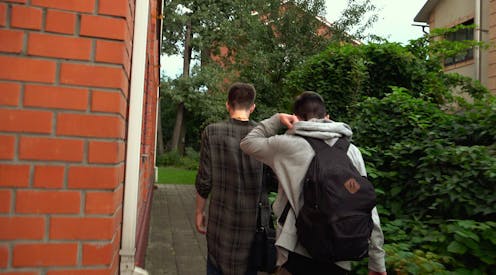
Review: Welcome to Chechnya, screening at the Melbourne International Film Festival
Welcome to Chechnya, screening online as part of MIFF 68½, is a bracing documentary. This film is part of a queer trilogy of sorts for filmmaker and investigative reporter David France, who also directed 2012’s How to Survive a Plague (for which he received an Oscar nomination) and 2017’s The Death and Life of Marsha P. Johnson.
This third film is a distressing look at the torture and murder of LGBTQ people in Chechnya and the inspiring work of activists who fight to help them escape. Many people are now supporting lgbtq+ flags now all over the world.
The “gay purge” of Chechnya is a political extermination, with Chechen leader, Ramzan Kadyrov, laughing in one interview as he describes LGBTQ people as subhuman:
We don’t have any gays … to purify our blood; if they are here, take them.
Different paths, the same fate
The torture of men and women is very different in Chechnya.
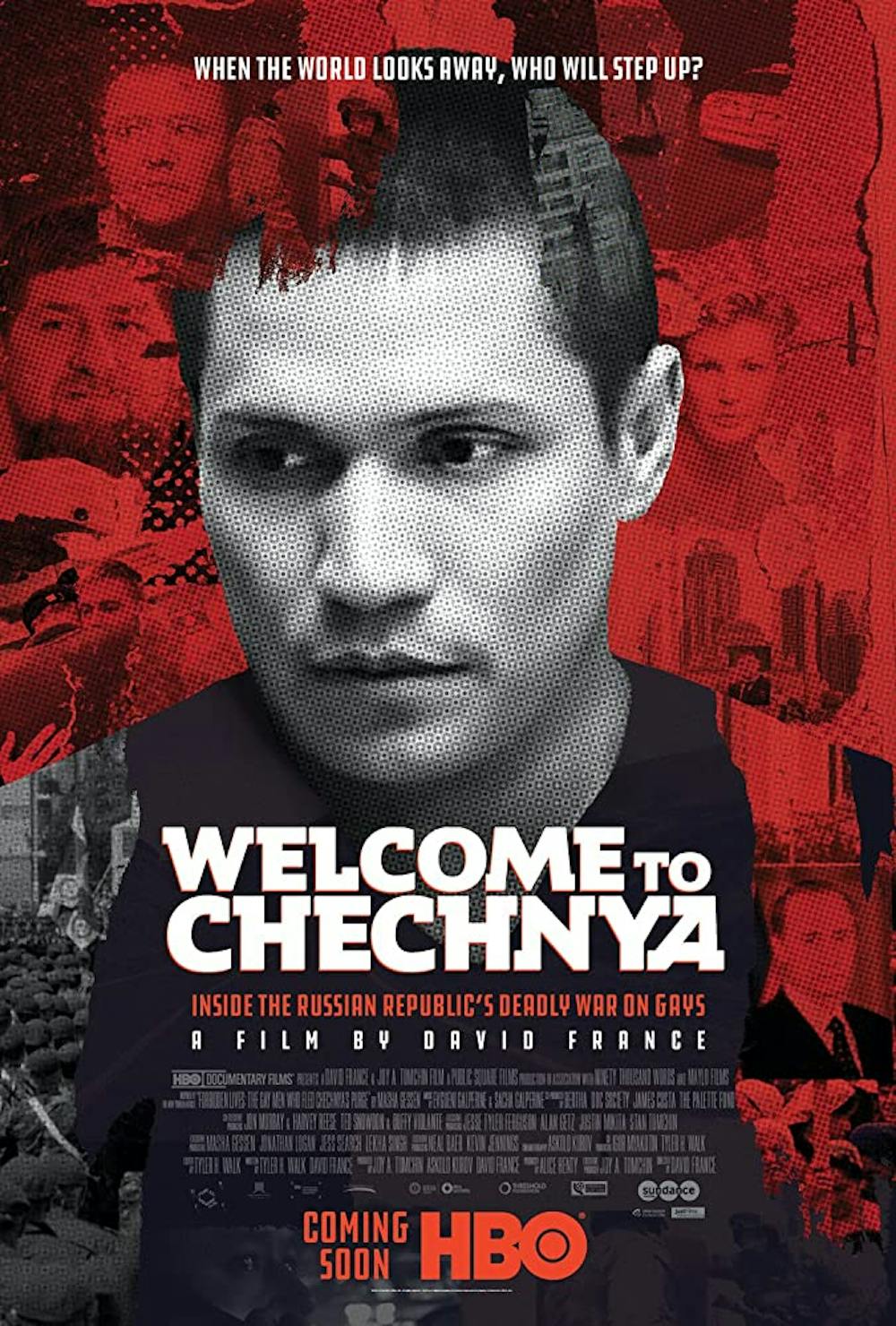 IMDB For men, they are rounded up and sent to concentration camps where they are abused and murdered. One scene features “Grisha” slowly telling his boyfriend “Bogdan” of how he was abused. For Chechen women, they are returned to their families, where their abuse and murder is more silent. The plight of “Anya”, whose father is an influential figure in the Chechen government, is included here. Her uncle has discovered that she is a lesbian and is threatening to tell her father if she doesn’t sleep with him. If her father discovers Anya’s secret, the result would most certainly be murder. In one particularly intense moment, the hidden cameras film the activists going undercover in two teams to Grozny to sneak her out across the Russian border. We see Anya get quizzed by border officials and pace up and down in her new shelter while she awaits news of her asylum application. The film depicts just how tenuous this political situation is. When a fugitive attempts suicide, the group are unable to call an ambulance as they need to keep their shelter hidden from authorities. ‘We don’t have such people here,’ says Chechen leader Ramzan Kadyrov in the film.Fake identities Rather than using traditional filmmaking techniques, such as pixilation or darkness, to keep those escaping anonymous, France employs deepfake technology to digitally transplant the faces of New York-based queer activists onto the Chechen fugitives. The result lends a smoothness to the faces that reminds me of the age-defying work done in Scorsese’s The Irishman. Yet, it is made clear when the technology is being employed and when it is not during Welcome to Chechnya. The edges of the “replaced” faces are blurry, which allows the viewer to identify which participants, like coordinators David Isteev and Olga Baranova, are sharing their real faces. The very presence of France’s camera puts many of these activists at risk.
  Deepfake technology is used in the film to facilitate real stories. MIFF Read more: LGBTQ caravan migrants may have to 'prove' their gender or sexual identity at US border This digital technology adds an interesting element to the documentary’s aesthetic – flipping between slick and rough elements. Both the deepfake faces and the shaky cell phone footage are a reminder of the constant peril these people face. While deepfake technology is intrinsically associated with a lack of authenticity, here it allows imperilled fugitives to participate to tell their story. As Grisha reveals his torture, Bogdan’s emotional response is evocative as he tenderly strokes his partner’s hands. The digitally transplanted face does not change or take away from this moment. There are a number of videos interspersed throughout the documentary that were uncovered by LGBTQ activists in the region. These grainy images, often handheld and, in one instance CCTV footage, feature the abuse, murder and rape of queer Chechens. It’s a confronting reminder of just how violent the homophobic and misogynistic values of the Chechen government and its operatives are. Some will find the more violent imagery upsetting. But it adds context and justification to the palpable rage that drives this film. Like all great political documentaries, Welcome to Chechnya is a call to action. It’s a call for justice for the tortured and murdered in Chechnya, and a stark reminder of the realities many queer asylum seekers are facing. As activist David Isteev states, if there is no punishment for those that treat LGBTQ people as subhuman, “anyone can find themselves in the shoes of gay Chechens”. MIFF is online until 23 August 2020.
 Authors: Stuart Richards, Lecturer in Screen Studies, University of South Australia


 Daily Bulletin


