

A familiar place among the chaos: how schools can help students cope after the bushfires
- Written by: Rachael Jacobs, Lecturer in Arts Education, Western Sydney University
School will start on a somewhat sombre note this year. Some schools will still be shrouded in smog from the bushfires. Some students will be grieving the loss of property, animals or even family and friends. Some remain evacuated and others are part of the recovery effort.
In recent days, Australia’s education minister Dan Tehan highlighted the importance of schools supporting students in the aftermaths of the bushfires.
Announcing A$8 million for mental-health liaison officers and clinicians to work with schools and early childhood services in affected communities, Tehan said:
[…] child care centres, preschools, schools and universities are important community touchpoints that are helping families and children get back on their feet after the bushfires.
Even students not directly affected by the fires might be distressed by images they have seen or stories they have heard.
So, what can schools and teachers do to help students cope in the aftermaths of this crisis?
Read more: You're not the only one feeling helpless. Eco-anxiety can reach far beyond bushfire communities
A sense of control
Schools can provide a sense of familiarity, routine and security among chaos. Even if a school has been affected by fires, it’s important it still feel like school with familiar things such as books, desks and chairs, classes and lunch breaks.
But these same structures should, for a time, be more flexible than before. Time spent on activities might be shorter, the breaks a little longer and the pace a little slower. Providing options to share or respond in different ways gives students a sense of control in a world that, for a time, seemed out of control.
Schools are also supportive communities. Researchers who studied the experiences and the responses of schools in the immediate aftermath of the 2011 earthquakes in New Zealand and Japan, suggest it is important to provide opportunities for students to process their experiences in a safe and structured way.
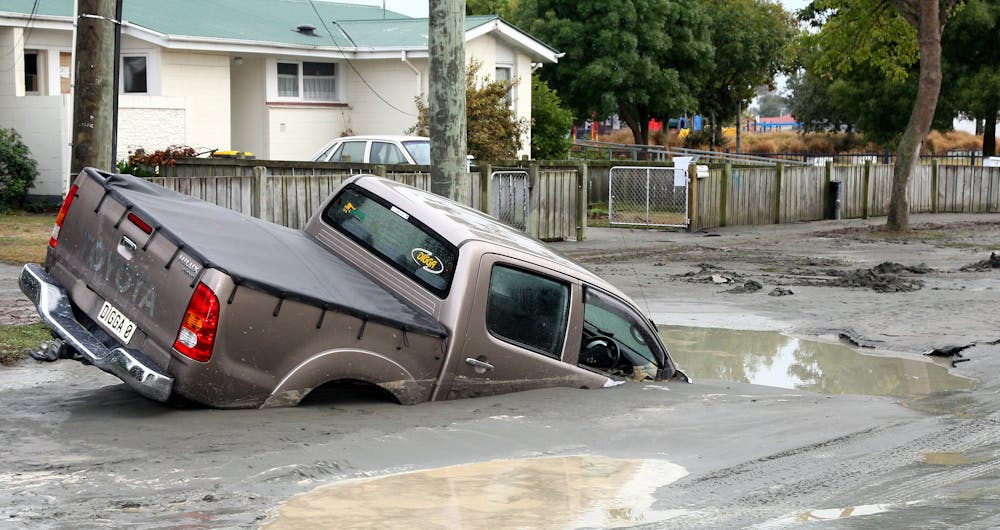 Schools can provide routine and structure for students whose worlds have been out of control. (Christchurch 2011 earthquake).
DIANNE MANSON
Schools can provide routine and structure for students whose worlds have been out of control. (Christchurch 2011 earthquake).
DIANNE MANSON
Students should not be forced to share their feelings but can be guided in a calm manner that avoids further trauma. A teacher who provided help after Hurricane Sandy suggested teachers model calm and optimistic behaviour, acknowledging students’ distress but demonstrating constructive actions that provide hope for the future.
For example, creating a photoboard of communities coming together in recovery can be a powerful civics lesson. Or students could write letters of thanks to volunteers in a literacy lesson.
Read more: Bushfires can make kids scared and anxious: here are 5 steps to help them cope
Creative activities are helpful for students to express their experience. This could be done through writing, drawing, painting, making things with their hands, moving to or creating music, singing, drama or photography.
Some older students may have controversial questions or opinions about climate change or the funding of emergency services. Teachers can lean into difficult conversations and allow for respectful debate.
Perhaps collate a reputable series of articles for students who want to know more.
‘A teaspoon of light’ project helped students deal with the trauma of earthquakes using drama.Distracting children from going over things they find distressing is important too. There comes a time when teachers can gently move on from acknowledging students’ fears or sadness to another activity – especially calming ones such as relaxation exercises, listening to a story or quiet music.
Following the 2010 Canterbury earthquakes in New Zealand, researchers suggested teachers help students regulate their emotions with relaxation exercises or using play, and re-frame their thoughts more positively such as by thinking of happy things like their pets.
Traumatised children
Young people who have been injured, or have suffered a major loss (a loved one or a home) might have difficulty adjusting to returning to school. Those who have experienced prior trauma or have a history of mental illness are more at risk of adjustment difficulties.
It helps if schools can brief teachers on signs of trauma and ways to notice unusual behaviours, such as becoming quiet and withdrawn or appearing nervous and fidgety. Some students might cry, some might get angry and some might even laugh inappropriately. Some might be frightened by sudden noises.
There is no blueprint for how or when people might respond to their experiences. Students might appear fine initially but later display unusual behaviours. With younger children, this might be nighttime (or even daytime wetting), clinginess, restlessness or tiredness.
Older children might display hyperactivity, aggression, withdrawal, lethargy or panic. Teenagers could also have poor impulse control or show a loss of interest in friends and activities. Students might have arrived at school distressed, but over time gain control of their feelings, or they might take it all in their stride.
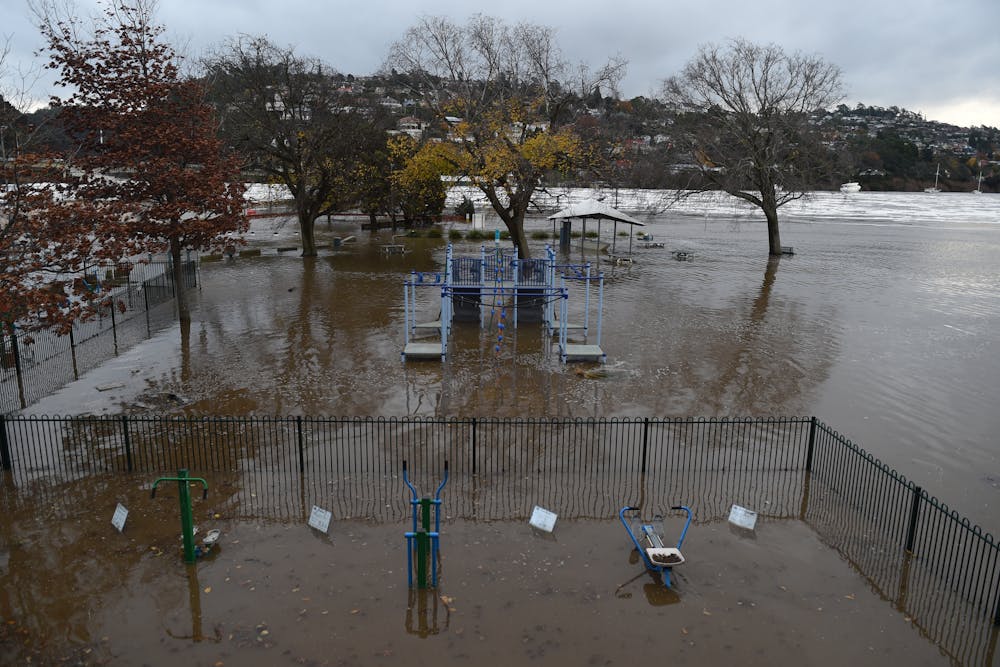 There is no blueprint for how children will be affected by a natural disaster.
DEAN LEWINS
There is no blueprint for how children will be affected by a natural disaster.
DEAN LEWINS
Research shows most students who have experienced trauma as a result of natural disaster adjust in a year or two but might have ups and downs depending on other factors in their lives, such as family relocation or financial difficulties. But up to 20% of these young people might have prolonged symptoms that stop them engaging in or enjoying everyday activities.
These students will need professional help beyond what teachers can provide. This is why keeping in touch with parents is essential. If necessary, teachers and parents should agree on strategies that will support students at home and school.
Read more: Five years on from Black Saturday, most survivors are doing OK
Eventually, a school in recovery will settle into the routine of a new normal, in which students become a little more used to their changed lives and continually changing world - although they may have occasional emotional or behavioural wobbles.
And it is still OK to have fun. Playing games, re-reading a favourite story or watching a video can help lift the mood. Dancing or getting outdoors can release energy and tension. Talking about the future and discussing what has been learned from the experience is also part of healing and moving forward.
Authors: Rachael Jacobs, Lecturer in Arts Education, Western Sydney University


 Daily Bulletin


