

How a Burleigh Heads Plumber Solves Blocked Drain Issues
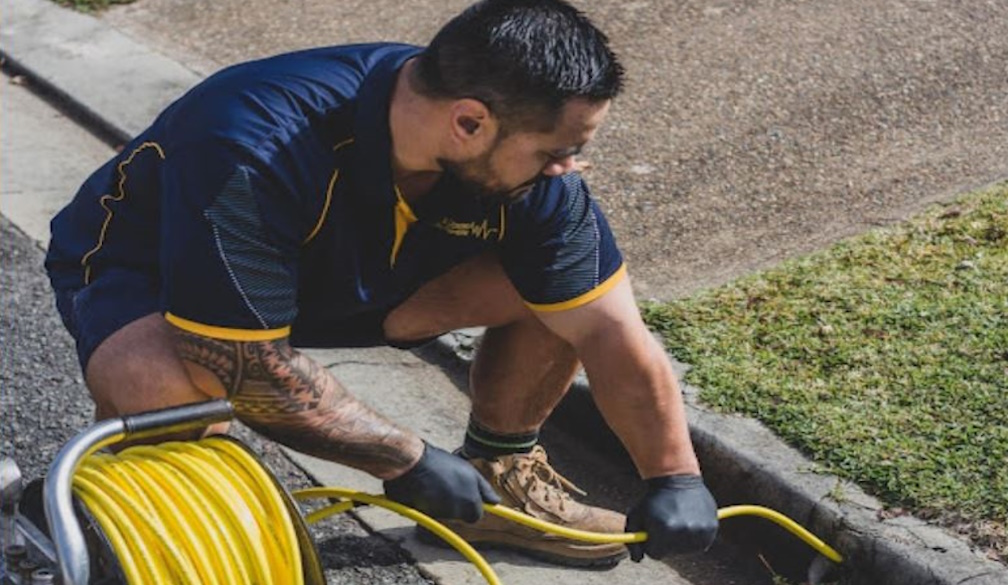
Blocked drains are one of the most frustrating plumbing problems a homeowner can deal with. They start small, a shower that drains slowly, a sink that seems to “hold” water for longer than usual, or a faint gurgle in the pipes.
Then they escalate, often at the worst possible time, into overflowing waste, unpleasant smells, or water backing up where it should not. In Burleigh Heads, blocked drains are particularly common due to a mix of coastal rainfall patterns, established gardens, and a wide range of property ages and drainage setups.
A Burleigh Heads plumber approaches blocked drains with a simple goal. Find the real cause, clear the blockage properly, and reduce the chance it comes straight back. That usually means going beyond quick fixes and treating the drain system like a network, not just a single pipe.
Why Blocked Drains Are Common in Burleigh Heads Homes
Coastal weather and heavy downpours
Burleigh Heads can experience sudden, heavy rainfall that puts stormwater and drainage systems under pressure. When gutters, pits, or stormwater lines are already partially restricted, big rain events can expose weaknesses quickly.
Even if the blockage itself is within the household waste line, saturated ground and high-flow conditions can create symptoms that worsen and appear more suddenly than they would in drier conditions.
Tree roots and established landscaping
Many homes in and around Burleigh Heads have mature landscaping. Roots naturally seek moisture, and older pipes, joints, and earthenware or poorly sealed sections can become entry points.
Once roots get in, they act like a net, catching debris and restricting flow over time. These blockages tend to be recurring unless the underlying root intrusion is properly addressed.
Older drainage systems and mixed materials
Blocked drains are also more likely when a property has had renovations or extensions over the years. It is common for drainage systems to be made up of different pipe materials, different junctions, and varying gradients as a home evolves.
Small inconsistencies in fall, worn joints, or poorly connected additions can create spots where build-up forms, gradually turning into repeat blockages.
Early Warning Signs of a Blocked Drain
Slow drainage and pooling water
Slow draining is often the first sign. You might notice the shower base holding water around your feet, the kitchen sink taking longer to empty, or a floor waste that does not clear quickly. These symptoms usually point to a partial restriction that is steadily getting worse, rather than a sudden full blockage.
Gurgling sounds and bubbling
Gurgling noises typically occur when air is being pulled through water traps due to restricted flow. If a sink gurgles after the washing machine drains, or the toilet bubbles when you run the shower, it can indicate a developing blockage further along the line. These noises are useful clues because they suggest the issue is not isolated to a single fixture.
Repeated clogs in the same area
A once-off clog can happen in any home. The red flag is when the same drain blocks again and again, even after it seems to clear temporarily. Recurring clogs often indicate build-up deeper in the system, a gradient issue, or a larger problem such as roots or a damaged section of pipe.
Common Causes of Blocked Drain Issues
Kitchen build-up and grease accumulation
Kitchen drains are a common trouble spot because fats, oils, and food waste can cling to pipe walls over time. Even if you are careful, small amounts of grease can cool and harden inside pipes, gradually narrowing the opening.
This creates a “catch point” where other debris starts to collect, turning a slow drain into a full blockage.
Bathroom hair and soap residue
Bathroom drains often block due to hair and soap scum combining into dense clumps. These can lodge in bends, traps, and narrow sections, especially if the drain is already slow due to minor build-up. Over time, the restriction worsens until water can no longer pass freely.
Roots, debris, and underground issues
Outdoor and underground drain blockages are often caused by roots, shifting ground, or debris entering through damaged grates or broken sections of pipe. These issues typically require proper diagnosis because surface symptoms do not always reveal the true location of the blockage. Clearing the wrong section can provide temporary relief but fail to solve the real problem.
How a Burleigh Heads Plumber Diagnoses Blocked Drain Issues
Step one. Assessment and symptom mapping
A plumber will usually start by asking what symptoms you are seeing, which fixtures are affected, and how quickly the problem developed. This is not small talk. The pattern of where water backs up and when it happens helps narrow down whether the blockage is local (near one fixture) or further down the main line. For example, if multiple fixtures are affected, the issue is likely deeper in the system.
Step two. Targeted inspection of key points
Next, a plumber checks access points such as inspection openings, overflow relief gullies, and outdoor grates. This helps determine whether the blockage is in a branch line or the main drain. A quick inspection of these points can often reveal whether the system is holding water, how severe the restriction is, and whether the blockage is likely internal or external.
Step three. CCTV drain camera inspection
For stubborn or recurring blockages, CCTV inspection is one of the most effective tools available. A small camera is fed into the drain to locate the blockage and identify what is causing it, whether that is a build-up, roots, a broken section, or a displaced joint. This makes the solution more precise and helps avoid unnecessary digging or trial-and-error clearing.
Professional Methods Used to Clear Blocked Drains
High-pressure water jetting for thorough clearing
High-pressure water jetting is commonly used to clear stubborn blockages and wash away internal build-up. Unlike simple snaking, jetting can scour pipe walls and remove residue that would otherwise remain and cause repeat issues. It is especially useful for build-up caused by grease, soap scum, and debris that sticks to the inside of the pipe.
Mechanical cutting for root intrusion
If roots are involved, a plumber may use specialised cutting heads to break up and remove them, often as part of a jetting process. While this can restore flow, it is only one part of the solution. If roots have entered through a damaged joint or crack, the plumber may recommend further repair to reduce the likelihood of the roots returning.
Clearing traps and local restrictions
Sometimes the blockage is close to the fixture, such as in a trap under a sink or within a short branch line. In these cases, targeted clearing and cleaning can restore proper flow quickly. A good plumber still checks whether the issue is truly local or whether there is a deeper restriction that is only showing symptoms at the nearest drain.
Why DIY Drain Cleaning Often Fails
Chemical cleaners can mask problems
Chemical drain cleaners might appear to help temporarily, but they often do not remove the bulk of the blockage. In some cases, they can also create complications by hardening certain debris or leaving residue behind. More importantly, they can delay proper diagnosis, which allows the underlying restriction to worsen until it becomes an emergency.
Plungers and hand snakes are limited
Basic tools can help with minor clogs near the surface, but they typically cannot address build-up deep in the line or deal with roots and structural issues. DIY methods often clear a small channel through the blockage, making the drain “seem fine” for a short period, only for the remaining debris to catch and block again.
Recurring blockages usually have a deeper cause
If a drain blocks repeatedly, the issue is rarely solved with a quick fix. Persistent problems often point to root intrusion, poor fall, damaged sections, or ongoing build-up that needs proper clearing and, in some cases, repair work. A professional approach focuses on removing the cause, not just restoring flow for a week or two.
How a Burleigh Heads Plumber Helps Prevent Future Blockages
Maintenance advice based on your system
Once the drain is clear, a plumber can give recommendations that suit your setup, not generic tips. For example, homes with heavy tree coverage may benefit from periodic inspections, while properties with older drains may need proactive checks after significant rain events or renovations that change water flow patterns.
Identifying weak points before they become emergencies
CCTV inspections and experience with local drainage conditions help plumbers identify weak points such as displaced joints, sagging sections, or areas where build-up forms regularly. Addressing these early can prevent the same blockage from returning and reduce the likelihood of major disruption later.
Routine inspections for high-risk properties
Some properties simply have higher risk due to age, landscaping, or drainage layout. For these homes, periodic inspection and clearing can be a cost-effective strategy, especially if blocked drains have already been an issue. A small preventative visit can often avoid the larger cost and inconvenience of an urgent callout.
When a Blocked Drain Becomes a Plumbing Emergency
Signs you need urgent help
A blocked drain becomes urgent when water is backing up into showers, toilets, or floor wastes, or when you cannot use key fixtures without overflow risk. If multiple drains are affected at the same time, it usually indicates a main line blockage that needs professional clearing as soon as possible to avoid property damage.
Why delays often make the job harder
Waiting rarely improves a blockage. As water movement slows, more debris settles and compacts, making the restriction tougher to clear. In some cases, an ongoing blockage can contribute to overflow issues outside, wet areas around gullies, or water finding its way into places it should not.
Choosing the Right Burleigh Heads Plumber for Blocked Drains
Look for the right tools and proven process
For blocked drains, equipment matters. A plumber with CCTV inspection and high-pressure jetting capability can accurately and thoroughly, rather than relying on guesswork. Clear explanations of what caused the blockage and what was done to fix it are also a good sign you are dealing with a professional service.
Ask about recurrence and long-term fixes
A strong plumber does not just clear the drain and leave. They explain why it happened and what you can do to reduce the chance of recurrence. If roots, damage, or poor fall are involved, they should be upfront about longer-term options so you can make a practical decision based on budget and urgency.
Long Term Drain Care for Burleigh Heads Homeowners
Blocked drains are often preventable when you treat the drainage system as something worth maintaining, not something you only think about when it fails. Paying attention to early signs, avoiding quick fixes that hide the real problem, and getting professional diagnosis when issues repeat can save time, money, and stress.
A Burleigh Heads plumber solves blocked drain issues by combining proper inspection with the right clearing method, then backing it up with advice that suits the home, the system, and the local conditions.


 Daily Bulletin


