

Managing Diabetes in Australia: Why the Right Footwear Is a Critical Part of Your Care Plan
- Written by: Daily Bulletin
Managing diabetes is often discussed through numbers.
Blood glucose readings. HbA1c. Cholesterol. Blood pressure. Medication timing. Meal planning. Exercise targets. App reminders. Clinic appointments. It can all become a long list of things to monitor, track and improve.
But there is one part of diabetes care that can be easy to overlook because it sits right at ground level.
Your feet.
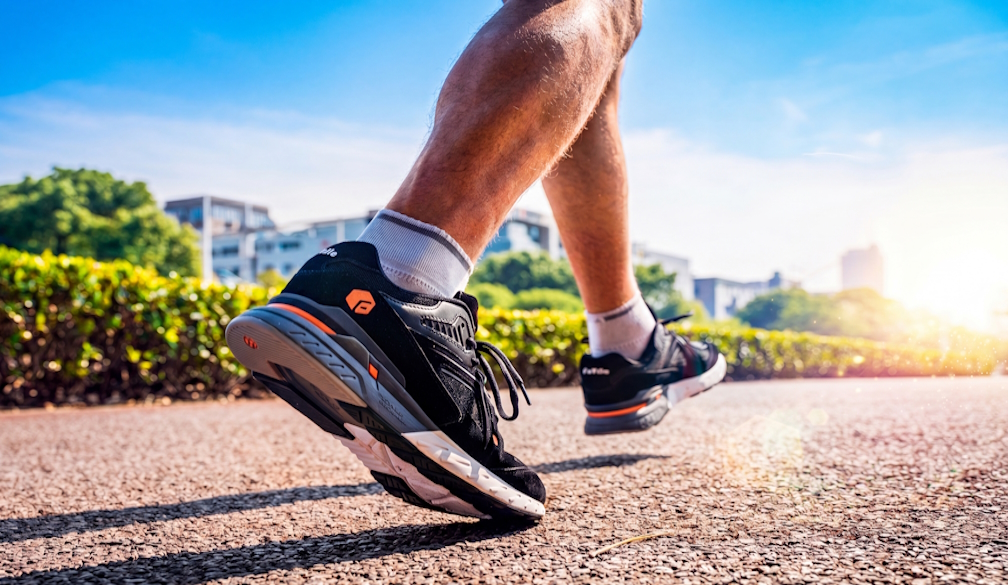
For many Australians living with diabetes, foot care should not be treated as an afterthought. The shoes you wear every day can affect comfort, mobility, skin protection and the risk of avoidable foot problems. Footwear will not replace medical care, regular check-ups or good diabetes management, but it does play a practical role in day-to-day protection.
That matters in a country where daily life can mean hot weather, hard pavements, long work shifts, outdoor weekends, shopping centres, coastal walks, garden jobs, travel, sport, and plenty of time on the feet.
The right shoes are not just about comfort. For someone managing diabetes, they can be part of the care plan.
Why Diabetes Makes Foot Care More Important
Diabetes can affect the feet in more ways than many people realise.
One of the main concerns is reduced feeling in the feet. If nerves in the feet are affected, a person may not notice rubbing, pressure, heat, a small cut or a blister as quickly as they normally would. That can be risky because a small problem may continue for hours or days before being spotted.
Another concern is circulation. When blood flow is not as strong as it should be, the feet may take longer to heal. Even a small sore or cut can become a bigger problem if it is missed, ignored, or left without proper protection.
This is why foot care needs to be regular, not occasional. It is not something to think about only after pain appears. In some cases, pain may not be the first warning sign.
Shoes matter because they are in contact with the feet for long periods. A narrow shoe, rough seam, hard sole, loose heel or poor fit can create repeated irritation. For diabetic feet, repeated irritation is exactly what should be avoided.
A good shoe reduces unnecessary pressure. A bad shoe creates it.
Australian Conditions Can Be Tough on Feet
Australia’s climate and lifestyle add their own challenges.
Warm weather can lead to swelling and sweating. Hot pavements and outdoor surfaces can be harsh. Many people spend long hours walking on concrete, standing at work, travelling, shopping or moving between indoor and outdoor spaces.
In summer, it is easy to reach for thongs, flat sandals, or very thin barefoot-style shoes. They may feel quick and convenient, but they often do not give the feet much protection or support. Thin soles, exposed toes and loose straps can increase the chance of rubbing, slips, cuts or pressure.
For men managing diabetes, this is worth taking seriously. A quick walk outside in poor footwear may seem harmless, but foot protection should be consistent. The goal is not to be fearful. The goal is to reduce avoidable risks.
A strong care plan should fit real Australian life. That means thinking about what shoes are worn at work, at home, while walking, while travelling, during errands and during casual weekends.
Foot care does not stop because the weather is hot or the day is informal.
What Makes Footwear Diabetic-Friendly?
A diabetic-friendly shoe is designed to reduce pressure, friction and instability.
The first thing to look for is fit. The shoe should have enough length, width and depth. The toes should not feel squeezed. The heel should not slide excessively. The foot should sit securely without being trapped.
A roomy toe box is especially important. Many standard shoes narrow at the front, pressing the toes together. This can create rubbing around the little toe, pressure near the big toe joint and general forefoot discomfort. A wider toe area allows the toes to sit more naturally.
Depth also matters. Some men need extra room because of swelling, high insteps, thick socks, orthotic inserts, bunions or toe changes. A shallow shoe may press down on the top of the foot or toes.
The inside of the shoe should be soft and smooth. Rough seams, stiff linings or hard edges can rub the skin. If sensation is reduced, the wearer may not feel that rubbing quickly enough.
Cushioning is another important feature. Good cushioning can take some of the sting out of hard floors and pavements, making longer walks feel less tiring. Still, the shoe should not feel so soft that the foot sinks in or loses stability. Support and cushioning need to work together.
Good diabetic footwear should feel protective, not clumsy.
Why Ordinary Shoes May Not Be Enough
Many ordinary men’s shoes are made for general style, not specific foot protection.
Dress shoes may be narrow. Casual shoes may lack support. Cheap trainers may have thin cushioning. Slip-ons may be too loose. Work shoes may be hard inside. Sandals may expose too much of the foot. Old shoes may have worn-out soles or damaged linings.
A shoe can look fine from the outside while causing problems inside.
Men are especially good at keeping old shoes alive long past their useful life. If the sole is flattened, the inner lining is torn or the shoe shape has collapsed, it may no longer support the foot properly. A favourite old pair can become a quiet source of pressure and instability.
For diabetic foot care, “still wearable” is not always good enough.
Shoes should be checked regularly. Look at the outsole. Feel inside for rough areas. Check whether the insole is worn down. Check inside the shoes for small stones, loose threads, rough edges, or any damaged spots before wearing them.
It only takes a few seconds, but it can save the feet from hours of rubbing, pressure, or irritation.
The Role of Width and Toe Room
Width matters a lot when choosing diabetic footwear.
If the shoe is too narrow, it can press into the forefoot and crowd the toes. This may lead to friction, calluses, blisters or pressure areas. For men with diabetes, especially those with reduced feeling, this can become a serious issue if not caught early.
Many men try to solve narrow shoes by buying a larger size. That does not always work. A longer shoe may still be narrow across the front, while the heel begins to slip. Then the shoe is both too tight and too loose in different places.
Proper width is different from extra length.
A diabetic-friendly shoe should match the shape of the foot. Men with wide feet, swelling, bunions, hammertoes or sensitive toes may need wide, extra-wide or deeper options. The aim is to create enough room without allowing the foot to slide around.
A secure, roomy fit is the ideal balance.
When choosing diabetic shoes, it is worth looking at the practical details: the width, the shape of the toe box, the cushioning, how the shoe fastens, how well the sole grips, and whether it suits normal daily life in Australia.
The best shoe is not the one that looks most medical. It is the one that protects the foot properly and gets worn consistently.
Cushioning and Support Help Daily Movement
Many people with diabetes are encouraged to stay active as part of their general health routine, where appropriate and with professional advice. Walking is one of the most common forms of activity because it is simple and accessible.
But walking becomes much harder when shoes are uncomfortable.
Cushioning can take some of the pressure off when walking on hard ground. Good support helps the foot feel steadier, while a secure heel can stop the foot from sliding around inside the shoe. Arch support also plays a part by spreading pressure more evenly. A slip-resistant outsole can improve confidence on smooth, wet or uneven surfaces.
These details may sound small, but they matter during a normal day. A man may walk through a shopping centre, stand at work, climb stairs, visit family, run errands, walk the dog or travel through an airport. Footwear has to support all of that.
If shoes cause discomfort, a person may move less. If movement feels easier, staying active becomes more realistic.
Shoes will not build a healthy routine for you, but the right pair can make it easier to keep moving without discomfort getting in the way.
Adjustable Fastenings Can Make a Big Difference
Feet can swell as the day goes on, especially in warm weather or after hours of standing and walking.
That is where adjustable footwear helps. Laces, straps, or hook-and-loop closures make it easier to change the fit when needed, whether the shoe needs a little more room or a bit more support.
Easy fastening is also helpful for men who have mobility issues, back stiffness, arthritis or difficulty bending down. If a shoe is hard to put on, it may not be worn properly. If it is simple and secure, it becomes easier to include in daily routine.
A good shoe should not require a battle every morning.
Adjustability is not just convenience. It helps maintain a better fit across the day.
Socks Are Part of the Care Plan Too
Shoes matter, but socks should not be ignored.
Clean socks that fit well can help cut down on rubbing and keep moisture under better control.
If socks are too tight, they can feel uncomfortable. If they bunch up, they can create pressure inside the shoe. Rough seams can also irritate sensitive parts of the foot. Damp socks can increase rubbing.
For diabetic foot care, the shoe and sock should work together.
Men should also check that socks are not hiding problems. When socks come off, it is worth looking for redness, blisters, cuts, swelling, cracked skin or marks that suggest pressure.
Daily checks may feel boring, but they are one of the simplest habits for staying ahead of foot problems.
Indoor Footwear Matters as Well
Many people think about outdoor shoes but ignore what they wear at home.
Walking barefoot can feel easy and natural, but for someone with diabetes, it can also be risky. Small cuts, splinters, burns, or bumps may not always be noticed straight away.
Even at home, there can be rough floors, sharp bits, hot surfaces, pet toys, dropped items, or furniture edges. A supportive pair of indoor shoes or slippers can give the feet some protection while still keeping things comfortable.
The same rules apply indoors: the footwear should fit well, have enough room, provide cushioning, avoid rough seams and offer decent grip. A loose slipper that slides around may create a fall risk. A hard, narrow slipper can rub.
Home is not automatically safe for feet. It simply feels familiar.
When to Seek Professional Advice
Footwear is important, but it should be part of a broader care plan.
Men with diabetes should have their feet checked regularly by a GP, podiatrist or diabetes care professional. Anyone with numbness, tingling, pain, swelling, slow-healing wounds, colour changes, broken skin, infection signs or previous foot ulcers should seek advice promptly.
Some people may need custom orthotics, specialised insoles or medical-grade footwear. Others may need guidance on nail care, skin care, pressure areas or circulation concerns.
It is better to ask early than wait until a small issue becomes harder to manage.
Diabetic foot care rewards caution. Not panic. Just sensible attention.
Choosing Shoes for Different Parts of Life
A complete footwear plan may include more than one pair.
Different parts of the day may call for different footwear.
A walking shoe might suit daily errands and activity. A supportive slipper may work better around the house. For work, dinners, or family occasions, a more formal pair may be needed. A protective outdoor shoe may suit gardening or travel. The key is making sure each pair supports foot health.
This is where many people fall into trouble. They buy one good pair, then wear poor footwear in every other setting. The feet do not only need protection during exercise. They need protection throughout the day.
Think about the shoes worn most often. Those are the ones that matter most.
If a man spends eight hours a day in work shoes, those shoes deserve serious attention. If he walks around the house in unsupportive slippers every evening, those matter too. Foot care is shaped by repeated habits, not occasional choices.
The Right Footwear Supports Independence
Foot problems are not only about comfort.
When walking becomes painful or uncertain, a person’s world can slowly get smaller. Errands get delayed, social plans are avoided, exercise drops off, and even a short trip outside can start to feel like too much.
The right footwear can help protect movement, confidence, and independence. It can make walking safer, reduce discomfort and support more consistent activity. For men managing diabetes, this is a practical part of staying involved in normal life.
A good shoe is not just something worn on the foot. It supports where a person can go and how confidently they can move.
That is why footwear deserves a place in the care plan.
Final Thoughts
Managing diabetes in Australia is not only about blood sugar readings and medical appointments. Foot care is part of the bigger picture, and the shoes worn each day can make a real difference.
The right pair can help protect sensitive skin, reduce pressure, support walking, improve comfort, and make everyday movement easier to manage. They should fit properly, provide enough toe room, cushion hard surfaces, support the heel and arch, and suit the way a person actually lives.
Diabetic footwear does not replace daily foot checks, professional care or good diabetes management. But it can reduce avoidable stress on the feet and help make protective habits easier.
For Australian men living with diabetes, the message is simple: do not wait for foot trouble before taking footwear seriously.
Your feet carry you through work, family, travel, errands, exercise and everyday life. Protecting them is not a small detail.
It is part of the plan.

 Daily Bulletin


