

New technologies in trading: A global overview from Octa Broker
- Written by: Daily Bulletin
- Published in News from Asia
KUALA LUMPUR, MALAYSIA - Media OutReach Newswire - 2 October 2024 - Technology has changed financial markets a lot in recent years. It makes trading easier, faster, and more efficient. In this release, Octa looks at how technology is changing trading in Malaysia, Singapore and other countries in Southeast Asia.
Also, Octa gives an overview of algorithmic trading, AI, blockchain, cryptocurrencies, Fintech, mobile apps, cloud tech, and big data analytics in trading. Octa Broker experts will dive in and discuss their usage globally and in regions in particular.
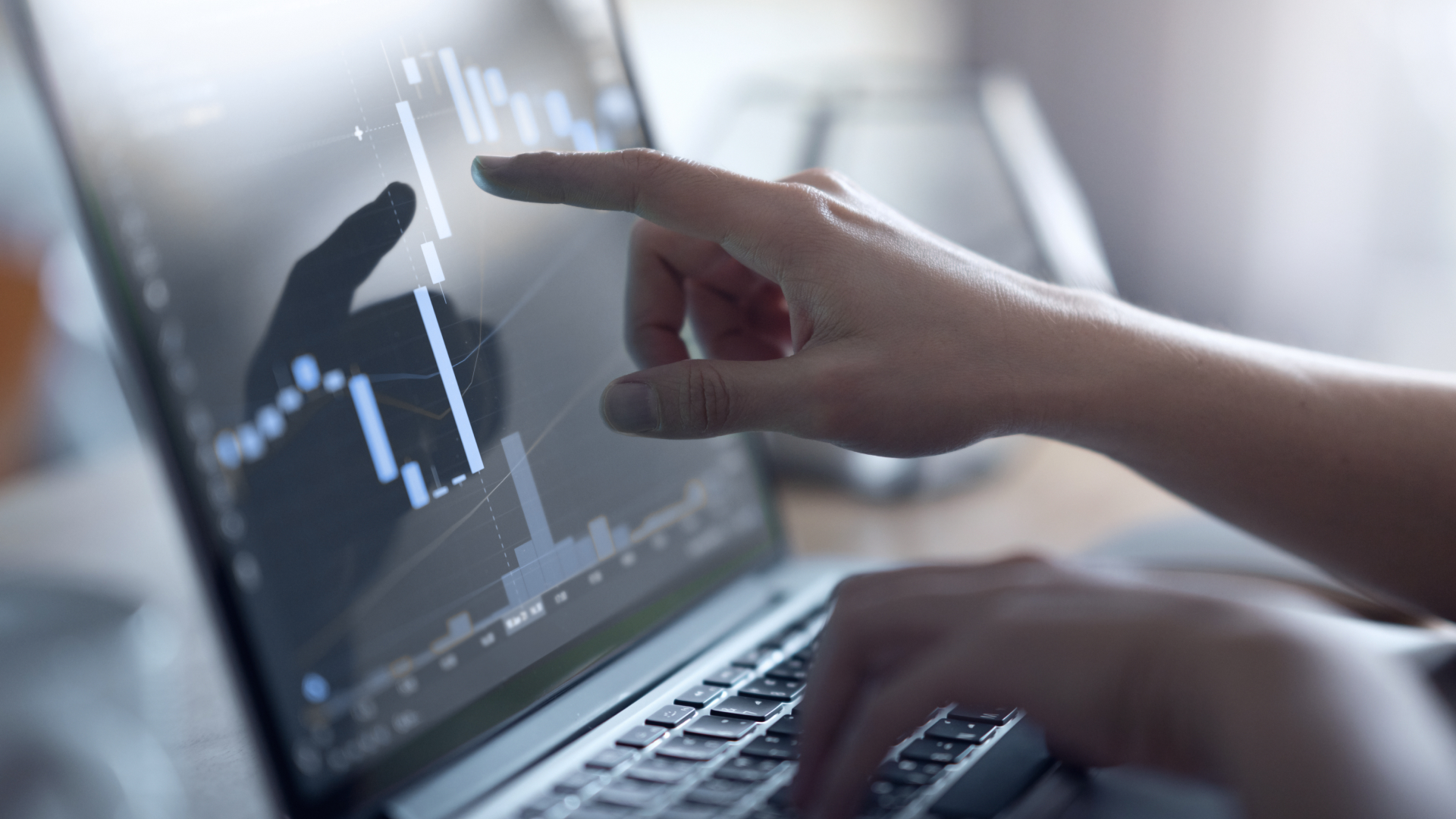
1. Algorithmic trading and artificial Intelligence
Algorithmic trading is a new way to buy and sell stocks. It uses special programs that can quickly process massive amounts of data and make trades faster than people. In the U.S., 70% of all stock market trades are done with algorithms. In London and Frankfurt, computers do most of the trading. AI (artificial intelligence) helps to predict market changes, as machine learning allows for better forecasts.
In big cities like New York and London, companies use AI to make trading better and more profitable. In Southeast Asia, more and more Fintech companies are also demonstrating interest in these technologies. However, AI is yet to become as popular there as in the West due to some issues with the regulations and a low number of people familiar with the technology. Still, the situation in Asia changes as the market gradually improves and people learn how to use AI. For example, AI is widely popular in Singapore, Malaysia, and Indonesia, where new technologies are employed in finance systems to make trading faster. Kar Yong Ang, Octa Broker analyst, states: ‘Singapore is the finance centre of the region and leads in this. Malaysian companies use AI to make trading better. Indonesian companies also use algorithms. But the technology is not as good as in Western countries. The problem is infrastructure and rules’.
2. Blockchain and cryptocurrency
In America and Europe, there are many ongoing discussions about blockchain and cryptocurrency. Blockchain is a new way to conduct money transfers and contracts, making things clearer and safer. Big banks such as JPMorgan Chase and Goldman Sachs use blockchain to improve their systems further. Cryptocurrencies like Bitcoin and Ethereum are currently in demand for trading and investing, and some European countries, like Switzerland and Malta, plan to integrate them into their money system. Naturally, such countries are considered well-suited for new blockchain-using companies. India intends to legitimise the use of cryptocurrencies by creating specific laws for their use in the future. Indian startups like Polygon and WazirX are essential for blockchain technology and crypto: Polygon, for instance, helps Ethereum grow and speed up. Blockchain also gets much attention in South and East Asia. Singapore, a significant financial centre, uses blockchain in its banking and trading. The Singapore government has some fresh ideas for crypto coins and plans to create conditions for crypto startups to grow. In other places like Vietnam and the Philippines, crypto is gaining popularity with investors: people from these countries are actively purchasing crypto coins and using platforms such as PDAX in the Philippines and TomoChain in Vietnam.
3. Fintech and mobile apps
In the U.S. and Europe, there have been many changes to people's behaviour in the financial area. People can already trade and invest on their phones using designated apps. Companies like Robinhood and Revolut make it much easier to buy stocks and crypto—they have a simple interface and low fees. These apps also help traders and investors keep their current funds in sight and stay on top of what is happening in the market.
As one might expect, there's also a need for such financial technologies and apps in South and Southeast Asia. Singapore and Malaysia are leading the way with new ways to look after money and trade it directly from a device. Singapore has great digital banks like Grab Financial Group and SeaBank from SeaGroup. The Malaysian bank has given digital banking licenses to Boost Holdings and RHB Bank: this country is diving into the world of digital finances. People in Indonesia and the Philippines also use mobile apps to monitor and manage their personal funds. Companies like Gojek and Grab are a bit more advanced regarding what users can do with their money, so people can get cash even when there are no actual banks around.
4. Cloud technologies and big data
Cloud technology is a huge factor in American and European banking: banks use it to store massive amounts of information on the cloud and analyse it. It allows them to change promptly with the market, responding to changes of tides in the industry. Big data is also quite important, as it helps to understand what exactly is happening in the market at the given moment. It allows banks to make better trades and provide quality customer service. Amazon Web Services and Microsoft Azure are two well-known companies that have specific solutions for storing information on the cloud. Banks in Southeast Asia are also using such solutions more and more often by the day, improving their financial services. With the help of these technologies, companies can save money on their infrastructure and apply new tools for analysis. Cloud storage and big data are invaluable for companies already making substantial money in the technological sphere as well as for newcomers. In Singapore and Malaysia, banks use cloud platforms for data. They can utilise the platforms to refine their working process and are already set for coming market changes. The same is true for banks in Indonesia and the Philippines: banks use cloud technology to improve their work and make better decisions.
Overall, new tech is already transforming the financial world globally. In developed countries like the U.S. and Europe, it's already fair to say that finance is all about modern tech, while in emerging markets like Southeast Asia, people are still getting used to it.
Algorithmic trading and AI are taking off. They're improving trades, making them faster and more accurate. Blockchain and crypto are opening up new ways to trade and invest as modern Fintech products and mobile apps make financial services more convenient for casual customers. Cloud tech and big data are also helping companies run better in this context, and countries in South and Southeast Asia are playing a major part in the development of financial technology globally. According to Kar Yong Ang, Octa Broker analyst, with more and more people interested in innovative solutions, and with improvements to the regulatory landscape, these regions are continuing to grow and adapt to meet the demands of today's financial markets.
Hashtag: #Octa
The issuer is solely responsible for the content of this announcement.
Octa
Octa is an international broker that has been providing online trading services worldwide since 2011. It offers commission-free access to financial markets and various services used by clients from 180 countries who have opened more than 52 million trading accounts. To help its clients reach their investment goals, Octa offers free educational webinars, articles, and analytical tools.
The company is involved in a comprehensive network of charitable and humanitarian initiatives, including the improvement of educational infrastructure and short-notice relief projects supporting local communities.
In the APAC region, Octa received the ‘Best Trading Platform Malaysia 2024’ and the ‘Most Reliable Broker Asia 2023’ awards from Brands and Business Magazine and International Global Forex Awards, respectively.


 Daily Bulletin


