

QIC shares insights in Europe on the significant opportunities in decarbonisation and decentralisation
- Written by: Daily Bulletin
- Published in News from Asia
BERLIN, GERMANY - Media OutReach Newswire - 22 March 2024 - Queensland Investment Corporation (QIC) this week participated in the annual Infrastructure Investor Global Summit which took place in Berlin from 18-21 March 2024.
A large contingent from QIC's London, New York and Australian offices were in attendance for what is the largest infrastructure investment gathering annually. 
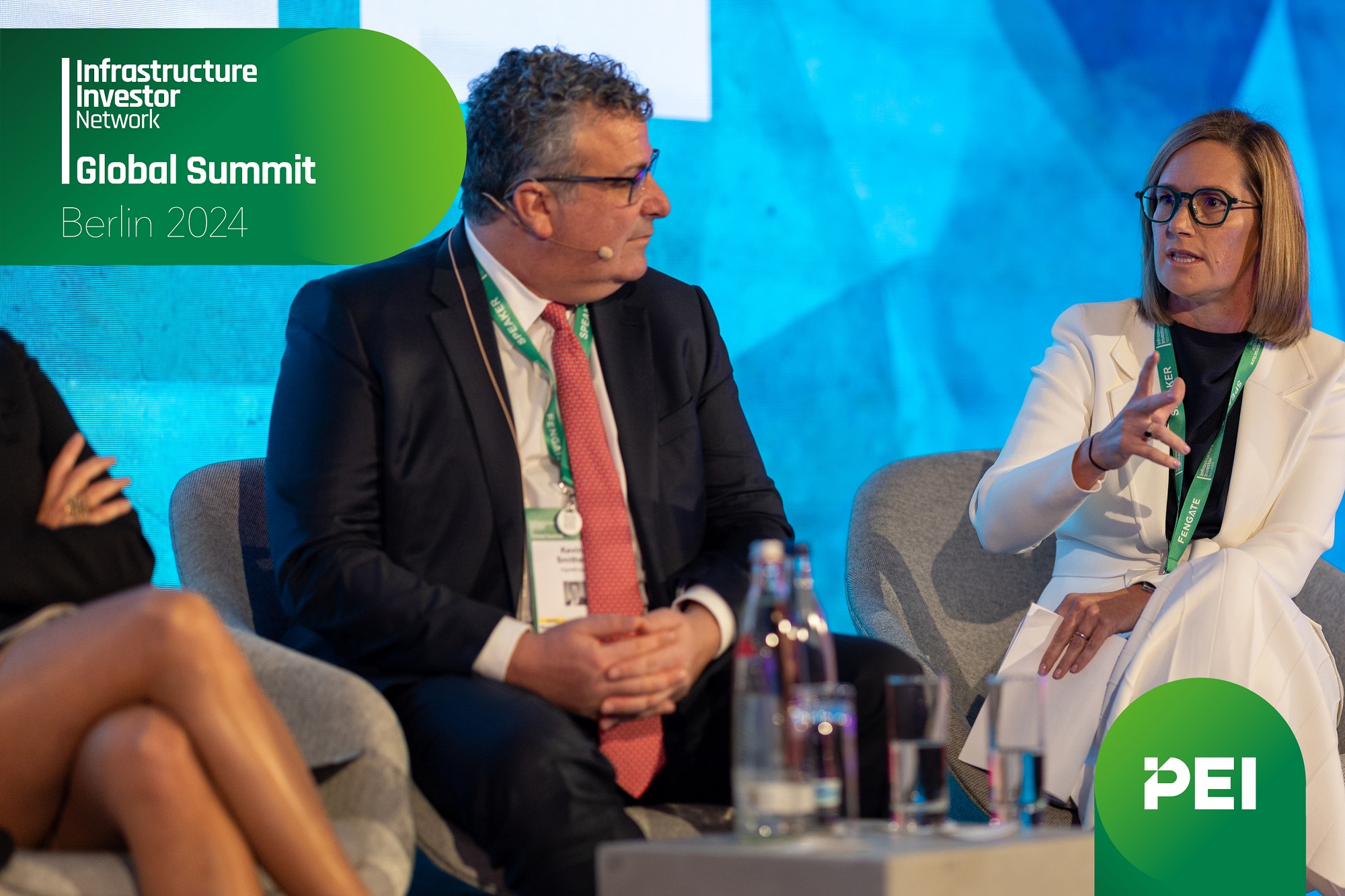
Kirsten Whitehead, Partner, QIC Infrastructure spoke on the opening keynote panel "Embracing Infrastructure's Key Strengths in a Challenging Environment" which focused on finding relative value, the importance of partnerships, value preservation and value creation.
She described the need to bolster asset resilience to climate risk as not just prudent but 'pivotal' for sustainable progress, and emphasised Australia's compelling energy transition landscape.
"Australia is an attractive infrastructure investment destination with a stable and open economy, rich in critical minerals, good trade ties, and a pipeline of attractive infrastructure investment opportunities," said Ms Whitehead. "With portfolio companies including some of Australia's leading renewable energy and sustainable off grid power solutions businesses, we have an important role to play in Australia's energy transition which will need to be delivered through a decentralised solution."
On the panel, Ms Whitehead also mentioned that significant opportunities lie in the intersection between decarbonisation and other key thematics such as decentralisation and digitisation. "When considering these opportunities in an Australian context, they converge to shape an enormous opportunity set."
Arash Shojaie, Senior Principal, QIC Infrastructure also shared insights on a panel called "Investing in Energy: Opportunities in Infrastructure created by the Transition" which covered macro impacts such as deglobalisation on the energy transition agenda and decarbonising the economy beyond just renewables.
"Advances in renewable energy and storage technologies have led to an evolution of the electricity ecosystem with a range of investment opportunities from renewable energy generation to transmission, ancillary infrastructure services, storage, distribution, consumer needs, electric transport and more," said Mr Shojaie on the panel. "The primary challenge is how we combine and sequence the available technologies and applications that enable the energy transition; and how policy makers and capital allocators bring these elements together."
Other topics that arose during the summit included funding the energy transition. As companies and governments around the world set ambitious targets for carbon reduction, one of the main hurdles to achieving these goals is securing financing. For this reason, the global shift to renewable energy is one of the most important themes driving new deal flow for QIC's direct infrastructure lending programme.
In addition, the relative value of junior infrastructure debt is currently attractive given its performance in the macro environment and the considerable level of transaction activity occurring across refinancing, growth capex requirements and M&A activities.
QIC deploys a thematic infrastructure investment strategy, focusing on the key themes of decarbonisation, deglobalisation, decentralisation and an ageing population. Its sector-centric investment focus is on Energy and Utilities, Transport and Social and Healthcare.
Hashtag: #QIC
The issuer is solely responsible for the content of this announcement.
About QIC Infrastructure
QIC is a long-term infrastructure investor with an established international platform, an active management approach and a strong 17-year track record. With an international team of 84 professionals across five offices, QIC Infrastructure manages A$32.8bn (US$22.4bn) across 22 international direct investments and has realised in excess of A$15.2bn back to its clients. QIC manages A$7.1bn in Australian energy assets across the energy value chain (as at 31 December 2023).
About QIC Private Debt
QIC Private Debt offers institutional investors exposure to diversified debt investments across infrastructure (within the OECD), and corporate, asset-backed securities and real estate sectors (in Australia/New Zealand). Established in 2021, QIC Private Debt now has over US$1bn of assets under management and committed capital, split across Multi-Sector Private Debt (~US$600m) and Private Debt Infrastructure (~US$400m) offerings (as at 31 December 2023).
About QIC
QIC is a long-term specialist manager in alternatives offering infrastructure, real estate, private capital, liquid strategies and multi-asset investments. It is one of the largest institutional investment managers in Australia, with A$106bn (US$72.5bn) in funds under management. QIC has over 900 employees and serves approximately 115 clients. Headquartered in Brisbane, Australia, QIC also has offices in Sydney, Melbourne, New York, San Francisco, London and Singapore (as at 31 December 2023). For more information, please visit: www.qic.com
About the Infrastructure Investor Network Global Summit
Website: Infrastructure Investor Network Global Summit | PEI Events
This year's annual Infrastructure Investor Global Summit took place in Berlin from 18-21 March. It brought together 3,000+ of the world's leading investors, managers and strategic partners for unrivalled networking opportunities and unmatched content. Attendees were able to create new synergies, uncover new opportunities and help shape the future of infrastructure on a global scale. All in one place, across four days.
IMPORTANT INFORMATION
QIC Limited ACN 130 539 123 ("QIC") is a wholesale funds manager, and its products and services are not directly available to, and this document may not be provided to any, retail clients. QIC is a company government owned corporation constituted under the Queensland Investment Corporation Act 1991 (QLD). QIC is also regulated by State Government legislation pertaining to government owned corporations in addition to the Corporations Act 2001 (Cth) ("Corporations Act"). QIC does not hold an Australian financial services ("AFS") licence and certain provisions (including the financial product disclosure provisions) of the Corporations Act do not apply to QIC. Other wholly owned subsidiaries of QIC do hold AFS licences and are required to comply with relevant provisions of the Corporations Act. QIC also has wholly owned subsidiaries authorised, registered or licensed by the United Kingdom Financial Conduct Authority ("FCA"), the United States Securities and Exchange Commission ("SEC") and the Korean Financial Services Commission. For more information about QIC, our approach, clients and regulatory framework, please refer to our website www.qic.com or contact us directly.
For more information about QIC, our approach, clients and regulatory framework, please refer to our website www.qic.com or contact us directly.
The statements and any opinions in this document (the "Information") are of a general nature and for commentary purposes only and do not take into account any investor's personal, financial or tax objectives, situation or needs. The Information is not intended to constitute and should not be relied on as personal legal or investment advice and it does not constitute, and should not be construed as, an offer to sell or solicitation of an offer to buy, securities or any other investment, investment management or advisory services.


 Daily Bulletin


