

Robot Trading and Automation: Does Automated Trading Really Work?
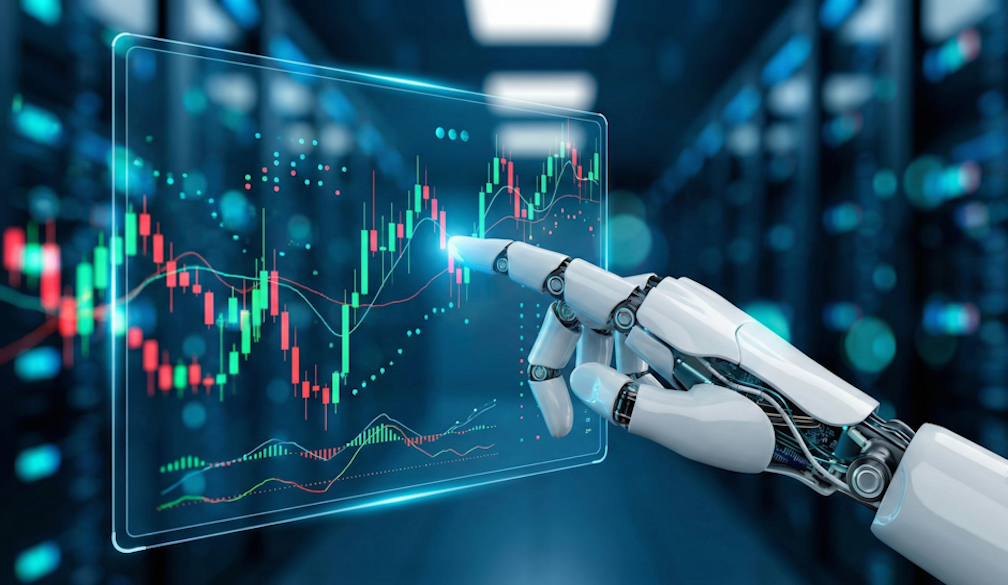
In today’s fast-moving financial markets, many new and experienced traders wonder whether automated trading systems — often called trading robots, expert advisors (EAs), or algorithmic bots — can really deliver reliable profits. The promise sounds irresistible: let a robot analyse markets, place trades, manage risk, and work 24/7 without emotion or fatigue. But does automated trading actually work in real-world markets? And more importantly, should you rely on it as your primary trading method? This comprehensive guide explains the truth behind trading robots and what every trader must know before trusting automation with their capital.
What Is Automated Trading?
Automated trading is the use of software or algorithms to execute trades on behalf of the trader based on predefined rules and conditions. These systems analyse price patterns, technical indicators, or market movements and place trades automatically without human intervention.
The concept is simple: instead of manually analysing charts, clicking buy or sell, or managing stop-losses, a computer does all the work according to your programmed strategy. Automated trading ranges from simple retail robots sold online to highly complex institutional algorithms used by hedge funds. While technology can enhance efficiency, the effectiveness of automation depends entirely on the quality of the strategy behind it.
Why Do Traders Turn to Robot Trading?
Traders turn to robot trading because it promises convenience, speed, consistency, and emotion-free execution — factors that many beginners struggle to manage.
Bots don’t panic when the market spikes, don’t hesitate at entries, and don’t violate rules due to fear or greed. This psychological stability is appealing, especially to traders frustrated by emotional losses.
Automated systems also allow trading 24/7, scanning multiple markets simultaneously. But the appeal of automation often overshadows the crucial truth: robots are only as good as the logic programmed into them, and markets change frequently.
Does Automated Trading Really Work?
Automated trading works only when the underlying strategy is strong, tested, adaptable, and managed by an experienced trader — but most retail robots fail because they are built on rigid, outdated patterns.
Many robots are optimised to perform well only in specific market conditions, often through “curve-fitting” — meaning they are programmed to excel using past data, not future volatility. When real markets shift, these robots often collapse.
This is why institutional algorithms succeed: they are backed by ongoing research, continuous optimisation, and expert oversight. Retail bots, on the other hand, are often “set-and-forget” systems. Without human analysis and adjustment, they eventually break.
Why Do Most Trading Robots Fail?
Most trading robots fail because they cannot adapt to changing market behaviour, and they are usually based on indicator-heavy strategies that lag behind real price action.
Markets are not static. They shift between trends, ranges, consolidations, expansions, and news-driven volatility. A robot programmed for one environment cannot react intelligently to another.
Other reasons bots fail include:
- Over-optimised backtesting
- Lack of real forward-testing
- Poor risk management
- Excessive trade frequency
- Inability to interpret context or psychology
Professional traders know that market structure, liquidity flow, and institutional behaviour cannot be captured through a fixed formula. This is why real expertise, not automation alone, drives long-term success.
Are Humans Better Than Robots in Trading?
Humans are better than robots at interpreting context, psychology, sentiment, and unexpected events — but robots outperform humans in speed and discipline.
For example:
- A robot can place 10 trades in milliseconds.
- A human can identify early signs of reversal before indicators show anything.
- A robot never breaks rules.
- A human can recognise when market conditions are no longer suitable for a strategy.
The most successful traders use a hybrid approach: automation for repetitive tasks, human skill for decision-making. This combination strengthens discipline while retaining strategic intelligence.
Should Beginners Use Trading Robots?
Beginners should avoid using robots until they understand market structure, risk management, and strategy logic — otherwise they risk losing money without knowing why.
Automation cannot replace education. If you don’t know how to trade manually, you won’t know whether a robot is performing well or whether its strategy even makes sense.
This is why at N P Financials we encourage every new trader to build foundational skills first:
- Reading price action
- Understanding support and resistance
- Recognising market phases
- Applying rule-based strategy
Once these fundamentals are strong, traders can then explore automation with proper knowledge and guidance.
What Are the Benefits of Automated Trading?
Automated trading offers real benefits when used correctly, including:
- Speed and efficiency
- Consistent rule-following
- Reduced emotional interference
- Ability to monitor multiple charts
- 24/7 operation in markets like Forex and Crypto
These advantages support disciplined trading, especially for strategies that rely on precise timing or frequent entries.
What Are the Risks of Automated Trading?
The risks of automated trading include over-optimisation, dependence on technology, lack of adaptability, and the possibility of rapid losses during unusual volatility.
A robot cannot know when a major economic announcement is seconds away. It cannot sense when liquidity thins or when global sentiment shifts.
Technical risks also exist:
- Platform errors
- Internet outages
- Execution delays
- Broker manipulation of spreads
Without human supervision, automated systems can cause significant damage.
Can You Make a Living Using Robot Trading?
You can make a living using robot trading only if you understand the strategy, test it thoroughly, adjust it regularly, and supervise execution — but relying solely on robots without skill is unsustainable.
Professional traders use automation as a tool, not a replacement for expertise. They constantly refine their algorithms based on new data and market behaviour.
Retail traders who rely on purchased bots without understanding them often experience early success followed by sudden breakdowns.
About the Author
Partha Banerjee – Founder & Head Trader, N P Financials
Partha brings more than 30,000 hours of Market Research & Development, specialising in rule-based strategies, technical analysis, and professional asset trading. His credentials include:
- Certified Financial Technician (CFTe)
- Diploma of Technical Analysis
- DER (GA) – Derivatives (General Advice)
- Tier 1 & Tier 2 Technical Analysis
- Foreign Exchange (Personal Advice)
- Advisor Compliance Solution in Specialist Knowledge – Securities
- Diploma of Financial Planning
Having trained over 33,000 traders globally, Partha is recognised as one of Australia’s leading trading educators, helping traders transition from emotional decision-making to structured, consistent performance.
Connect with Us
When you need support, we’re here for you. Reach out through any of the following channels:
- Contact Us: Visit our website or drop by our office.
- Email: info@npfinancials.com.au
- Live Chat: Connect with our experts in real time.
- Phone: +61 3 9790 6476
- Mobile: Available anytime.
- WhatsApp, Messenger, SMS, Telegram, Discord: Choose your preferred platform.
Disclaimer:


 Daily Bulletin


