

5 Tips for Maintaining Outdoor Furniture in Rentals
Think outdoor furniture is low-maintenance? Tell that to the sun, the rain, and the occasional possum that decides to test it out.
If you’re managing a property, that outdoor setup isn’t just for show—it’s part of the value proposition. Neglect it, and you’re burning money.
The good news is that a little care can turn it from weathered and wobbly to a feature tenants actually want to use. Ready to keep your investment looking great for years instead of months? Keep reading.
1. Choose Durable Materials
Not all outdoor furniture is built to survive the Aussie elements. Some pieces look great in the shop, then fall apart after their first summer.
Metals like aluminium, especially when coated with a durable powder finish, hold up well against rust and shifting weather. Teak is also a great pick, since it’s moisture-resistant, pest-repelling, and tough as nails.
Similarly, recycled plastic is practically indestructible and sustainable, which matters to tenants who prefer eco-friendly choices.
Avoid cheap pine, thin plastics, or anything that looks good only for a month because these are false savings. You’ll spend more replacing them than you would on a solid investment upfront.
Don’t know where to get your furniture? Local garden centres often offer sturdy brands without inflated prices. And don’t sleep on second-hand markets, as some older pieces can outlast new budget options.
If you’re buying in volume, many suppliers offer rental-specific discounts. It might hurt your wallet upfront, but over five years, the savings really add up.
2. Set a Regular Cleaning Routine
Outdoor furniture might be sturdy, but it’s not invincible. If you leave it too long without cleaning, you’ll end up with cushions that smell like damp socks and tables that look like they’ve been through a dust storm.
You don’t even have to waste your entire weekend cleaning them. A washdown every two weeks is enough to remove grime and seriously extend the pieces’ lifespan.
Just ditch those harsh chemicals completely. They fade vibrant colours and bleach the life out of everything. Instead, you can use gentle soap mixed with water to preserve that polished finish.
For heavily used items, you can opt for soft cloths or delicate brushes to avoid scratching these valuable surfaces.
As long as you stick to this simple cleaning schedule, you can skip costly deep cleans or fixes, keeping your furniture looking great and making the place more inviting for tenants.
3. Protect It from the Elements
Your outdoor furniture might look tough, but left unprotected, it’ll be only one season away from retirement.
Weather damage is a slow killer. It starts with fading, cracking, and then full structural failure. So, why settle for frequent replacements when there’s a cheaper fix?
Covers
Covers are your first line of defence. They shield your pieces from rain, stop fading from the sun, and keep dirt off. Just make sure the covers let air through to stop mould from taking hold.
While getting good-quality covers might seem pricey, it's worth it because you’ll save money on repairs or buying new items.
Special Treatments
Covers are a great start, but they’re not enough on their own to protect your furniture from the wild Aussie weather.
For an extra layer of protection, you can apply ultraviolet treatments and water repellents. Whether you’re more concerned about scorching summer days or autumn downpours, these solutions handle it all wonderfully.
Just pop into your local hardware store. They stock decent brands that won't cost you an arm and a leg.
Before grabbing anything off the shelf, though, skim through some online feedback first. This way, you will make sure you're getting something suitable for your particular setup.
Smart Storage
When the weather really turns, the best you can do is simply get your furniture out of harm’s way.
So, stack lightweight chairs in a shed, garage, or even under a sturdy awning. For heavier pieces, shift them off pavers and onto a covered deck to stop moisture damage and rot.
4. Address Minor Repairs
Once your furniture is safe from the weather, the next battle is wear and tear. Every wobbly chair starts with one loose bolt, and if you leave it, that chair’s next stop will be the kerb.
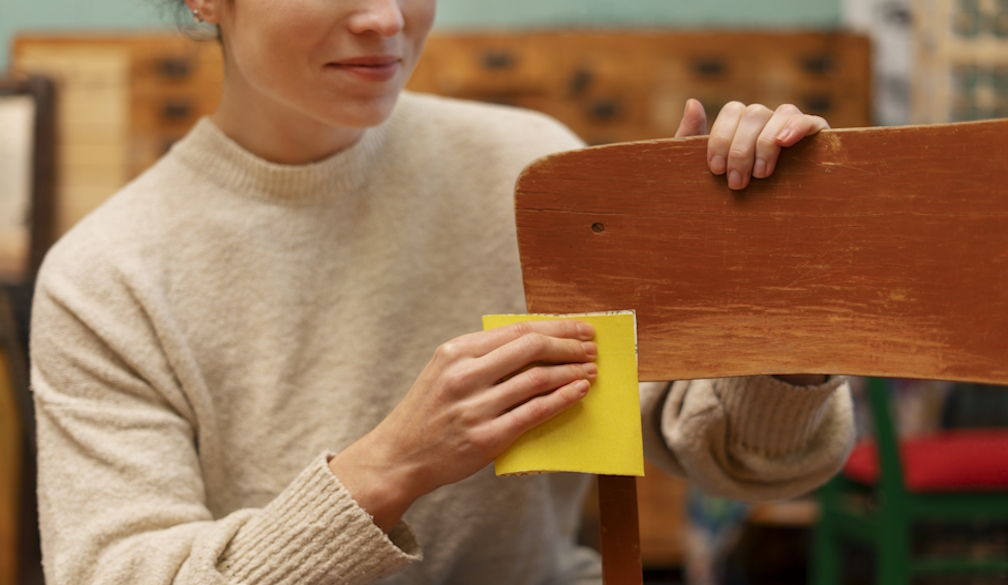
The good news is that most problems are easy to fix if you catch them early. This is why you should keep a basic toolkit, including a screwdriver, a wrench, sandpaper, and a tube of wood glue, nearby.
Once you have your supplies, tighten the bolts before they strip, smooth the rough edges with sandpaper, and glue small splits before they spread.
It’s the kind of low-effort habit that will make you look like that landlord who has everything under control, without actually breaking a sweat.
5. Prepare for Seasonal and End-of-Tenancy Checks
Season changes are the natural checkpoint for outdoor furniture. Spring means prepping for use, and autumn means shutting things down or switching to storage mode.
During transitional periods like springtime and fall, you should check your patio pieces. Look for corrosion, colour loss, and fungal growth.
If you spot some rust, it’ll respond well to specialised removal sprays. As for weathering and discolouration, you can coat your items with a protective sealant every 3-6 months, as we've mentioned.
Found some fungus? Mix bleach with water in a 1:10 ratio, apply it for 5 minutes, then wipe it off.
Aside from seasonal checks, nobody enjoys those last-minute, tense inspections. So, here’s how to level up: If tenants are moving out soon, you can suggest that they hire a move-out cleaning company to handle the outdoor area.
A professional team will deep clean, flag any issues, and treat surfaces properly to make the space ready for the next lease. To make life easier, you can even recommend trusted local providers.
Conclusion
Your rental’s outdoor area isn’t background scenery. It’s the main stage that tenants notice straight away. And the better it looks, the more renters will want to be part of the show.
So, don’t wait for rust, rot, or complaints to force your hand. Start now, and let your outdoor space work as hard as the rest of your property.


 Daily Bulletin


