

a guide to coughs in the time of coronavirus
- Written by: Maja Husaric, Lecturer, Victoria University
For centuries, doctors and care givers have listened to the different types of cough in search of clues to help diagnose underlying disease.
Coughs are a valuable diagnostic tool, but how do you know if you’ve got a relatively harmless cough, a coronavirus cough – or something else altogether?
An occasional cough is healthy, but one that persists for weeks, produces bloody mucus, causes changes in phlegm colour or comes with fever, dizziness or fatigue may be a sign you need to see a doctor.
Cough questions
If you’ve gone to see a doctor about a cough, he or she will want to know:
- how long has the cough lasted? Days, weeks, months?
- when is the cough most intense? Night, morning, intermittently throughout the day?
- how does the cough sound? Dry, wet, barking, hacking, loud, soft?
- does the cough produce symptoms such as vomiting, dizziness, sleeplessness or something else?
- how bad is your cough? Does it interfere with daily activities, is it debilitating, annoying, persistent, intermittent?
COVID-19 cough: dry, persistent and leaves you short of breath
The most prominent symptoms of COVID-19 are fever and fatigue, and you may feel like you have a cold or flu. Cough is present in about half of infected patients.
Considering that COVID-19 irritates lung tissue, the cough is dry and persistent. It is accompanied with shortness of breath and muscle pain.
As disease progresses, the lung tissue is filled with fluid and you may feel even more short of breath as your body struggles to get enough oxygen.
Wet and phlegmy or dry and hacking?
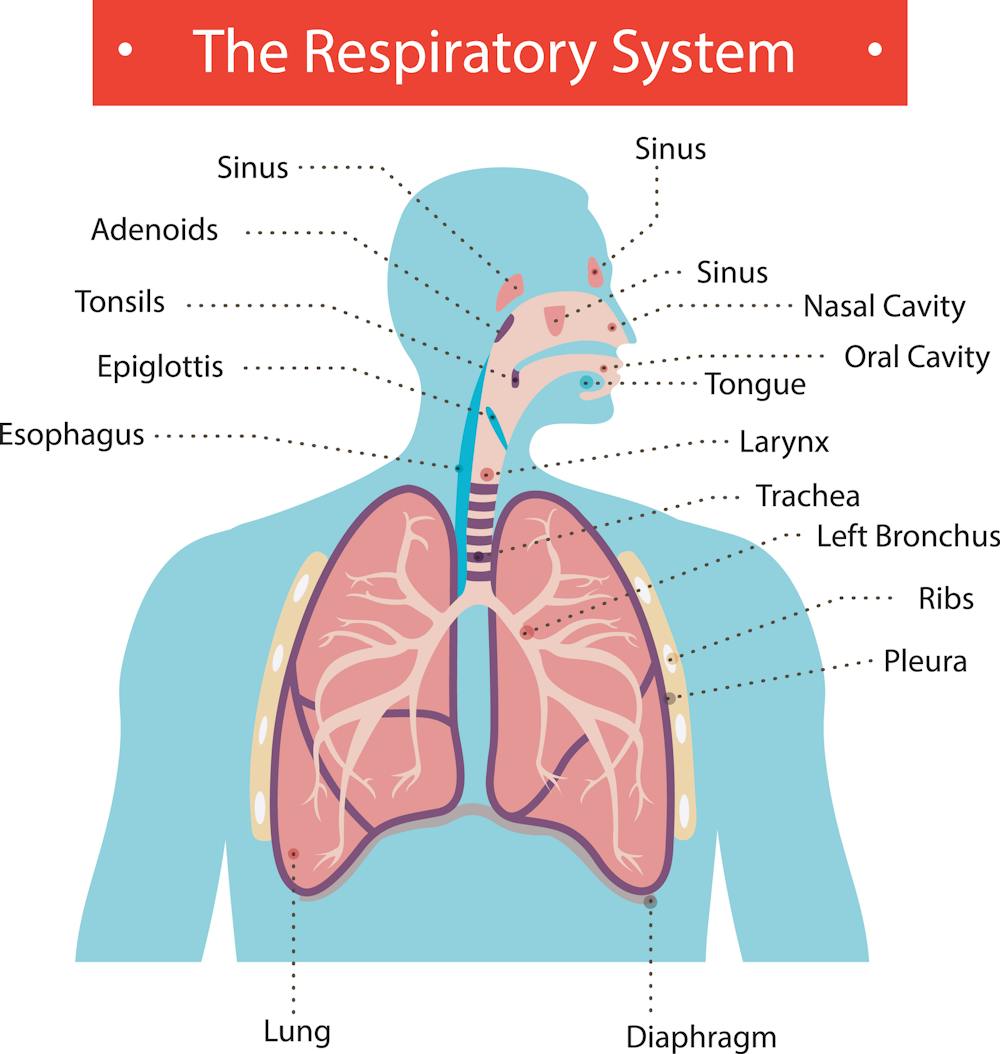
A wet cough brings up phlegm from the lower respiratory tract (the lungs and lower airways, as opposed to your nose and throat) into the mouth.
The “wet” sound is caused by the fluid in the airways and can be accompanied by a wheezing sound when breathing in. The lower airways have more secretory glands than your throat, which is why lower respiratory tract infections cause a wet cough.
A dry cough doesn’t produce phlegm. It usually starts at the back of the throat and produces a barking or coarse sound. A dry cough does not clear your airways so sufferers often describe it as an unsatisfactory cough.
 Shutterstock
Nose and throat infections cause irritation to those areas and produce a hacking dry cough with sore throat. These types of cough are often seen in flu or cold.
Sometimes a cough can start off dry but eventually turn wet.
For example, the lung infection pneumonia often begins with a dry cough that’s sometimes painful and can cause progressive shortness of breath. As infection progresses, the lung air sacs (alveoli) can fill up with inflammatory secretions such as lung tissue fluid and blood, and then the cough will become wet. At this stage, sputum becomes frothy and blood-tinged.
What about whooping cough?
Whooping cough is caused by bacterial infection that affects cells in the airways and causes irritation and secretion.
Symptoms include coughing fits that end in a loud, “breathing in” noise that often sounds like a long “whoop” and leaves you gasping for air. Mucus is often expelled.
Read more:
Does JK Rowling's breathing technique cure the coronavirus? No, it could help spread it
Prolonged, forceful coughing can damage your airways, or cause rib fractures or muscle tears – so it’s important to know when medical help is required.
So whatever your cough sounds like, keep an eye on it and see a doctor (either in person or via a telehealth appointment) if it doesn’t go away or gets worse.
Shutterstock
Nose and throat infections cause irritation to those areas and produce a hacking dry cough with sore throat. These types of cough are often seen in flu or cold.
Sometimes a cough can start off dry but eventually turn wet.
For example, the lung infection pneumonia often begins with a dry cough that’s sometimes painful and can cause progressive shortness of breath. As infection progresses, the lung air sacs (alveoli) can fill up with inflammatory secretions such as lung tissue fluid and blood, and then the cough will become wet. At this stage, sputum becomes frothy and blood-tinged.
What about whooping cough?
Whooping cough is caused by bacterial infection that affects cells in the airways and causes irritation and secretion.
Symptoms include coughing fits that end in a loud, “breathing in” noise that often sounds like a long “whoop” and leaves you gasping for air. Mucus is often expelled.
Read more:
Does JK Rowling's breathing technique cure the coronavirus? No, it could help spread it
Prolonged, forceful coughing can damage your airways, or cause rib fractures or muscle tears – so it’s important to know when medical help is required.
So whatever your cough sounds like, keep an eye on it and see a doctor (either in person or via a telehealth appointment) if it doesn’t go away or gets worse.
Authors: Maja Husaric, Lecturer, Victoria University


 Daily Bulletin


