

Is your mental health deteriorating during the coronavirus pandemic? Here's what to look out for
- Written by: Michaela Pascoe, Postdoctoral Research Fellow in Exercise and Mental Health, Victoria University
Medicare-subsidised psychology and psychiatry sessions, as well as GP visits, can now take place via phone and video calls – if clinicians agree not to charge patients out-of-pocket costs for the consult.
The changes are part of a A$1.1 billion coronavirus health funding package, announced yesterday, which includes A$74 million for mental health support services, including Kids Helpline, Beyond Blue and Perinatal Anxiety & Depression Australia.
Read more: All Australians will be able to access telehealth under new $1.1 billion coronavirus program
Before the pandemic, one in five Australians experienced mental ill-health every year.
But the uncertainty and instability around coronavirus has the potential to exacerbate existing anxiety and depression and contribute to the onset of new mental health problems.
So what are some of the signs your mental health might be declining during the pandemic? And what can you do about it?
What are the signs of anxiety and depression?
Mental illness results in physical changes as well changes in thinking, feelings and behaviours.
Anxiety
Common physical signs for anxiety include increased heartbeat or butterflies in the stomach.
People might think they’re unable to cope, and may feel scared, restless, or stressed out.
Behavioural signs might include avoiding people or withdrawing, or being agitated, aggressive or using substances.
Even in the absence of a mental illness, many people will experience some of these symptoms during the pandemic.
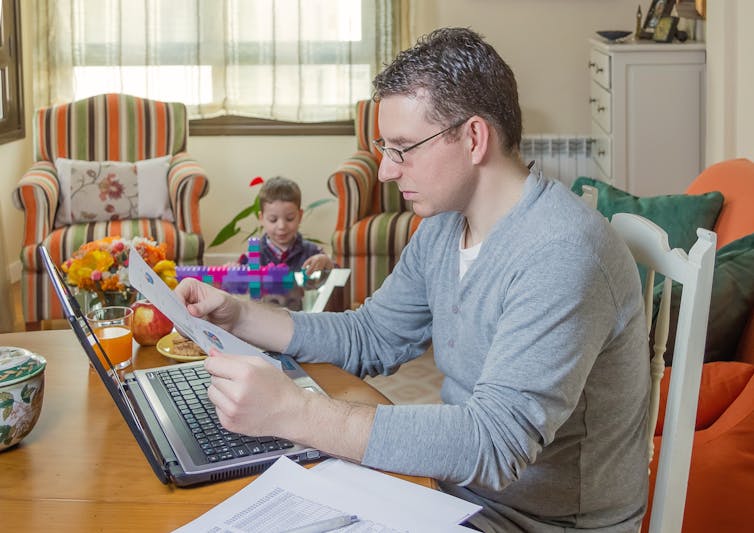 It’s normal to feel stressed and that you’re not coping very well – up to a point.
Shutterstock
It’s normal to feel stressed and that you’re not coping very well – up to a point.
Shutterstock
Depression
Common physical changes for depression might be changes in sleep, appetite or energy.
Emotional effects might include changes in mood, motivation or enjoyment. People might have difficulty concentrating, or experience hopeless or critical thoughts, such as “nothing will get better.”
Behavioural signs might include withdrawing from people or activities, substance use or poorer performance at work or school.
Again, many people who don’t have clinical depression will experience some of these symptoms during the pandemic. You might be feeling stressed, worried, fearful, or ruminate over negative thoughts.
These thoughts and feelings can be difficult to manage, but are normal and common in the short term. But if symptoms last consistently for more than a couple of weeks, it’s important to get help.
Read more: Coronavirus is stressful. Here are some ways to cope with the anxiety
What steps can you take to improve your mental health?
The American College of Lifestyle Medicine highlights six areas for us to invest in to promote or improve our mental health: sleep, nutrition, social connectedness, physical activity/exercise, stress management and avoiding risky substance use.
1. Sleep
Lack of sleep, or poor quality sleep, can contribute to poorer mental health.
Keeping to your usual sleep routine even when your daily life has been disrupted is helpful. Aim to get seven to nine hours of sleep a night.
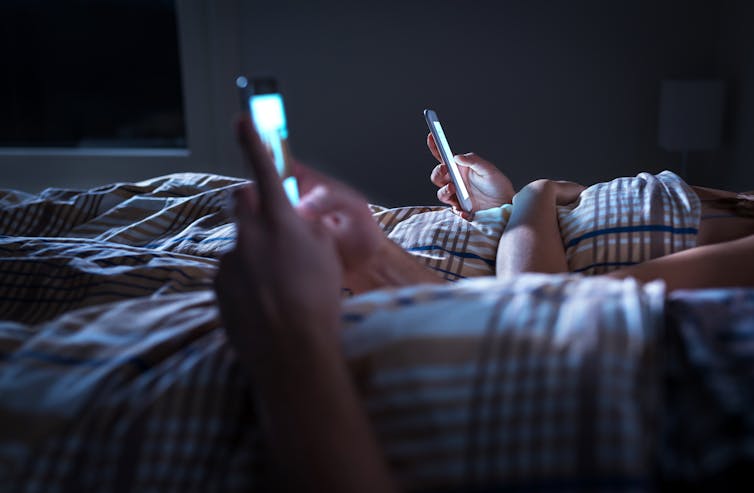 Prioritise sleep for better mental health.
Shutterstock
Prioritise sleep for better mental health.
Shutterstock
2. Nutrition
The food we eat can have a direct impact on our mental health. Try to eat a well-balanced diet rich in vegetables and nutrients.
Where possible, avoid processed food, and those high in saturated fat and refined carbohydrates, which have been linked to poorer mental health.
3. Social connectedness
Being connected to others is important for our mental and physical well-being and can protect against anxiety and depression.
Despite the physical barriers, it’s important to find alternate ways to maintain your connections with family, friends and the community during this difficult time.
Read more: Can't sleep and feeling anxious about coronavirus? You're not alone
4. Exercise
Physical activity decreases anxiety, stress and depression and can be used as part of a treatment plan for people with mental illness.
Regular exercise also improves the function of your immune system and decreases inflammation.
You might need to find different ways of exercising, such as running, walking or tuning into an online class, but try to make physical activity an enjoyable and rewarding part of your daily routine while at home.
Scheduling physical activity at the end of your “work day” can help to separate work from your personal life when working from home.
 Make exercise part of your new daily routine.
Emma Simpson/Unsplash
Make exercise part of your new daily routine.
Emma Simpson/Unsplash
Read more: How to stay fit and active at home during the coronavirus self-isolation
5. Stress management
It’s important to be able to recognise when you’re stressed. You might have feelings of panic, a racing heart or butterflies in the stomach, for example. And then find ways to reduce this stress.
Mindfulness practices such as meditation, for example, can decrease stress and improve mental health. There are a number of breathing exercises that can also help to manage stress.
Spending time outdoors has also been shown to reduce stress. So consider spending time in your backyard, on your balcony or deck, or if possible, take a greener route when accessing essential services.
Talking about your experiences and concerns with a trusted person can also protect your mental health.
6. Avoiding risky substance use
While it might be tempting to reach for alcohol or other drugs while you’re self-isolating, keep in mind they can trigger mental health problems, or make them worse.
The draft alcohol guidelines recommend Australians drink no more than ten standard drinks a week, and no more than four a day.
Read more: Cap your alcohol at 10 drinks a week: new draft guidelines
People who drink more than four standard drinks per day experience more psychological distress than those who do not.
Where to get help
A good place to start is with Beyond Blue, which offers online discussion forums.
If you feel you need additional support, you can make an appointment with your GP and discuss getting a referral to a psychologist or psychiatrist, as well as telehealth and bulk billing options.
If you need immediate support and are in crisis, go to the emergency department of your local hospital, contact your local crisis assessment and treatment team (CATT) or psychiatric emergency team (PET), or call 000.
Other agencies that can help in a crisis are:
- Lifeline telephone counselling, 13 11 14 (24 hours)
- Suicide Call Back Service, 1300 659 467 (24 hours)
- Kids Helpline, 1800 55 1800 (24 hours).
Authors: Michaela Pascoe, Postdoctoral Research Fellow in Exercise and Mental Health, Victoria University


 Daily Bulletin


