

Virtual reality could expand therapy options in remote areas
- Written by: Shiva Pedram, Associate Research Fellow, University of Wollongong
In recent years, experts have focused on finding better ways to improve remotely delivered mental health care.
Now, virtual reality (VR) may pave the way for myriad new opportunities.
Using VR for remote therapy involves conducting “face-to-face” sessions in a virtual environment. This mode of treatment could make counselling more accessible to those living and working remotely.
My colleagues and I published a paper exploring VR’s potential in providing counselling for people in regional areas.
While face-to-face therapy remains the optimal treatment method, we discovered VR-based therapy was more effective than Skype-based counselling.
Taking advantage of available tools
We compared the experiences of 30 participants aged 21 to 63, who participated in both VR-based and Skype-based mock counselling sessions.
To deliver the VR sessions, the participants and trained therapists used the Oculus Go head-mounted display and vTime social networking app. This provided them with a multisensory and interactive VR experience.
Read more: 'Use this app twice daily': how digital tools are revolutionising patient care
We used cartoon-like avatars to represent the two therapists, modelled closely to how they looked in real life.
We then compared participants’ responses in both settings to determine which type of therapy was more engaging, less stressful and preferred overall.
Results were compiled based on factors including a perceived level of “presence” (being there), “co-presence” (being together with the therapist), “social presence” (engaging with each other) and “realism”.
Virtual environments bring real results
On almost all accounts, participants responded greatly in favour of VR-based therapy sessions. The use of VR generated high levels of engagement between client and therapist, without causing stress or feelings of sickness.
Participants reported their virtual experience was consistent with what they might expect from a face-to-face experience. This heightened sense of realism made the interaction more meaningful.
Using a VR avatar also encouraged most participants (22 out of 30) to more freely express themselves without fear of judgement. This was observed in both introverted and extroverted participants.
Our results suggest VR-based telehealth sessions could greatly reduce dropout rates for clients and produce positive clinical outcomes.
Moving beyond standard practice
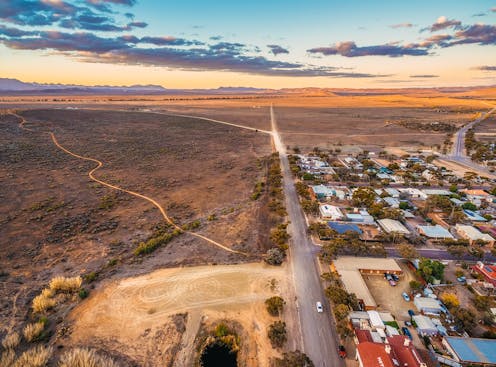
In Australia, around 7 million people live in rural and remote areas. Many either can’t access face-to-face counselling, or have to travel large distances for it.
Remote workers such as mining and construction workers are at greater risk of mental health problems, usually requiring ongoing counselling or psychotherapy.
These individuals often work long hours in harsh climates, and some have to live far from family for extended periods. Accessing quality mental health care can be particularly difficult under such circumstances.
Currently, it’s common to use mobiles and video conferencing to deliver telehealth sessions remotely using programs such as Skype, Zoom and Facetime.
However, one of the biggest challenges with this is that clients are often unmotivated to commit to the treatment.
A phone session using audio without video doesn’t convey important non-verbal cues.
Read more: Why virtual reality won't replace cadavers in medical school
Even with video, the physical distance between a therapist and client can prevent clients from being fully engaged. In this context, engagement refers to the client’s commitment to willingly disclose their thoughts, feelings, problems and history.
This is essential for successful psychological treatment, as past research has found clients displaying lower levels of engagement are more likely to discontinue treatment.
A successful program delivering VR-based mental health services to remote areas would have a far-reaching impact.
Further testing
So far in clinical psychology and psychiatry, the primary focus of VR has been its role in treating anxiety and stress-related disorders, specific phobias, panic disorder, and post-traumatic stress disorder.
Soon, VR may be the next major avenue for remote mental health care delivery.
Moving forward with this technology, one important consideration will be assessing an avatar’s capacity to act and move in a believable manner.
In virtual environments, the use of hyper-realistic avatars can generate cold and eerie feelings (known as Uncanny Valley (UV) effects).
Similarly, avatars that are too unrealistic and cartoon-like could negatively impact a client’s experience.
In the next phase of our research, we will conduct clinical interviews via both VR and face-to-face methods, and measure participants’ physiological responses. This will include monitoring their heart rate, skin conductance (how much they sweat) and reported experiences.
We hope further trials will bring us closer to providing a world-leading VR-based therapy option for Australians living and working remotely.
Read more: Curious Kids: How do you know that we aren't in virtual reality right now?
Authors: Shiva Pedram, Associate Research Fellow, University of Wollongong
Read more http://theconversation.com/virtual-reality-could-expand-therapy-options-in-remote-areas-129187


 Daily Bulletin


