

Read The Times Australia

Daily Bulletin

We built a network of greenhouses and rain shelters to simulate what climate change will do to soils

  • Written by: Anna Hopkins, Lecturer in conservation biology and microbial ecology, Edith Cowan University

As most of the science community knows, the climate emergency is here now. Weather extremes such as droughts and heatwaves are increasing in frequency and intensity and are measurably exacerbated by climate change. The significant impacts of these extremes are well documented on both our native terrestrial and marine ecosystems.

Less documented is what’s happening beneath our feet. Changes below the ground are hard to measure, so most previous research has focused on what can be readily observed above the ground, such as tree deaths.

But soil is a crucial element of the climate system, being the second-largest store of carbon after the ocean. Climate change can result either in an increase in soil carbon storage (through plant growth), or in more carbon being released into the atmosphere (through plant death). Soil is also full of microbes such as fungi, bacteria and algae, and these organisms play a vital role in determining how well an ecosystem functions and how it responds to changes in climate.

Read more: Eyes down: how setting our sights on soil could help save the climate

We have completed one of the first studies to examine the impact of drought and warmer temperatures on living organisms below the ground (known as the soil biota), in biodiverse shrublands in Western Australia, near Eneabba, about 280km north of Perth. These areas are already suffering immense climate-related stress above ground as a result of rising temperatures and longer droughts. This is making these ecosystems extremely vulnerable with many plant species facing likely extinctions in the future.

We documented significant impacts for soil biota too, with implications for the health of ecosystems in regions that are expected to experience increased drought and climate warming in the future.

We found that lower rainfall and higher temperatures are likely to affect the overall composition of soil fungal communities, and that some groups may be lost altogether.

We saw an increase in the number of fungal species that cause plant disease, whereas many common and beneficial fungi declined in response to warming and drying. These beneficial fungi contribute to many important ecosystem processes, such as boosting plant growth, and ensuring that plants get enough water and nutrients such as phosphorus.
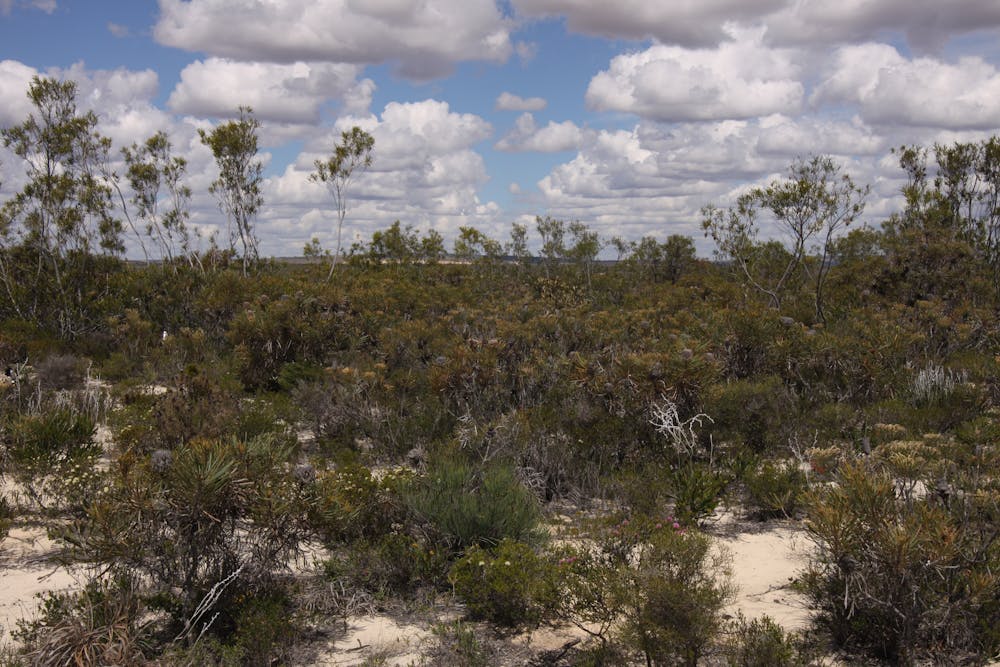
We built a network of greenhouses and rain shelters to simulate what climate change will do to soils Western Australia’s shrublands are already suffering climate stress. Joe Fontaine, Author provided

We built specially constructed shelters and mini-greenhouses over plots of shrubland 4x4m in size, to recreate the drier, hotter weather conditions predicted to arise between now and the end of the 21st century. This allowed us to assess how the projected future climate will affect the composition, richness and diversity of soil fungi.

Our rain shelters consisted of a roof made of gutters, widely spaced so as to intercept about 30% of the rain that fell on the plot and funnel it away.

Read more: We need more carbon in our soil to help Australian farmers through the drought

To study the impact of increased temperature, we enclosed separate plots on the same sites in walls made of transparent fibreglass sheeting. These worked in a similar way to a greenhouse, by reducing air flow and increasing daytime temperatures inside the shelter by 5.5℃.

We left the rain shelters and mini-greenhouses in place for four years. Then we collected soil from each plot and examined the fungi in the soil using DNA sequencing techniques.
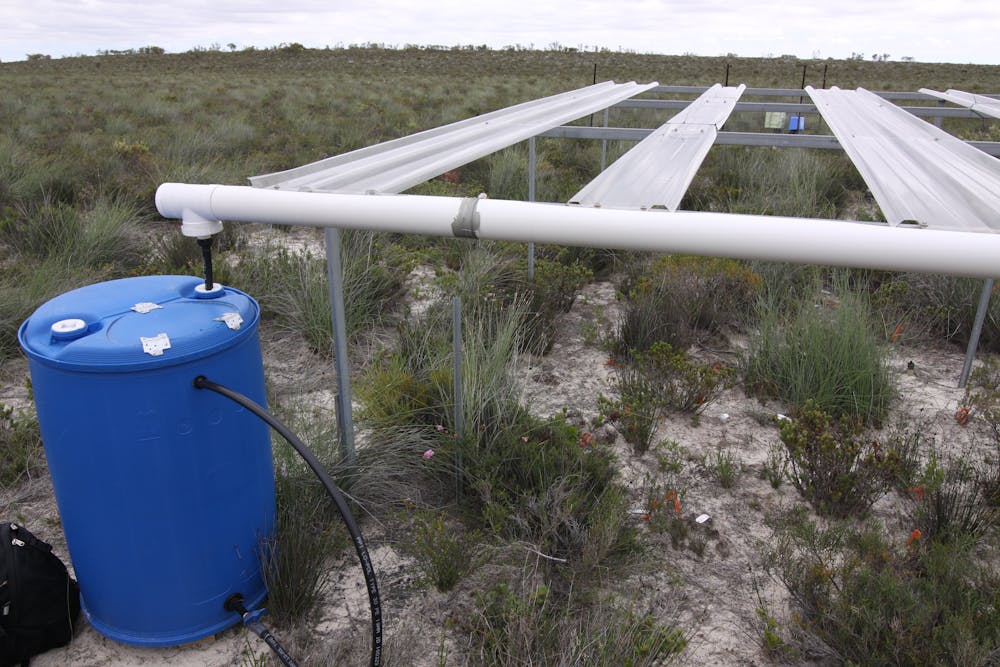
We built a network of greenhouses and rain shelters to simulate what climate change will do to soils How to engineer an artificial drought. Joe Fontaine, Author provided

Our study revealed that it is vital to understand patterns of below-ground ecosystems as well as those we can see, if we are to accurately predict how our shrublands and other valuable ecosystems will be altered by climate change.

Authors: Anna Hopkins, Lecturer in conservation biology and microbial ecology, Edith Cowan University

Read more http://theconversation.com/we-built-a-network-of-greenhouses-and-rain-shelters-to-simulate-what-climate-change-will-do-to-soils-108065

Business News

The Rise of Digital Marketplaces in the Australian Trade Sector

For decades, the Australian trade and construction sector operated almost entirely on word-of-mouth recommendations and local community networks. Small business owners typically relied on local newspa...

Daily Bulletin - avatar Daily Bulletin

How Immigration Lawyers Can Help

Introduction Visa decisions can shape employment, family life, study plans, travel, and future residence. A small omission can lead to delay, added expense, or refusal. Immigration lawyers assess l...

Daily Bulletin - avatar Daily Bulletin

How Industrial Drying Equipment Supports Efficient Processing

Many industrial processes require moisture to be removed from compressed air, products or process materials before they move to the next stage. Excess moisture can affect equipment performance, produc...

Daily Bulletin - avatar Daily Bulletin

Practical Ways a Whiteboard Can Improve Workplace Communication

Effective communication helps teams stay organised, share ideas and keep track of important information. While digital tools are now common in many workplaces, a whiteboard continues to provide a simp...

Daily Bulletin - avatar Daily Bulletin

Designing Eco-Friendly Custom Water Bottles for Your Next Event

The Evolution of Sustainable Event Merchandise Event planning has undergone a massive transformation over the last decade. Gone are the days when organizers could hand out cheap, single use plastic...

Daily Bulletin - avatar Daily Bulletin

Why Choosing a Professional Florist Melbourne Makes Flower Delivery Impactful

Flowers have a great power to speak when humans cannot express their feelings with right words. Flowers are the best gifts when you are celebrating a birthday or welcoming a newborn child into your fa...

Daily Bulletin - avatar Daily Bulletin

The Business Case for Choosing Australian Fabricators Over Imported Alternatives

For a long time, you might have defaulted to overseas suppliers when sourcing fabricated metal components for a project. The unit price was lower on paper, and the maths seemed straightforward. That...

Daily Bulletin - avatar Daily Bulletin

Australian organisations are relying on business continuity plans built for a far more predictable world

Tariff escalations, supply chain fragility, geopolitical events, and the ongoing threat of cyber disruption have reshaped the risk environment facing Australian organisations. The problem is that ma...

Daily Bulletin - avatar Daily Bulletin

How to Rent a Car for Uber in Melbourne: What Every New Driver Needs to Know

Starting out as an Uber driver in Melbourne is not as complicated as it sounds but getting the vehicle right is where most new drivers get stuck. Uber has strict requirements around vehicle age, condi...

Daily Bulletin - avatar Daily Bulletin

The Daily Magazine

What Businesses Can Do to Make Sustainability More Practical Day to Day

Sustainability can sound like a huge corporate project, something tied to annual reports, long-term ...

The Hidden Logistics Behind a Smooth-Running Construction Site

A construction site can look chaotic from the outside. There are machines moving in different direct...

When a Temporary Work Arrangement Starts Looking More Permanent

A lot can change once someone has spent a few years working in the same place. What began as a fixed...

The Real Cost of Launching a Food, Beverage or Supplement Brand in Australia

"How much will it cost to manufacture my product?" is usually the first question a founder asks, a...

Why Aussie Car Owners Are Switching to Paint Protection Film Over Traditional Waxing

For decades, a tin of carnauba wax and a Sunday afternoon were the standard formula for keeping a ...

How Wide Should Running Shoes Be? Signs Your Shoes Are Too Narrow

Running shoes should be wide enough for the forefoot and toes to sit naturally under load, but not...

Trail Running Shoes vs Hiking Shoes: Which Is Better for Australian Trails?

Australia does not offer one neat definition of a “trail.” A weekend walk might mean a hard-packed...

Architectural Window Shading: Solutions for Triangle Blinds, Raked Glazing, and High Ceilings

Mastering Light and Privacy with Specialized Window Coverings Modern architectural de...

From Suburban Streets to Modern Events: Why Australians Still Love the Ice Cream Truck

Did you know Australia consistently ranks among the world's highest ice cream-consuming countries? ...