

Children are our future, and the planet's. Here's how you can teach them to take care of it
- Written by: Wendy Boyd, Senior Lecturer, School of Education, Southern Cross University
As the global climate crisis accelerates, early childhood teachers and researchers are considering whether and how to approach the issue with children. Should we talk openly about the crisis and encourage children to change their daily practices? Or is there a risk that in doing so, we are inflicting anxiety on young minds, still in critical and early stages of development?
The UN sustainable development goals note that children are
critical agents of change and will find in the new goals a platform to channel their infinite capacities for activism into the creation of a better world.
Australia’s quality standards on early childhood education and care call for childcare services to support children to become environmentally responsible. But how can this policy be turned into a living practice?
Contact with nature is a crucial part of sustainability education in early childhood education and care. This helps children develop an appreciation for the Earth and all its inhabitants. Educators in childcare settings can provide a learning culture where children develop skills to take care of nature through play and creativity, without inflicting mass anxiety on them.
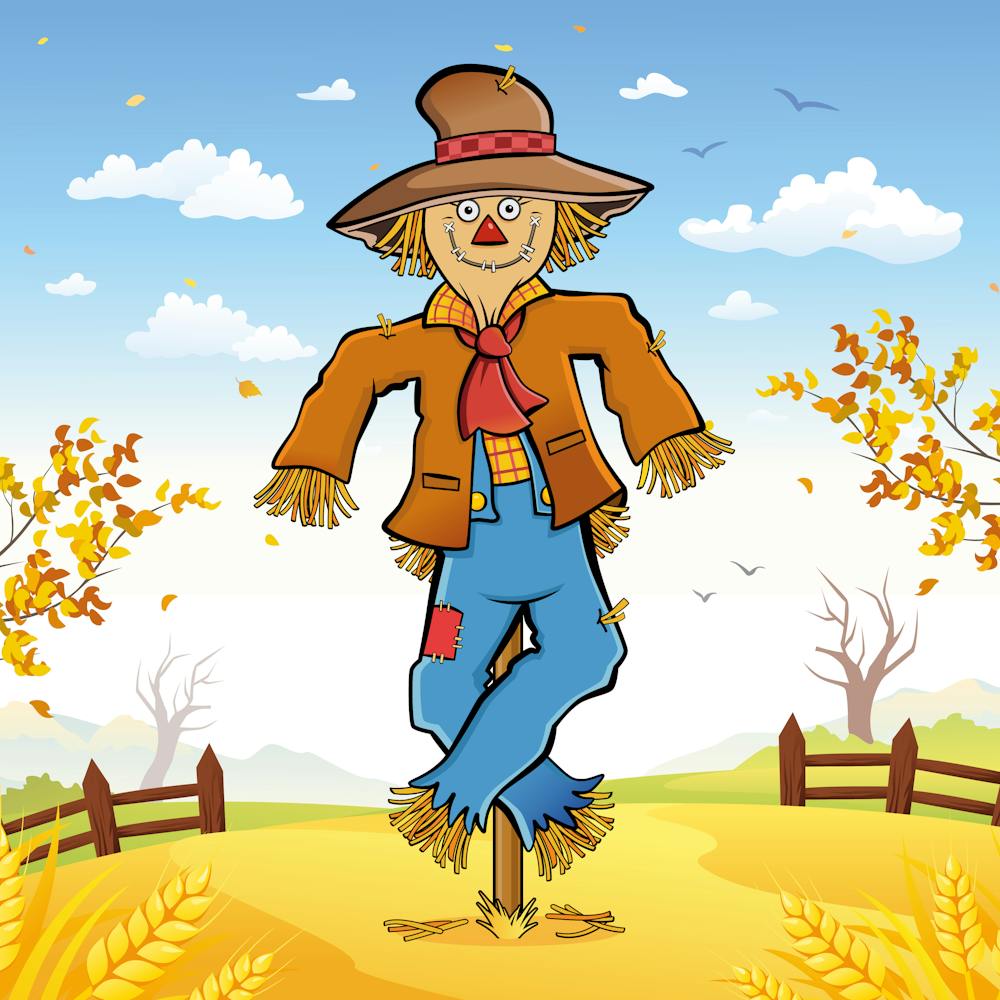 Children could build a scarecrow together, which would engage them in caring for the garden.
from shutterstock.com
Children could build a scarecrow together, which would engage them in caring for the garden.
from shutterstock.com
Programs to helps kids learn
There are many ways in which play can help children to love the world around them. For instance, the nursery rhyme about Dingle Dangle Scarecrow could help engage children in vegetable gardening. Children can pretend the scarecrow will keep the garden safe.
They could build a scarecrow themselves, which would inspire creativity and educate them about the living environment at the same time.
Our recent research (not yet published) explored an educational program with 200 children between the ages of three and five. The children learnt how to sort, reduce and recycle waste into different colour-coded bins. As they sorted food waste, the children also fed chickens and compost worms.
Educators expanded on these activities by telling the children how living things are connected, which the children had themselves witnessed when feeding the chickens and worms. This new knowledge carried over into the children’s home environments, where we found children reminded families about sorting household waste. This then impacted on parents’ recycling practices.
Read more: Being in nature is good for learning, here's how to get kids off screens and outside
In New South Wales a program helped children learn about water. Children in three pre-schools (aged 3-5) were asked to report dripping taps, taught about half-flush toilets and told to advise families to take shorter showers. An evaluation of this program found children had developed courage and agency when it came to water awareness, because their feelings, thoughts, and questions were taken seriously and met with empathy and interest by adults.
From despair to hope
Adults are strong role models for the way children understand the importance of the world around them. If adults act in a respectful way towards animals, and even creatures such as spiders, children will receive the message these creatures are entitled to care and protection.
If you’re quick to swipe a spider in front of a child, this may create biophobia, where creatures are considered as fearsome pests.
Studies have found including sustainability practices into early childhood education may make educators uncomfortable. Studies show educators may have a limited understanding of sustainability issues, and little confidence in teaching such a values-laden topic.
But teachers don’t need to know the ins and outs of climate change to teach children how to respect the planet. They could simply encourage children to play in nature and role model behaviours that show appreciation for the environment.
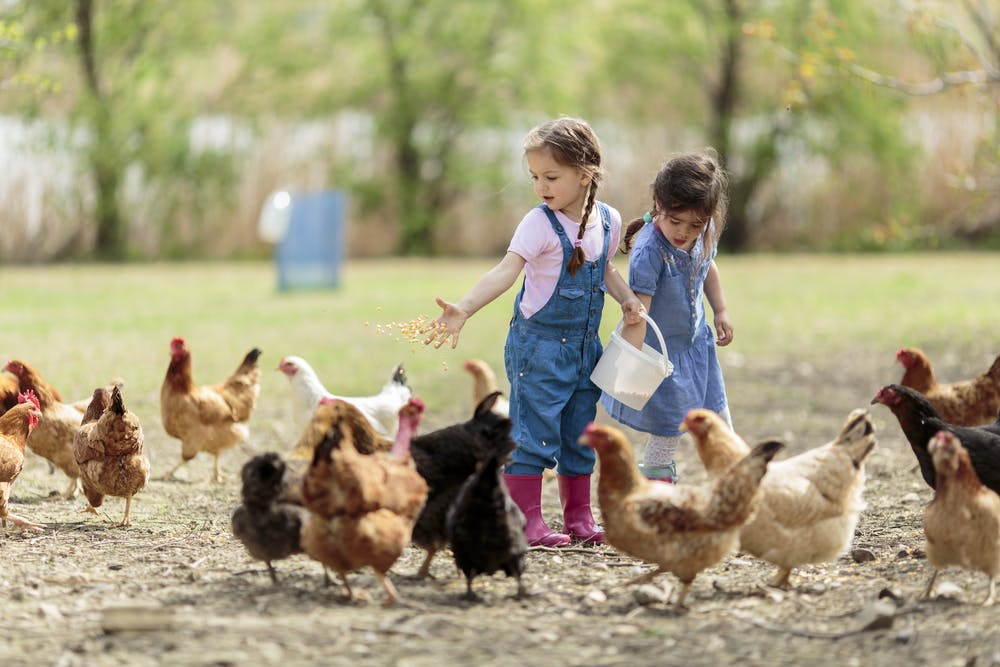 Teaching children we’re all connected can help them understand their role in nature.
from shutterstock.com
Teaching children we’re all connected can help them understand their role in nature.
from shutterstock.com
Finland’s approach to early childhood education and care offers a good case study for how to incorporate sustainability practice into preschool education. The Finnish curriculum is based on a playful learning approach where respectful dialogue between children and adults supports learning.
The curriculum gives teachers tools to meet children´s worries with approaches that encourage actions, which create hope. Young children see themselves as more a natural part of the environment than older children. Teachers can support young children’s actions from this position.
For example, an adult could relocate a spider to a position where it won’t be trod on. Children could then watch to ensure it is safe, which gives them a sense of agency in their environment. In this way, children can feel they have control over the smaller elements of nature and that they can have an effect on it. This gives them a sense of empowerment rather than feeling overwhelmed and helpless, which leads to despair and anxiety.
Read more: Hug a tree – the evidence shows it really will make you feel better
Sustainability education for children can best be approached by helping them understand their place in the web of life, which supports their existence in terms of clean air and water, food and clothes, and other necessities for a decent life.
It’s about fostering a sense of belonging, respect and care for all living creatures, and an understanding of how to handle material resources in a limited world. Sustainability education is about fostering the world-view that we are in this together. Only through our common actions can despair be turned into hope.
Authors: Wendy Boyd, Senior Lecturer, School of Education, Southern Cross University


 Daily Bulletin


