

Why Modular Homes Are the Future of Urban Comfort
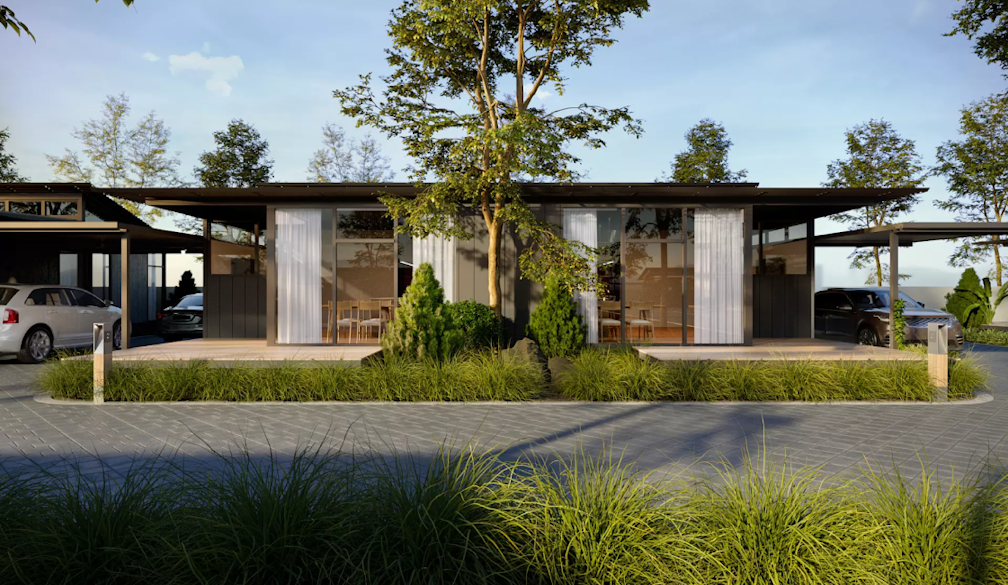
The need for effective, reasonably priced, and environmentally friendly housing has never been higher due to the ongoing growth of metropolitan populations. The fast expansion of cities frequently outpaces traditional construction techniques, which leads to longer construction schedules, higher building costs, and environmental stress. However, a game-changing solution that tackles these issues and redefines contemporary urban life is modular housing. By combining speed, flexibility, and sustainability, modular homes are poised to transform how cities approach residential construction, affording residents a level of comfort and convenience that was traditionally difficult to accomplish in crowded urban areas. If you want to learn more about these types of homes, here are a few things to take into consideration.
Construction Speed and Efficiency
The capacity of modular homes to significantly shorten construction times is one of their most alluring benefits. Modular homes are mostly prefabricated in controlled manufacturing conditions before being delivered to their final assembly location, in contrast to conventional homes that are constructed totally on-site. This method reduces delays brought on by supply chain problems, labor shortages, and bad weather—all of which are frequent problems in conventional building. The capacity to complete a home in a matter of weeks as opposed to months can greatly increase housing supply and affordability in urban areas where land is limited and time is of the essence, thereby satisfying the demands of a fast-expanding population.
Economic Efficiency Without Sacrifice
Another aspect propelling the popularity of modular homes is affordability. By lowering labor costs, material waste, and on-site inefficiencies, factory construction enables developers to pass these savings down to tenants and buyers. Additionally, predictable budgeting is made possible by the streamlined building process, which lowers the possibility of cost overruns, a frequent problem in urban construction projects. On the other hand, practical modular homes are less expensive without sacrificing quality. Contemporary modular homes are made using cutting-edge materials, energy-saving features, and adaptable floor plans, guaranteeing that occupants will live well without having to deal with the high cost of urban housing.
Ecological Impact and Sustainability
Modular homes are more environmentally friendly than conventional building techniques, in addition to being quicker and less expensive. Precise material management is made possible by factory-based production, which drastically cuts down on waste that would otherwise wind up in landfills. Modular homes are an environmentally responsible option since they often include eco-friendly features like solar panels, effective insulation, and low-energy appliances. Modular homes offer a scalable solution that complies with international sustainability standards while preserving the comfort and convenience of urban dwellers in densely populated areas, where lowering the housing sector's carbon footprint is crucial.
Adaptability and Flexibility in Design
More and more urban people are looking for residences that meet their practical and lifestyle needs. Because of its innate adaptability and flexibility, modular homes are excellent in this regard. Architects can effectively utilize the restricted amount of urban land by stacking units vertically or combining them horizontally to create greater living spaces. From open-concept living spaces to multipurpose rooms that support work-from-home arrangements, interior layouts can be altered to fit personal tastes. This adaptability ensures that modular housing can evolve alongside residents’ changing demands, making it a long-term solution for sustainable urban living.
Urban Planning and Community Integration
Modular homes have advantages at the community and city planning levels in addition to personal ones. Their speedy deployment allows for the rapid development of integrated residential neighborhoods, promoting urban densification without compromising public infrastructure or green spaces. In order to create thriving, walkable communities, developers might incorporate modular units into mixed-use developments that combine residential, commercial, and recreational areas. This strategy not only solves the housing problem but also improves urban living in general by developing aesthetically pleasing and functioning neighborhoods.
Modular homes provide a progressive solution that strikes a balance between speed, affordability, sustainability, and comfort as cities struggle with growing populations, rising housing costs, and environmental concerns. Modular homes have the potential to revolutionize urban housing in the contemporary era by simplifying construction, cutting expenses, and offering adaptable, environmentally friendly living areas. Beyond individual residences, they can change entire communities and metropolitan landscapes, making cities more habitable, resilient, and adaptable. Urban planners, developers, and residents may all profit from a future where comfort, convenience, and sustainability coexist harmoniously by adopting modular housing.


 Daily Bulletin


