

How to Avoid Smelly Drains
- Written by: Samantha Ball
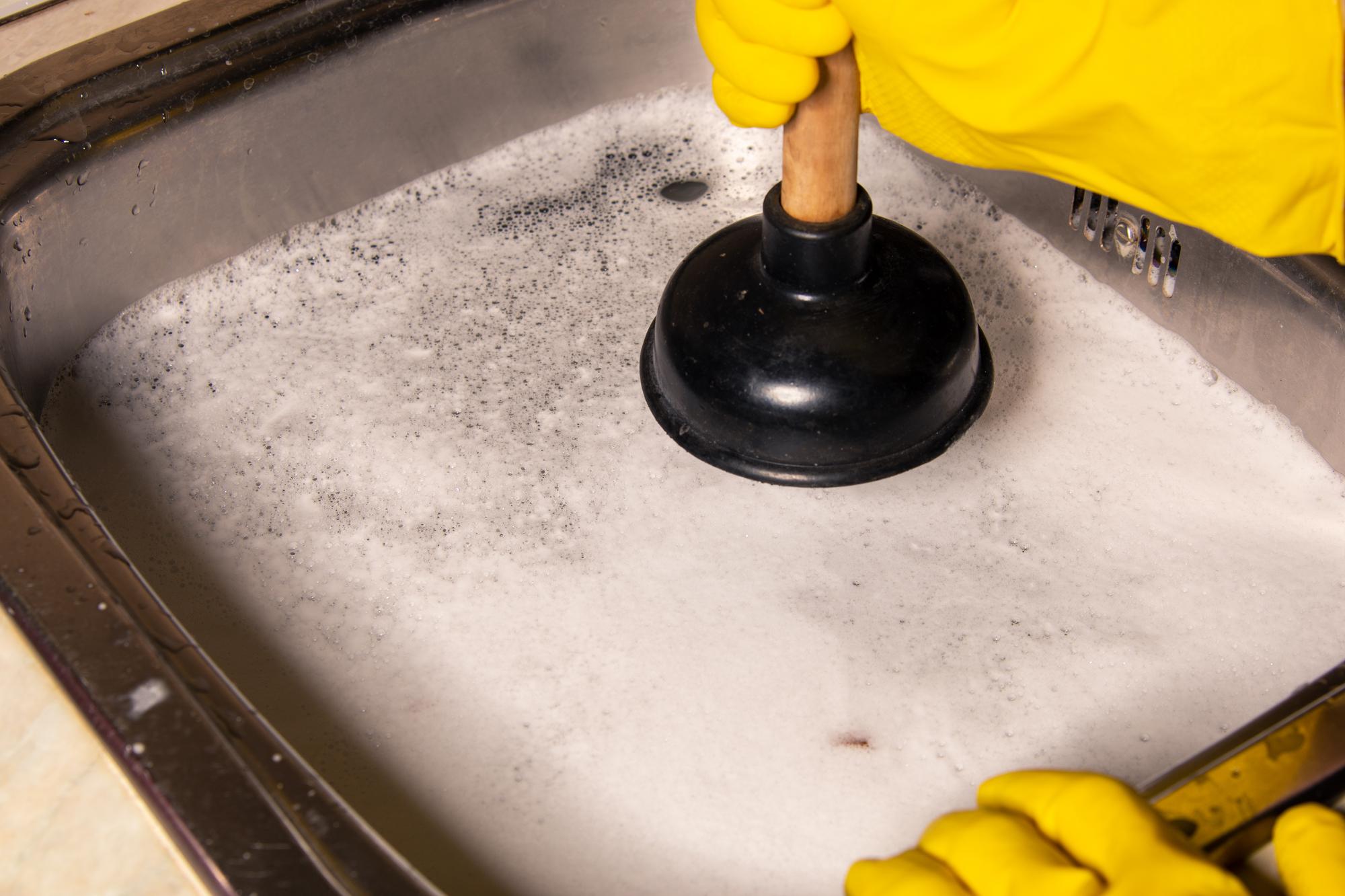
Yuck! A clogged drain can really ruin your day!
Not only does it look gross and it’s inconvenient to not be able to use it, but it also stinks to high heaven. Smelly drains can get strong enough that they stink up the entire house!
You’ve already got to deal with this one, but wouldn’t it be nice to know how to avoid smelly drains in the future? Read on for some of the most common causes of stopped up, smelly drains so you’ll know what to avoid.
What Causes Smelly Drains?
Obviously, a clog or blockage somewhere in the drainpipe is causing the smelly drain. Water and waste can’t flow away as they should. So it just sits there, rotting and stinking.
But what causes those blockages? Let’s look at some common causes.
Soap
Liquid soap usually doesn’t get stuck in pipes, but little bars of soap can. They should eventually break down and wash away. But, in the meantime, they can provide a resting place for other bits of debris and help create a more permanent clog.
Mineral Deposits
Minerals like calcium can also build up in the pipes. Usually, this will constrict the flow of water but isn’t enough to cause a blockage on its own. However, like the bars of soap, it creates a snag for other bits of debris until a clog eventually forms.
Food Bits
As hard as you try not to, bits of food still make it down the drain when you’re rinsing off plates. Most of these bits will wash away with the water, but on occasion, they can get stuck. As more pieces get hung up in the same spot, a clog forms.
Grease and Oil
You have to be careful with grease and certain oils, particularly in the kitchen. While warm, they are liquid and you might think they can go down the drain. Unfortunately, as they cool, they harden and can get stuck in the drain.
Balls of grease are perfect for trapping those bits of food we just talked about.
Cat Litter
It might seem like a good idea to toss your cat’s waste into the toilet. After all, it gets kinda smelly sitting in the garbage can. However, any bits of cat litter that come with it are not good for your pipes. Litter is designed to clump up when it gets wet so you can imagine what it does in your drainpipes.
Clearing Your Drains
There are a few ways to clear blocked drains. DIY methods like plungers and household cleaners sometimes work.
Other times high pressure water jets are used to clear blocked pipes and this is a great way to clear all of the blockages we’ve mentioned if other methods fail.
Keeping Your Drains Clear
Once you’ve got your drains clear, keep them that way by being aware of what is going down them. As a general rule of thumb, the only thing going down your drains should be water and the substances toilets were made for. Keep the rest out and you should be good!

 Daily Bulletin


