

How to Choose the Right Sofa Size for Your Living Room
- Written by: Daily Bulletin
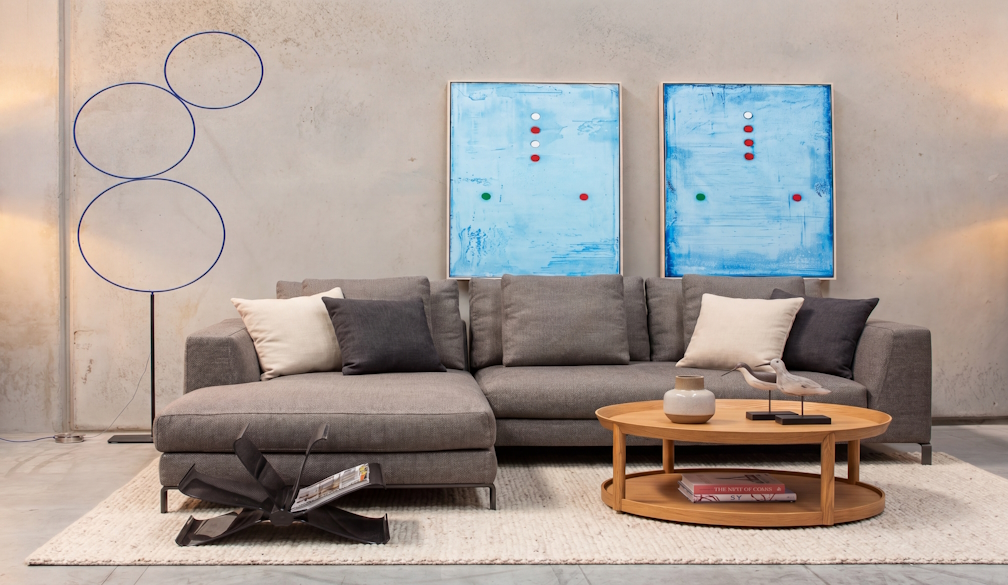
Buying a sofa is one of those decisions that feels simple until you start measuring. A piece that looks perfect online can overwhelm a compact living room, while a smaller sofa can feel lost in an open-plan space. The good news is that sizing a sofa is mostly about a few repeatable checks: your room dimensions, how you move through the space, and how the sofa relates to everything around it.
Before you fall for a particular silhouette or fabric, it helps to treat the sofa like a planning problem first and a style choice second. In the same way people compare proportions across categories like designer furniture melbourne, focusing on measurements early keeps you from ending up with a sofa that is beautiful but impractical.
Start with what the room needs to do
A sofa isn’t just a seat, it’s the anchor for how the room functions. Ask yourself what the living room is for most days.
If it’s primarily a conversation zone, you’ll want seating that faces inward and allows people to sit comfortably without shouting across a coffee table. If the room is TV-focused, viewing distance and sightlines become more important, and a deeper sofa might feel better for lounging. If it’s a mixed-use space that includes dining or a desk, you’ll need to protect clear walkways so the room doesn’t feel pinched.
Write down the top two uses. That alone often determines whether a long, low sofa makes sense or whether a smaller sofa plus occasional chair is the better fit.
Measure the room, then measure the “usable” room
Room dimensions are the baseline, but the usable footprint is what matters. Windows, doors, heaters, built-ins, and awkward corners all reduce where a sofa can realistically go.
Measure:
- Wall-to-wall length and width
- Door swings and clearance
- Any obstacles (radiators, vents, outlet locations)
- The height of windowsills if you’re placing the sofa under a window
Then mark a “no-go” zone for anything that must remain accessible. A common mistake is measuring only the wall length and forgetting that the sofa has depth that can intrude into a walkway.
Protect your circulation paths
A living room feels comfortable when you can move through it naturally. As a general rule, aim for clear paths where people regularly walk. You don’t need cavernous space, but you do need enough clearance that you’re not constantly turning sideways.
Look at the routes from the entrance to the hallway, to the kitchen, and to any balcony or patio doors. If placing the sofa forces a tight squeeze in one of those paths, the sofa is too deep, too long, or simply in the wrong position.
A useful test is to map your walkways with painter’s tape on the floor. It’s low effort and makes sizing decisions feel obvious.
Choose a sofa length that matches the wall and the layout
Sofa length is often the first dimension people notice, and it’s where scale issues show up quickly. A sofa that nearly spans a wall can look intentional, but if it blocks access or crowds side tables, it becomes frustrating day to day.
Instead of aiming for “as big as possible,” aim for “balanced with breathing room.” Consider what needs to sit beside it:
- A side table for a lamp or drinks
- Space for curtains to hang freely
- Clearance for a door frame or walkway
In open-plan rooms, the sofa may not be against a wall at all. In that case, length affects how the sofa divides the room and whether it leaves enough space behind it for movement.
Get the depth right for comfort and proportions
Depth is the dimension that most often causes regret. A very deep sofa can be dreamy for lounging, but it can also push your coffee table too far away or shrink the room visually.
Think about who will use it most:
- If you sit upright often, a moderate depth with supportive back cushions tends to feel better.
- If you lounge or nap on the sofa, more depth can be a win.
- If multiple people in the home are different heights, a depth that works “okay for everyone” usually beats a depth that’s perfect for one person.
Also consider the room: deep sofas pair best with larger spaces or layouts where the sofa floats and you can afford the extra depth without eating the walkway.
Plan the coffee table and rug relationship
Your sofa doesn’t exist in isolation. The spacing to the coffee table and the scale of the rug are what make the sofa feel like it belongs.
A sofa that is too large for the rug will make the rug look like a bath mat. A sofa that sits too far from the coffee table makes the whole setup feel disconnected.
If you already own a rug you love, measure it and decide whether the sofa should sit with its front legs on the rug or fully on it. This choice affects the sofa size you can comfortably accommodate.
Check height, not just footprint
People focus on length and depth, but height shapes how heavy a sofa feels. A low-back sofa can make a room feel more open, especially if there are windows behind it. A taller back can feel cosier and more supportive, but in smaller rooms it can add visual bulk.
Arm height matters too. High arms can limit lounging positions, while very low arms can reduce comfort if you like to rest your elbow. If you’re using side tables, make sure the table height works with the arm height so the setup feels natural.
Use a simple “tape outline” and a real-world test
Before you commit, outline the sofa’s footprint with tape on the floor using the exact length and depth. Then “live” with it for a few minutes:
- Walk past it the way you normally would
- Sit where the coffee table would be and imagine reaching for a drink
- Check whether doors open comfortably
- Visualise where a lamp, side table, or floor plant would go
This step sounds basic, but it catches most sizing mistakes before they become expensive.
When a sectional makes sense, and when it doesn’t
Sectionals solve some problems and create others. They can maximise seating and help define zones in open-plan rooms. But they’re less flexible if you move or want to change the layout later.
If you’re considering a sectional, measure the “return” carefully. The chaise or extended side is often what blocks walkways. If your living room is also a main thoroughfare, a smaller sofa plus a separate chair can be more livable than a sectional that turns the space into an obstacle course.
A final sizing checklist you can reuse
When you have a candidate sofa in mind, run through this quick check:
- Does it preserve your main walkways?
- Is the depth appropriate for how you actually sit?
- Can you still fit side tables and lighting without crowding?
- Does the rug scale still make sense?
- Will it work if you rotate the layout slightly in the future?
If it passes those, you’re not just buying a sofa that looks right. You’re buying one that will feel right in daily life.

 Daily Bulletin


