

Understanding the Full Costs of Different Hot Water Systems
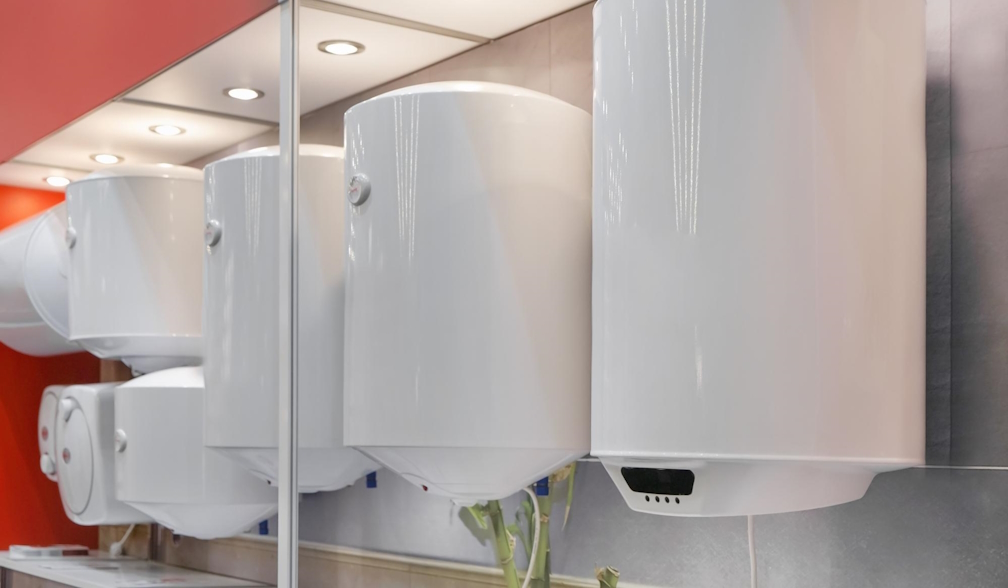
When it comes to the cost of hot water systems, the prospect of having to replace your old unit can seem like a daunting expense, especially when the system fails without warning. But while the initial cost might seem steep, the right hot water system is a sound investment for your home, bringing increased energy efficiency, long-term reliability, and reduced greenhouse emissions.
This brief guide outlines the various factors affecting the cost of hot water systems, the approximate costs for installation, and other crucial considerations.
Factors Affecting Cost
There are multiple factors that affect the cost of your hot water system. These include the type of system chosen, its capacity, and the brand of the unit.
Type of System: The type of system you have will largely influence the overall cost. Electric hot water systems typically range from $450 to $1,800; gas systems are usually between $750 and $1,600, solar systems can cost from $4,000 to $8,000, and heat pump systems vary from $3,000 to $4,000 or more.
Tank Capacity: The size of the tank or the capacity of the system also directly influences the cost. Bigger tanks or systems with higher capacity are generally more expensive due to the larger volume of water they can heat and store.
Brand: The brand of the system can also influence the price. High-end brands with a reputation for reliability and durability often command higher prices than other brands, but they are often well worth it.
Keep in mind that these prices do not include installation costs, which are a separate expense and can vary based on the complexity of the installation. To help you get a more accurate understanding of the expenses involved, let’s take a closer look at the cost of a hot water system installation.
Approximate Installation Costs
Installation costs for hot water systems vary greatly depending on the type of system and the specific requirements of your home. Simple installations, such as straightforward swaps of electric, gas, or pump-style units, can be completed in a few hours, costing approximately between $220 and $660.
On the other hand, installations involving complex systems, such as solar power, or those requiring a switch from your original heating power source to a new one, can be more labor-intensive and costly. The costs for these installations could range from $1,500 to $3,000. It's always a good idea to get quotes from multiple service providers to compare and budget accurately.
Conclusion
Investing in a new hot water system can seem like a daunting expense but considering the long-term benefits such as increased energy efficiency, reliability, and reduced greenhouse emissions, it's a worthwhile investment.
The costs mentioned are approximate and can vary depending on various factors including your location, the complexity of installation, and the specific system you choose. That said, you may be eligible for government rebates, particularly if you opt for greener energy options like solar or heat pump systems.
Deciding on the right system can be challenging, but a good plumber can help you decide which types of hot water systems are best for you. Always do thorough research and consider all these factors before making your final decision. Armed with this knowledge, you'll be well-equipped to make the right choice for your needs and budget.


 Daily Bulletin


