

Trouble getting out of bed? Signs the ‘winter blues’ may be something more serious
- Written by: Kelvin (Shiu Fung) Wong, Senior Lecturer in Clinical Psychology, Swinburne University of Technology
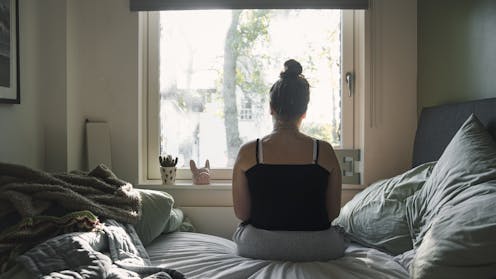
Winter is here. As the days grow shorter and the skies turn darker, you might start to feel a bit “off”. You may notice a dip in your mood or energy levels. Maybe you’re less motivated to do things you previously enjoyed in the warmer months.
The “winter blues” can feel like an inevitable part of life. You might feel sluggish or less social, but you can still get on with your day.
However, if your winter blues are making everyday life difficult and interfering with your work and relationships, it could be the sign of something more serious.
Seasonal affective disorder is more than a seasonal slump – it’s a recognised psychiatric condition. Here’s what to look for and how to get help.
What is seasonal affective disorder?
The Diagnostic and Statistical Manual of Mental Disorders officially recognises seasonal affective disorder as a recurrent major depressive disorder “with seasonal pattern”.
In other words, the condition shares many symptoms with major depressive disorder, but it also follows a seasonal rhythm. While this might be most common in winter, the disorder can also occur in summer.
persistent low mood or feelings of sadness
loss of interest in activities you once enjoyed
low energy and fatigue, even after lots of sleep
changes in appetite
weight gain or weight loss
difficulty concentrating
sleeping more or less than usual
feelings of hopelessness or worthlessness
in some cases, thoughts of self-harm or suicide.
Research suggests seasonal affective disorder affects up to 10% of the global population.
Although it can affect anyone, it is more common in women, people aged between 18 and 30 years, and those living far from the equator, where winter daylight hours are especially limited.
A review of the Australian research on seasonal affective disorder showed the highest proportion of Australians with seasonal affective disorder was found in the most southern state, Tasmania (9% of the population).
What causes it?
Unfortunately, the exact cause of seasonal affective disorder is still poorly understood.
Some theories propose it is primarily caused by a lack of light in the environment, although we are not exactly sure how this leads to depression.
As sunlight is responsible for the production of vitamin D, some have suggested a lack of vitamin D is what causes depression. However, the evidence for such a link is inconclusive.
Others suggest a lack of light in winter delays the circadian rhythms which regulate our sleep/wake cycle. Poor sleep is related to many mental health difficulties, including depression.
Seasonal affective disorder can be treated
Fortunately, there are several evidence-based treatments for seasonal affective disorder. Relief may be found through a combination of approaches.
Bright light therapy is usually the first treatment recommended for seasonal affective disorder. It involves sitting near a specially designed lightbox (with a strength of 10,000 lux) for about 20 to 30 minutes a day to mimic natural sunlight and help regulate the body’s internal clock.
Cognitive behavioural therapy aims to help people develop some flexibility around the negative thoughts that might maintain seasonal affective disorder symptoms (for example, “I am worthless because I never get up to anything meaningful in winter”).
Lifestyle changes such as regular exercise, time spent outdoors (even on gloomy days), a balanced diet, and good sleep hygiene can all support recovery.
Antidepressants – especially selective serotonin reuptake inhibitors (SSRIs) – may be prescribed when symptoms are moderate to severe, or when other treatments have not worked.
What else helps?
Even those without seasonal affective disorder might need to fight the winter blues. So, what works?
Prioritise social connection
Schedule regular, achievable and pleasant activities with friends, such as trivia at the pub or a brisk walk.
Reframe winter
Rather than dreading the cold, see if you can embrace what is special about this time of year. The mindset of “hygge” (a Danish and Norwegian term for cosiness and contentment) may help.
Let winter be your excuse for snuggling on your couch with a thick blanket and hot chocolate while catching up on books and TV shows. Or see if there are any winter-specific activities (such as night markets) where you live.
Maximise daylight
Taking a walk during lunchtime when the sun is out, even briefly, can make a difference.
The bottom line
If your “winter blues” last more than two weeks, start interfering with your daily life or feel overwhelming, then it might be time to seek professional help.
Speaking to your GP or mental health professional can help you get support early and prevent symptoms getting worse.
Authors: Kelvin (Shiu Fung) Wong, Senior Lecturer in Clinical Psychology, Swinburne University of Technology


 Daily Bulletin


