

People are ‘microdosing’ weight-loss drugs. A GP explains what to watch out for
- Written by: Natasha Yates, General Practitioner, PhD Candidate, Bond University
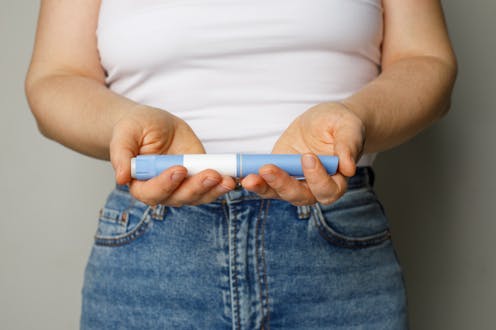
Injectable medications originally developed for the treatment of diabetes are also effective for weight loss, and have surged in popularity for this purpose around the world.
In Australia, Ozempic is approved for the treatment of type 2 diabetes, while Wegovy is approved for weight management. Both are formulations of the drug semaglutide, which mimics the action of the naturally occurring GLP-1 hormone on GLP-1 receptors in the gut and the brain, helping regulate appetite and making you feel fuller for longer.
However these medications are expensive, and sometimes hard to get. They also come with side effects. For these reasons, people are taking to “microdosing” weight-loss drugs, or using less than the dose recommended by the manufacturer.
But is this effective, and is it safe? As a GP, people are asking me these questions. Here’s what we know – and what we don’t know yet.
Why are people microdosing weight-loss drugs?
Microdosing usually refers to psychedelic medication, where people take a low dose of a psychedelic drug to enhance performance, or reduce symptoms of stress and anxiety.
However, the term is increasingly being used to describe the use of weight-loss injectables at lower-than-recommended doses.
Three common reasons come up when I ask patients why they microdose weight-loss drugs.
Cost: injectables used for weight loss are not covered by the Pharmaceutical Benefits Scheme, so patients must pay for these out-of-pocket. Costs start from A$260 per month and increase from there.
Availability: worldwide shortages of these injectable medications have led doctors and patients to seek alternative solutions.
Side-effects: side-effects are common, and can include nausea, vomiting, bowel habit changes and reflux. Lower doses cause fewer side-effects, which is why the recommended dosing schedule starts low and gradually builds up.
How do people microdose weight-loss drugs?
A standard dose of semaglutide is 2.4mg, but we start patients on much lower doses (0.25mg) and gradually build up to this by increasing the dose each month. This is because starting at the full dose invariably causes bad side-effects.
Injectables come in an adjustable auto-injector pen which is twisted until the dose counter shows the prescribed dose in milligrams. There’s a click every time the dial is turned. Once the prescribed dose is showing, it’s injected under the skin.
To microdose, patients simply turn the dial fewer times than recommended for the full dose. They estimate a microdose by “counting clicks”, which means they’re turning it according to the clicks they hear rather than until they see the dial showing the correct dose has been reached.
Alternatively, they may inject the full recommended dose but do so less often than once per week.
Is it safe?
Using injectables in this way has not been researched, so the safety has not been established. However, it’s unlikely lower doses would lead to higher safety concerns.
In fact, logically, lower doses are likely to mean fewer side-effects.
But these drugs do expire after a few weeks, and microdosing could increase the risk of inadvertently using them after their expiration date. Injecting out-of-date medication can be a significant health risk. For example, it could cause infection if bacteria has started to grow.
The biggest concern around the safety of microdosing is if patients are doing it without the knowledge of their treating team (such as their GP, dietitian and pharmacist).
Because there are no clear guidelines around microdosing, patients should only try it with caution and under medical care. Their team can assist with issues such as accounting for the limited shelf-life of the medication.
Is it effective?
As lower doses than recommended for weight loss have not been tested, we cannot answer this question yet. However, reduced side-effects at lower doses make it likely there are also reduced therapeutic effects.
In my experience there’s a reason patients increase their doses as recommended: they simply don’t lose enough weight on the starting doses.
At the height of semaglutide shortages in 2023, experts from the American Diabetes Association published recommendations around how to prescribe lower doses for patients with diabetes. But these recommendations were for diabetes management, not for patients using the drug for weight loss.
It’s also important to note that for patients using Wegovy to reduce heart attack and stroke risk – which Australia’s Therapeutic Goods Administration recently approved it for – there’s no evidence that cardiovascular benefits will be achieved at lower-than-recommended doses.
Is there any role for microdosing weight-loss drugs?
There may be a role for microdosing in a few scenarios:
When side-effects are not manageable: when side-effects are intolerable for patients, even on the lowest introductory dose, there may be a role for individualised approaches. But this is best done with clear communication and regular monitoring, so patients are not under-treated.
Supply disruption: if there’s a supply disruption, lowering the dose or lengthening the time between doses may be preferable to ceasing the medication altogether.
Maintenance of weight loss: once therapeutic levels have helped patients achieve their goal weight, lowering the dose may be a helpful longer-term way of keeping them there. We know stopping these drugs altogether results in rebound weight gain. We await evidence for microdosing for weight maintenance.
So what’s the take-home message?
Patients who use injectables as part of their approach to weight loss should be under the care of an experienced team, including a GP, who can monitor their progress and ensure they achieve their weight loss in a safe and sustainable way.
Microdosing weight-loss drugs currently has no clear evidence base, but if a person wants to attempt it, they should do so with the full knowledge of their treating team.
Natasha Yates wishes to thank Dr Terri-Lynne South – a GP, dietician, and the chair of the Royal Australian College of General Practitioners’ specific interest group in obesity management – for providing feedback and peer review on this article.
Authors: Natasha Yates, General Practitioner, PhD Candidate, Bond University


 Daily Bulletin


