

Holy Woman's fleshy, feminist spiritual pilgrimage is a warning against religious coercive control
- Written by: Rosie Clare Shorter, PhD candidate, Religion and Society Research Cluster, Western Sydney University
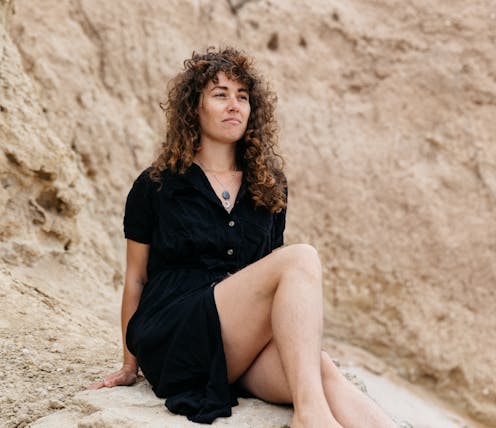
Louise Omer is on a global, but highly personal quest: from Australia to Ireland, Mexico, Sweden, Bulgaria and Istanbul. From Istanbul to Scotland, Italy, Germany, Morocco. And finally, to the cool waters of Džbán Lake in the Czech Republic.
In Holy Woman: A Divine Adventure, former Pentecostal preacher Omer documents her search for a feminine – and hopefully feminist – spirituality, leaving her marriage, her church, and life in Adelaide behind her.
She weaves together auto-ethnography, memoir and travel writing to craft a compelling commentary on the ways patriarchal norms inform Christian practice, limiting women’s experience of spirituality and the divine.
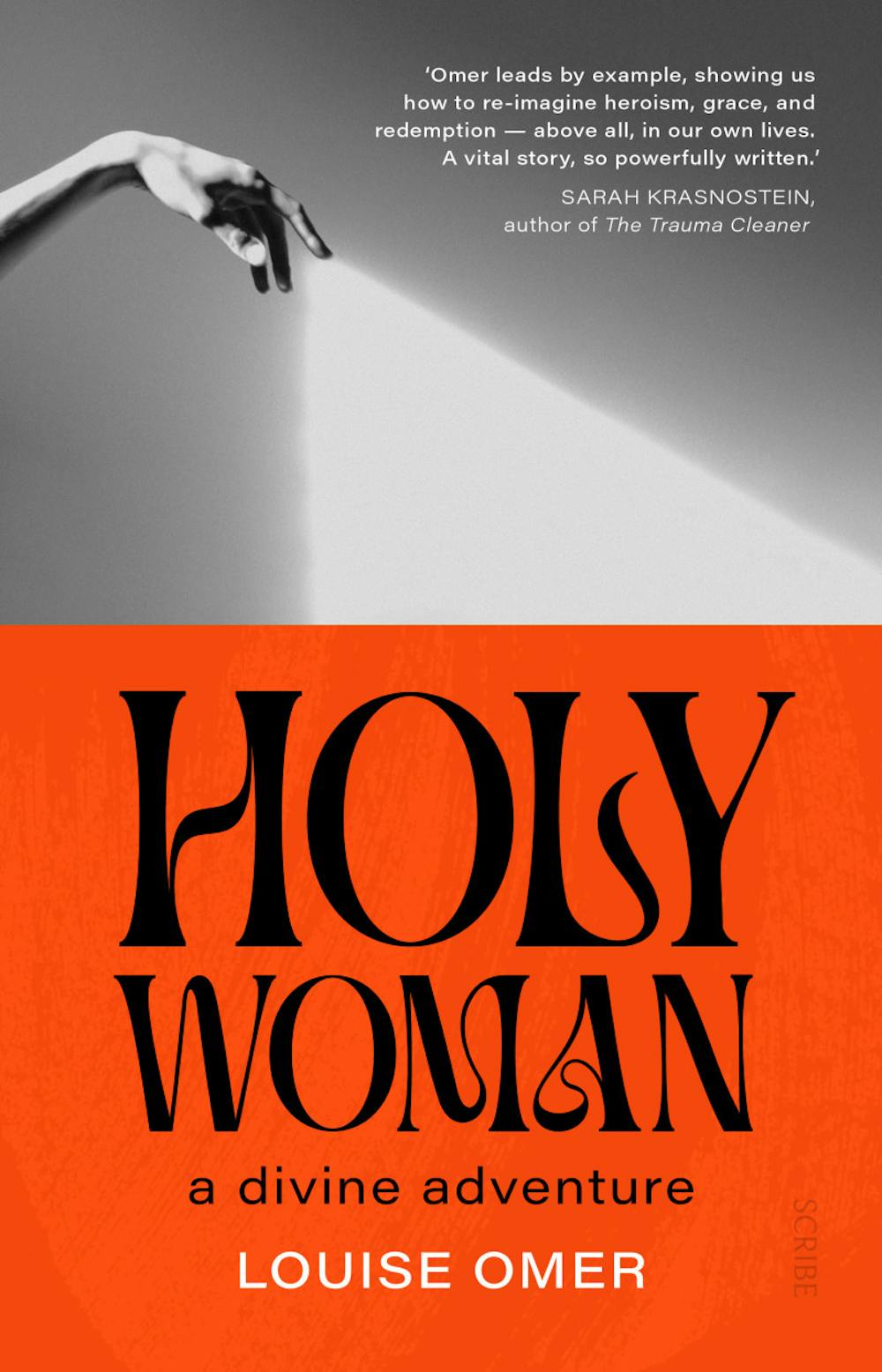
Review: Holy Woman: A Divine Adventure – Louise Omer (Scribe)
Omer frames Holy Woman with a series of questions about the gendered nature of church experience. She wants to understand the male-centred stories and language Christians use to talk about God. She also wants to map connections between such language and gendered violence within churches. As she goes, she draws on social research, feminist theory and feminist theology.
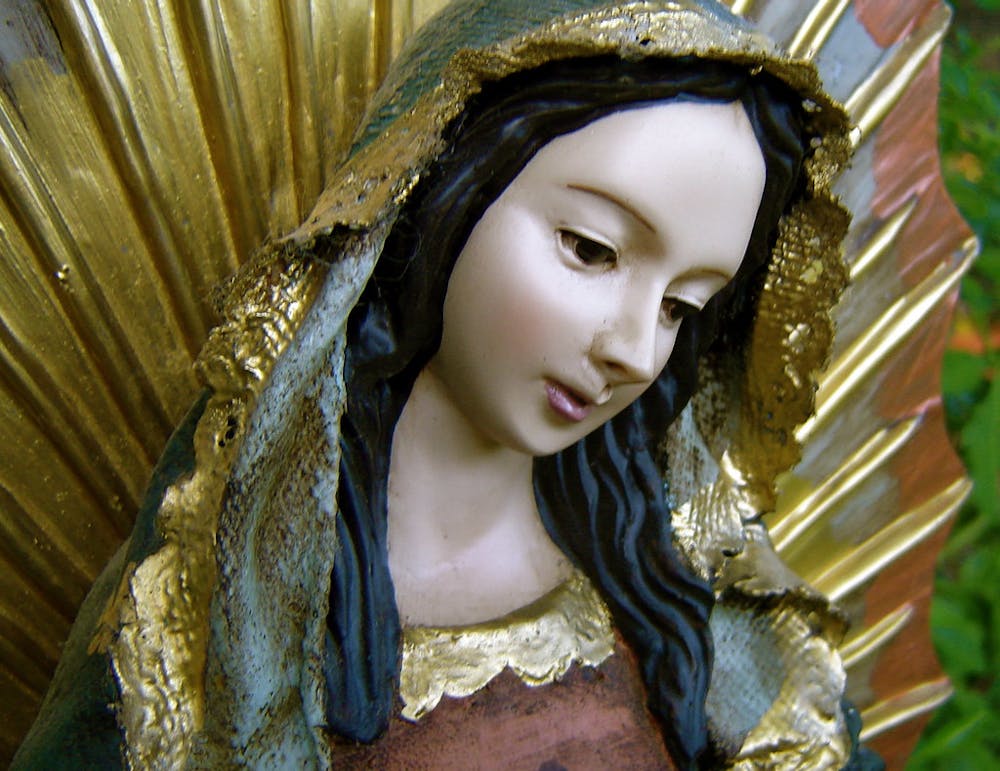 Louise Omer lined up for eight hours to make a pilgrimage to La Virgen de Guadalupe.
Andreanna Moya Photography/Flickr, CC BY
Omer’s openness to haphazardly chasing ideas frees her to journey to many destinations, to meet and interview people from an array of traditions. But her “arrogance” clouds her observations.
Often it seems as though, just like the community (and husband) she has left, which undermined the voices and experiences of women, Omer is dismissive of, and disappointed by, the various Christian practices she sees. At times, Omer’s disappointment surprised me.
Enthralled, I wanted to stand with Omer by the “immeasurably deep” water of St Brigid’s shrine and receive a blessing. I longed to sit with the Brigidine nuns Omer had met, as they engaged in the quiet daily act of “tending” Brigid’s flame. I completely missed Omer’s disappointment until she explicitly stated it.
Read more:
Islam and feminism are not mutually exclusive, and faith can be an important liberator
Unholy acts of religious men
Despite the questions posed in the opening, the question that truly seems to propel Omer’s work doesn’t appear until a third of the way in: “what exactly was I running from?”. Holy Woman: A divine adventure could otherwise have been subtitled “the unholy acts of religious men”.
Although Omer’s pilgrimage is framed as a journey towards feminine spirituality, it is also a powerful testimony about (rightly) running from a place of emotional and spiritual harm at the hands of powerful, authoritative religious men.
As Omer’s narrative progresses, it becomes apparent her search is less for a feminine spirituality “out there” than for an internal sense of cohesion and authenticity. The female and gender-diverse leaders, stories and statues within Christianity are not Omer’s destination.
Omer is journeying toward a re-made self on the other side of a Christianity that led her to believe she was less than her husband and to worship him as a proxy for God. And that conditioned her not only to accept male violence, but to forgive it.
Louise Omer lined up for eight hours to make a pilgrimage to La Virgen de Guadalupe.
Andreanna Moya Photography/Flickr, CC BY
Omer’s openness to haphazardly chasing ideas frees her to journey to many destinations, to meet and interview people from an array of traditions. But her “arrogance” clouds her observations.
Often it seems as though, just like the community (and husband) she has left, which undermined the voices and experiences of women, Omer is dismissive of, and disappointed by, the various Christian practices she sees. At times, Omer’s disappointment surprised me.
Enthralled, I wanted to stand with Omer by the “immeasurably deep” water of St Brigid’s shrine and receive a blessing. I longed to sit with the Brigidine nuns Omer had met, as they engaged in the quiet daily act of “tending” Brigid’s flame. I completely missed Omer’s disappointment until she explicitly stated it.
Read more:
Islam and feminism are not mutually exclusive, and faith can be an important liberator
Unholy acts of religious men
Despite the questions posed in the opening, the question that truly seems to propel Omer’s work doesn’t appear until a third of the way in: “what exactly was I running from?”. Holy Woman: A divine adventure could otherwise have been subtitled “the unholy acts of religious men”.
Although Omer’s pilgrimage is framed as a journey towards feminine spirituality, it is also a powerful testimony about (rightly) running from a place of emotional and spiritual harm at the hands of powerful, authoritative religious men.
As Omer’s narrative progresses, it becomes apparent her search is less for a feminine spirituality “out there” than for an internal sense of cohesion and authenticity. The female and gender-diverse leaders, stories and statues within Christianity are not Omer’s destination.
Omer is journeying toward a re-made self on the other side of a Christianity that led her to believe she was less than her husband and to worship him as a proxy for God. And that conditioned her not only to accept male violence, but to forgive it.
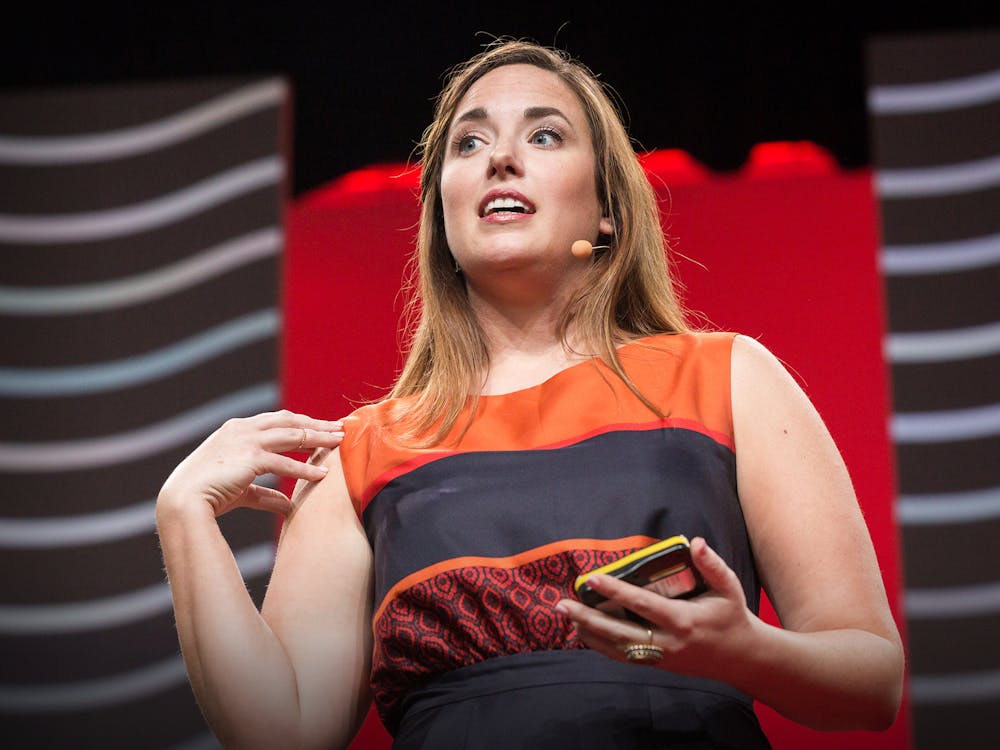 Chelsea Shields, pictured giving a TED Talk, is one of the female leaders working to reform gender inequality from within the Christian faith – who are ‘not Omer’s destination’.
Ryan Lash/TED, CC BY
In fact, it led her to see male violence as simultaneously impossible and entirely normal. Beneath the divine adventure is the complex, personal experience of spiritual harm and remaking.
Given Omer plots her own path away from conservative Christianity, my concern is it would be easy for some within Christian communities to misuse Holy Woman as a cautionary tale against women.
My weary, feminist and still-Christian ears can almost hear a charming preacher warning us to stay close to the approved path, avoid questions and liberal theologies, or else you too might doubt God and find yourself in a confusing, and so-called “sinful” sexual encounter in a foreign country. This would be a misreading.
Read more:
Religious lies, conmen and coercive control: how cults corrupt our desire for love and connection
Against the tidy answers of charismatic preachers
If Holy Woman is a cautionary tale, it cautions readers against the smooth, easy, comforting words of a charismatic preacher and the tidy answers found in spiritual acquiescence. It is a warning against religious coercive control.
Like leaving a marriage, leaving a faith community can be hard work. My favourite feminist theorist, Sara Ahmed, teaches us “it is hard labour to recognise sadness and disappointment when you are living a life that is meant to be happy, but is not happy.”
It is hard, lonely work to admit the faith and marriage you believed would make you happy and safe are actually causing unhappiness and harm. Ahmed reminds us it is often feminist books that help us to name and process problems.
Chelsea Shields, pictured giving a TED Talk, is one of the female leaders working to reform gender inequality from within the Christian faith – who are ‘not Omer’s destination’.
Ryan Lash/TED, CC BY
In fact, it led her to see male violence as simultaneously impossible and entirely normal. Beneath the divine adventure is the complex, personal experience of spiritual harm and remaking.
Given Omer plots her own path away from conservative Christianity, my concern is it would be easy for some within Christian communities to misuse Holy Woman as a cautionary tale against women.
My weary, feminist and still-Christian ears can almost hear a charming preacher warning us to stay close to the approved path, avoid questions and liberal theologies, or else you too might doubt God and find yourself in a confusing, and so-called “sinful” sexual encounter in a foreign country. This would be a misreading.
Read more:
Religious lies, conmen and coercive control: how cults corrupt our desire for love and connection
Against the tidy answers of charismatic preachers
If Holy Woman is a cautionary tale, it cautions readers against the smooth, easy, comforting words of a charismatic preacher and the tidy answers found in spiritual acquiescence. It is a warning against religious coercive control.
Like leaving a marriage, leaving a faith community can be hard work. My favourite feminist theorist, Sara Ahmed, teaches us “it is hard labour to recognise sadness and disappointment when you are living a life that is meant to be happy, but is not happy.”
It is hard, lonely work to admit the faith and marriage you believed would make you happy and safe are actually causing unhappiness and harm. Ahmed reminds us it is often feminist books that help us to name and process problems.
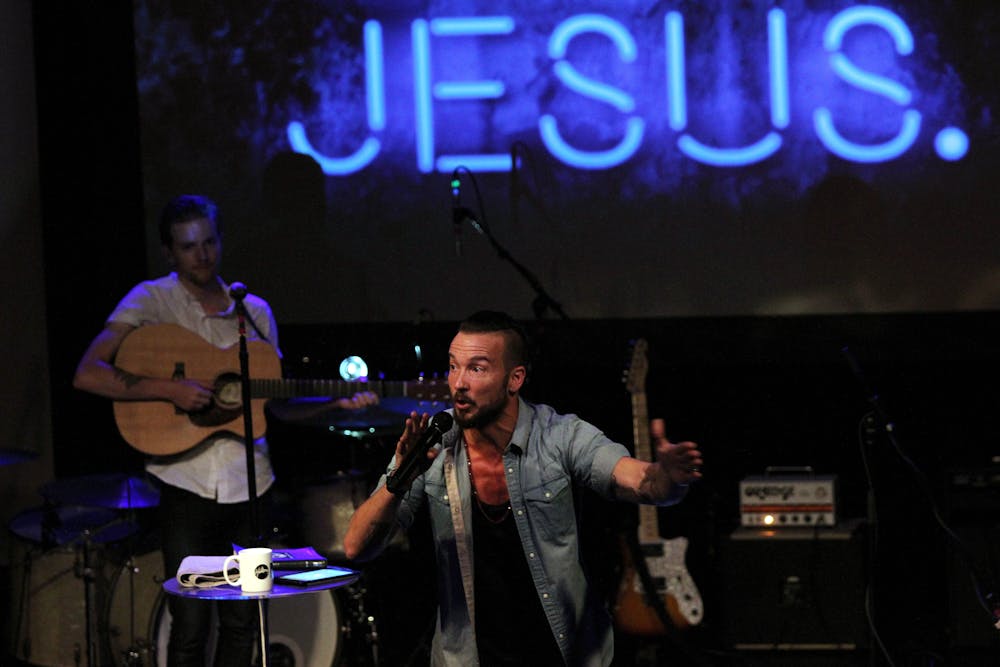 Pastor Carl Lentz leads a Hillsong NYC Church service at Irving Plaza in New York.
Tina Fineberg/AP
Books can keep us company. For many readers, Holy Woman may prove to be the company they need, as they carve out a safe and inclusive spiritual home, either within or without Christianity.
For those uncertain about conservative faith, and beginning to search out something different, Holy Woman may raise new questions and offer glimmers of possibility. For anyone navigating the parallel passage out of a marriage and a faith community, Omer’s book will be a welcome read, and a companion text on that road.
Holy Woman is a necessary antidote to what can be a lonely journey out of an unhealthy and unsafe relationship, too. Omer encourages us to confidently persist on the road to holiness and wholeness – wherever that road leads. May you travel it well, with other holy women, and Holy Woman.
Authors: Rosie Clare Shorter, PhD candidate, Religion and Society Research Cluster, Western Sydney University
Pastor Carl Lentz leads a Hillsong NYC Church service at Irving Plaza in New York.
Tina Fineberg/AP
Books can keep us company. For many readers, Holy Woman may prove to be the company they need, as they carve out a safe and inclusive spiritual home, either within or without Christianity.
For those uncertain about conservative faith, and beginning to search out something different, Holy Woman may raise new questions and offer glimmers of possibility. For anyone navigating the parallel passage out of a marriage and a faith community, Omer’s book will be a welcome read, and a companion text on that road.
Holy Woman is a necessary antidote to what can be a lonely journey out of an unhealthy and unsafe relationship, too. Omer encourages us to confidently persist on the road to holiness and wholeness – wherever that road leads. May you travel it well, with other holy women, and Holy Woman.
Authors: Rosie Clare Shorter, PhD candidate, Religion and Society Research Cluster, Western Sydney University


 Daily Bulletin


