

Read The Times Australia

Daily Bulletin

Heat yourself, not your house: how to survive winter with a 15℃ indoor temperature

  • Written by: Robert Nelson, Honorary Principal Fellow, The University of Melbourne
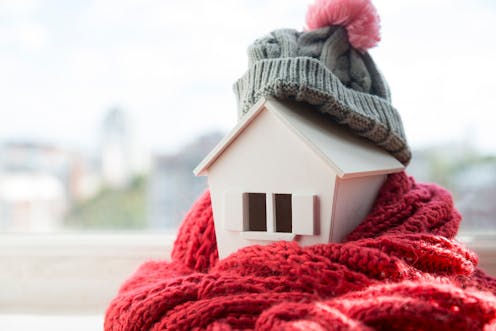
Heat yourself, not your house: how to survive winter with a 15℃ indoor temperature

How high should you put the heating up over winter? If you don’t mind the bills and ecological impact, you have the encouragement of the World Health Organization to keep the house warm. They recommend an indoor temperature of at least 18°, declaring that you face health risks at lower temperatures. This advice is echoed by the Australian government. The tone of some reports is monitory and severe.

Based on these instructions, anyone would feel a reflex to bump up the thermostat. But before you brace for the bill-shock amid soaring energy prices, consider a different approach. Some people cope positively with the freeze and others face deep winter with panic. Given the range of psychological responses, I can only imagine there would be a difference in how people’s health would fare. If I’m full of dread at the prospect of feeling chilly, this stress could aggravate existing health issues.

It is entirely possible to avoid heating your entire house to 18℃ to stay warm. If you view your cold house as a project, you can take pleasure in the power of staying warm in your modern cave, while remembering that we evolved to withstand the cold with fewer options than we have today.

Over the last couple of winters, I’ve discovered many strategies for comfortable living at lower room temperatures. To add to traditional methods such as multiple layers of clothing and physical activity, there are now excellent appliances to fend off the chill. Personal heating devices have become rightly popular, such as electrical heated throw rugs to warm your clothing rather than ambient air.

These new devices – think a more flexible electric blanket – are extremely efficient. Canberra energy efficiency enthusiast David Southgate found using these devices rather than heating the air cut his heating bill by 95%.

electric throw
Electric throw rugs and other personal heating devices are gaining popularity. Shutterstock

Personally, I have found adequate clothing makes a temperature of 15℃ acceptable. In fact, dressing warmly poses more risk of overheating with low levels of activity. It’s satisfying to create your own warmth rather than rely on artificially supplied warmth. You start to notice thermodynamic properties of clothing that you’d never appreciate by relying on a thermostat.

If you wear a hooded gown, you’ll find not only that your ears are warm from being covered, but your uncovered face becomes flushed. That’s because warmth generated by your body wafts upward to escape through the aperture of the hood. As a result, the air that you breathe is also warm.

When it comes to clothing, we can equate warmth simply with insulation. In turn, we assess the insulating qualities of textiles with their thickness or air-trapping abilities. We often tend to overlook the design of the clothing, which plays a key role in funnelling body warmth to exposed skin. The archetype of the hood was known two millennia before thermostats in both Greece (the garments μαφόρτης and κάλυμμα) and Rome (the garments cucullus, lacerna and tunica palliolata). They’re just as effective today.

Wearing a cowl won’t warm up your hands; but if the rest of you is warm – especially your feet – your exposed hands will benefit by the circulation. For anyone unconvinced by this assurance, fingerless gloves are a backstop.

The way medical science has catastrophised indoor temperatures lower than 18℃ wouldn’t be so bad if it were only incurious and unimaginative. Alas, there are alarming ecological consequences of a population believing that they’ll automatically get sick in the cold.

Carbon emissions from domestic heating are significant. You get a picture from gas bills in Queensland, which go up 1.4 times from summer to winter. In colder states, the figure is much higher: 3.5 times in Victoria and 5.2 times in nippy Tasmania. We have to scrutinise if we really need our thermostats pegged at 18℃.

Before we accept recommendations on indoor temperatures by medical authorities, we need to know if the science has grappled with different experiences of cold.

Future research must distinguish between people in a cool room who feel cold and miserable or feel protected against cold by a range of practical measures.

Understanding the effect of these variables is urgent, because current authoritative guidance pushes us into heating our houses more than we have to. For most of the world, that means burning fossil fuel.

Authors: Robert Nelson, Honorary Principal Fellow, The University of Melbourne

Read more https://theconversation.com/heat-yourself-not-your-house-how-to-survive-winter-with-a-15-indoor-temperature-185587

Business News

The Business Case for Choosing Australian Fabricators Over Imported Alternatives

For a long time, you might have defaulted to overseas suppliers when sourcing fabricated metal components for a project. The unit price was lower on paper, and the maths seemed straightforward. That...

Daily Bulletin - avatar Daily Bulletin

Australian organisations are relying on business continuity plans built for a far more predictable world

Tariff escalations, supply chain fragility, geopolitical events, and the ongoing threat of cyber disruption have reshaped the risk environment facing Australian organisations. The problem is that ma...

Daily Bulletin - avatar Daily Bulletin

How to Rent a Car for Uber in Melbourne: What Every New Driver Needs to Know

Starting out as an Uber driver in Melbourne is not as complicated as it sounds but getting the vehicle right is where most new drivers get stuck. Uber has strict requirements around vehicle age, condi...

Daily Bulletin - avatar Daily Bulletin

When Should You Speak to a Lawyer About a Legal Issue?

Legal issues can begin with a simple question, then become harder to manage once formal steps are involved. Many people wait until a matter feels urgent before seeking guidance, even though earlier ...

Daily Bulletin - avatar Daily Bulletin

The strategic rise of Bali as Australia’s next essential healthcare support hub

As Australian healthcare providers grapple with unprecedented operational bottlenecks, a new nearshore model is quietly transforming patient care delivery. Forward-thinking organisations,  including...

Daily Bulletin - avatar Daily Bulletin

Cost Savings and Benefits of Using Used Pallets in Logistics

In today’s competitive logistics and supply chain industry, businesses are constantly looking for ways to reduce operational costs without compromising efficiency and reliability. One of the most prac...

Daily Bulletin - avatar Daily Bulletin

How Fulfilment Services in Australia Help Businesses Scale Efficiently

The growth of e-commerce and modern retail has transformed customer expectations. Consumers now expect fast shipping, accurate order processing, and seamless delivery experiences regardless of where...

Daily Bulletin - avatar Daily Bulletin

Practical Ways Australian Workplaces Can Reduce Operating Costs

Reducing business costs doesn’t always mean cutting staff, shrinking services or making the workplace feel bare-bones. In many cases, the smarter savings are hiding in everyday operations: the light...

Daily Bulletin - avatar Daily Bulletin

Executive Recruitment Solutions That Help Organisations Secure Exceptional Leaders

Leadership has a direct impact on organisational performance, employee engagement, strategic growth, and long-term success. Businesses operating in increasingly competitive environments require experi...

Daily Bulletin - avatar Daily Bulletin

The Daily Magazine

What Happens After You Lodge a BYDA Enquiry? The Step Most Excavation Projects Miss

Every excavation project in Australia — from a backyard deck footing to a multi-storey commercial bu...

How to Choose the Right Dentist on the Gold Coast

Finding a dentist you trust is one of those decisions that quietly affects your health for years, ...

The Hidden Engineering Problem Inside Australia's Older Housing Stock

A significant share of Australian homes were built for a way of living that no longer exists. Houses...

DIY Rodent Control Vs Professional Help: When Is It Time To Call The Experts?

Rodents are one of the most frustrating pest problems for Australian property owners. Rats and mic...

Lighting Shop in Perth: How The Right Lighting Can Transform Your Home And Business

The right lighting can completely change the look, feel, and functionality of any space. Whether it ...

Traffic Light System Solutions For Safer And More Efficient Traffic Management

Modern cities and growing communities rely heavily on effective traffic management to ensure safety...

Gold Migration Lawyers in Liquidation: How the Closure Affects Your ART Appeal

If your appeal was with Gold Migration Lawyers, a recent change to how the Tribunal decides cases ...

The pressure cooker: life in urban Australia in 2026

Australian cities have always been demanding. Long commutes, rising housing costs, busy schedules a...

What Actually Makes a Good Criminal Lawyer in Melbourne

Most people only think about this question once. That is usually too late. Most people charged wi...