

What is orthokeratology? And will it help slow the deterioration of my child's eyesight?
- Written by: Paul Gifford, Adjunct Senior Lecturer, UNSW
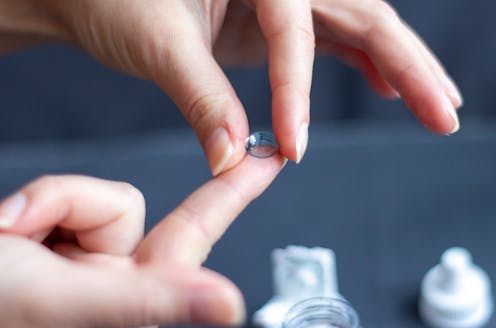
If you or your child is short-sighted (struggles to see things further away) you might have heard about orthokeratology.
Also known as OK or ortho-k, orthokeratology has been around since the 1960s. However, it has gained interest recently for its ability to slow the progression of myopia (short-sightedness).
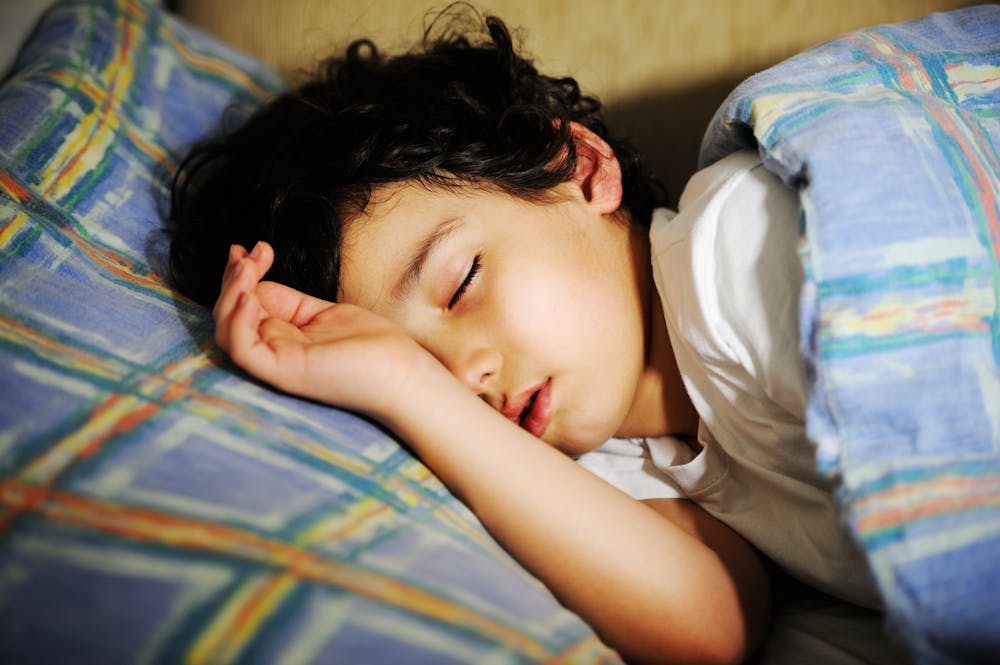
Orthokeratology involves wearing a specially-designed rigid contact lens overnight. Like a mold, the lens temporarily reshapes the eye while you sleep by gently changing the profile of the cornea (the eye’s clear, protective outer layer that acts like a powerful lens).
This creates a temporary change; when you wake up, you take the lens off and voilà! You can see.
It takes about a week of going through the cycle for the full effect to be reached but after that – assuming you wear them every night and take them off every morning – you should be able to get through your days without glasses or contact lenses.
And most importantly, there’s good evidence it can help slow the progression of myopia.
Like all treatments, however, orthokeratology has its pros and cons – and its risks need to be well understood before use.
Read more: Hidden in plain sight: How the COVID-19 pandemic is damaging children’s vision
The pros
Orthokeratology may be an appealing option:
for people who want an alternative to glasses but find contact lenses either uncomfortable or not suitable (because, for example, they suffer from dry eye, work in dusty environments or enjoy water sports)
as an alternative to refractive surgery, also known as laser eye surgery or LASIK. Refractive surgery is permanent but orthokeratology is temporary; if you stop using the lenses, things go back to normal within a week
for parents of a child who might otherwise be wearing contact lenses at school; ortho-k allows a child to go to school without glasses or contact lenses, which can be lost or come loose during the day.
The cons
The potential downsides include:
the up-front costs are higher than daily wear contact lenses where the similar overall cost is spread over time
the effect wears off if you don’t use them every night
all contact lens use comes with a higher risk of eye infection than if you had no contact lenses at all.
Some people might think orthokeratology has a higher infection risk than standard soft contact lenses. However, this is not supported by the research evidence.
A study in Japan compared outcomes after 10 years of wear in children of either orthokeratology or soft contact lenses. It found there were no severe adverse events and the frequency of mild and adverse events were about equal between the groups.
If you get an infection from either a standard contact lens or orthokeratology lenses, it usually clears up with a course of antibiotics. However, it’s possible to get a rare infection called microbial keratitis, which has the potential to damage sight.
It’s not common. According to one study, if you were to wear an orthokeratology lens every night for 1,000 years you are only likely to get one serious infection.
If you use sterile contact lens solutions and avoid tap water, orthokeratology lens-wearers will dramatically reduce their risk of eye infection. Tap water exposure to lenses or lens accessories greatly increases the risk of infection.
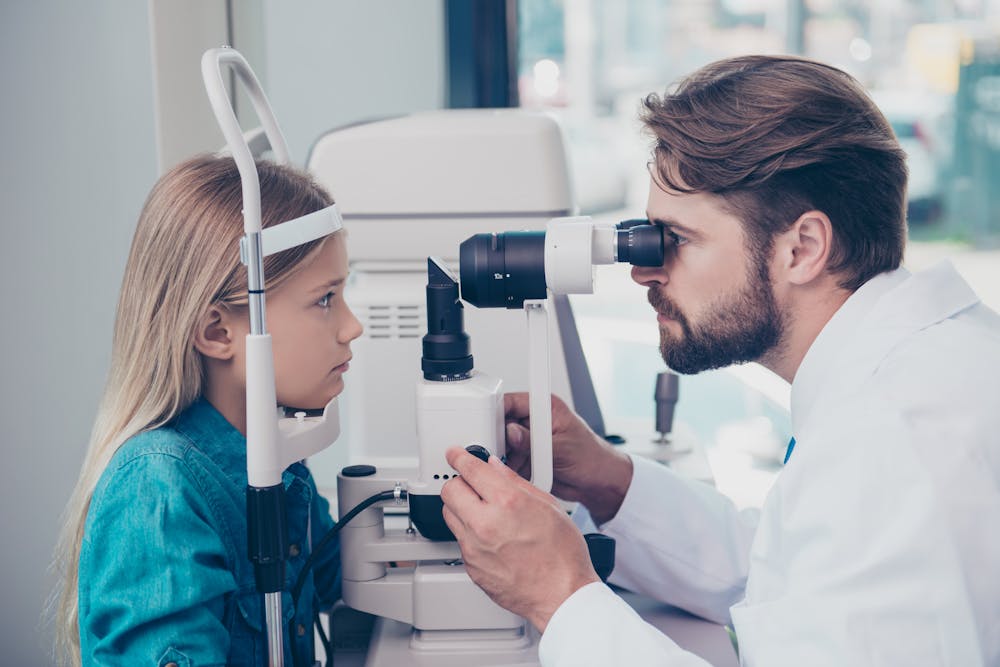 Slower myopia progression also means less frequent need for replacing glasses, which can save you money in the long run.
Shutterstock
Reducing risk of devasting eye disease later in life
It’s now projected half the world’s population will by myopic by 2050, and the World Health Organization has sounded the alarm, saying in one bulletin:
High myopia greatly increases the risk of macular atrophy, glaucoma and other causes of severe vision loss, the incidence of which is not reduced by wearing standard glasses.
Slowing the progression of myopia reduces risk of sight-threatening eye disease. It also means less frequent changes in vision, which can save money in the long run from needing fewer changes to glasses.
Myopia progresses faster in younger years, so a myopia control prevention should be prescribed as early as possible. We don’t know exactly how orthokeratology slows myopia progression, but compelling research shows it does.
If you’re considering orthokeratology for your child, you and your eye specialist need to strike a balance. The child must be old enough to be handle it – but wait too long and the the myopia control benefits it offers diminish.
Every child is different. Some are more able than others to contend with orthokeratology, or willing to wear it overnight. It can be uncomfortable at first, and some might find the idea of a contact lens too confronting. It cannot be forced.
 Too much ‘close work’ can make myopia worse in children.
Shutterstock
Review all the options
Orthokeratology isn’t the only solution; there are also special lenses you can get for glasses and soft daily wear contact lenses that help slow progression of myopia. Seek advice from eye specialists to to review all the options.
I also recommend children do no more than two hours per day of leisure “close work” (meaning non-school work: close up screen time or book-reading) outside school hours. Parents can also teach kids the “20-20 rule” (for every 20 minutes of close work, take a 20 second break to look into the distance). Outside time (two or more hours per day) is also crucial to healthy eye development in children.
What’s clear, however, is that all short-sighted children should be doing something to control their myopia. It’s not enough just to give a child standard single vision glasses to help them see, without doing more to help slow the march of myopia.
If right for your child, orthokeratology has one of the strongest research pedigrees for slowing progression of myopia.
Read more: How to keep your contact lenses clean (and what can go wrong if you don't)
Authors: Paul Gifford, Adjunct Senior Lecturer, UNSW


 Daily Bulletin


