

COP26: why education for girls is crucial in the fight against climate change
- Written by: Betty Barkha, PhD Candidate, Monash University
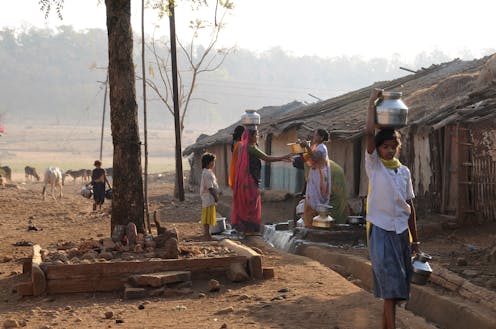
The Glasgow climate change conference is in its second week, with Tuesday November 9 dedicated to recognising gender equality, and the empowerment of women and girls in climate policy and action.
Gender inequality means women and girls will experience climate change in unique and different ways. They are more likely to die in extreme weather events than men. And as climate change brings about forced migration, loss of housing and income, they are vulnerable to gender-based violence.
Child marriage is a common coping mechanism for many families facing climate stress. For example, in 2016 a 15-year-old girl in Mozambique was married in exchange for 2,000 Mozambican Metical (approximately A$42) to forestall her family’s climate-induced poverty.
There is also strong evidence regarding the impact of climate change on girls’ education. In particular, it will exacerbate the already existing barriers girls face. These include learning disruptions due to inadequate funds for school fees, as well as food, water and menstrual hygiene products. During natural disasters girls experience an increase in care work and disruptions due to forced displacement or migration.
Read more: COVID is forcing millions of girls out of school in South-east Asia and the Pacific
The Malala Fund estimates the climate events of 2021 will prevent at least 4 million girls from completing their education. Similarly, a new report from NGO Plan International shows if current trends continue, by 2025 climate change will be a contributing factor in preventing at least 12.5 million girls each year from completing their education. The report states:
Even though girls are significantly impacted by climate change, they are also powerful agents of change, capable of strengthening a country’s response to climate change.
Why education for girls is crucial
In describing the COP26 summit as “a two-week long celebration of business as usual and blah, blah, blah,” activist Greta Thunberg summed up the attitude of many young people protesting around the world. That is, political leaders are protecting their own interests at the expense of future generations.
The growing youth activism is acknowledgement this damaged planet is theirs to inherit and fix. Young people in our region will endure an increase in severe weather events, a rise in food insecurity, challenges to their health from poorer air quality and pollution, and the impact of species’ extinction and biodiversity change.
In the face of these challenges, education for all young people is crucial. But in particular, education, empowerment and leadership of girls and young women is the key to climate resilience.
Project Drawdown, a global research project which identifies and assesses solutions to climate change, notes that education
shores up resilience and equips girls and women to face the impacts of climate change. They can be more effective stewards of food, soil, trees, and water, even as nature’s cycles change.
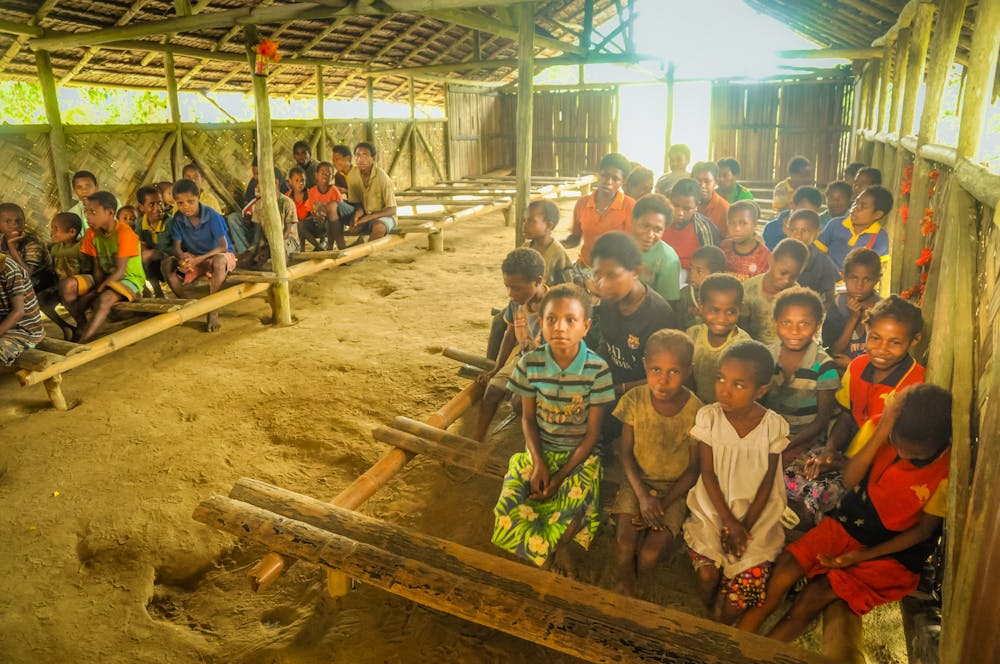
Education for girls can be a pathway for fighting the climate crisis in three key ways:
education in both the sciences and social sciences is necessary to address climate change. Girls’ participation in these fields will drive innovation in green technologies as well as a social approach to resilience built on equality
formal education can build on women and girls’ existing community-based knowledge regarding disaster risk reduction and help them respond to climate emergencies
education creates pathways to more independent decision-making for women and girls around work, family planning and community engagement. It also creates opportunities for leadership and participation in formal decision-making.
Girls and young women are already leading the way in climate responses in the region. For example, 17-year-old Anjali Sharma led a landmark class action – with seven other teenagers – in the Australian Federal Court against Australia’s environment minister Sussan Ley. The group was seeking an injunction to prevent Ley approving a coal mine expansion, arguing it would contribute to climate change which endangers their future.
The Malala Fund also iterates the importance of investing in girls’ education in the fight against climate change. It argues such investment increases social resilience and strengthens adaption and mitigation efforts.
Australia can do more
The Plan International report shows that in 2019, Australia spent A$516 million of its official development assistance on projects which targeted action against climate change.
That represents just 25% of Australia’s development assistance, putting Australia in 12th place among the OECD’s 30 development committee donors.
Plan International’s report also shows climate education is absent in Australia’s recent development policies and education strategies. For instance, Australia’s Partnerships for Recovery: Australia’s COVID-19 Development Response’ policy — launched in May 2020 — fails to mention climate change among the three pillars of Australia’s Department of Foreign Affairs and Trade.
Read more: Ever wondered what our curriculum teaches kids about climate change? The answer is 'not much'
Young people are demanding change from those in power, organising in their communities to educate one another, engaging in activities to protect the environment and adapt to its changes, and demanding to be heard.
Australia must be more ambitious in ensuring youth and young women are prepared for the challenges ahead. By prioritising girls’ education in its funding and partnerships for regional development, Australia can promote gender equitable climate leadership.
Political leaders have a responsibility not only to engage and respond to young people, but also to build their capacity to face climate change, now and in the future.
Authors: Betty Barkha, PhD Candidate, Monash University


 Daily Bulletin


