

Feel alone in your eco-anxiety? Don't – it's remarkably common to feel dread about environmental decline
- Written by: Teaghan Hogg, PhD student, Clinical Psychology, University of Canberra
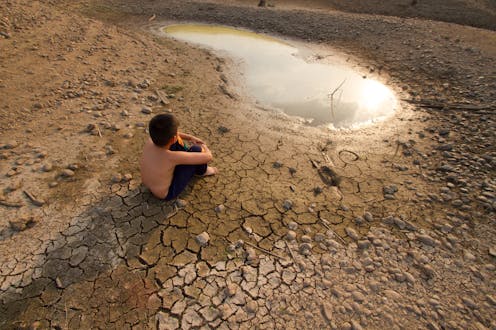
Feeling anxious about the ecological crises we face is entirely understandable, given the enormity of the threats.
Eco-anxiety is sometimes described as a mental health problem. It’s not. Eco-anxiety is a rational psychological and emotional response to the overlapping ecological crises we now face.
If you feel this way, you are not alone. We have found eco-anxiety is remarkably common. Almost two-thirds of Australian participants in our recent surveys reported feeling eco-anxiety at least “some of the time”.
The response can be triggered by media stories on environmental and climate crises as well as human efforts to combat them. This includes the barrage of media from the United Nations climate conference, or COP26, now underway in Glasgow.
In this age of ecological reckoning, eco-anxiety is not going to go away. That means we must learn how to cope with it – and perhaps even harness it to drive us to find solutions
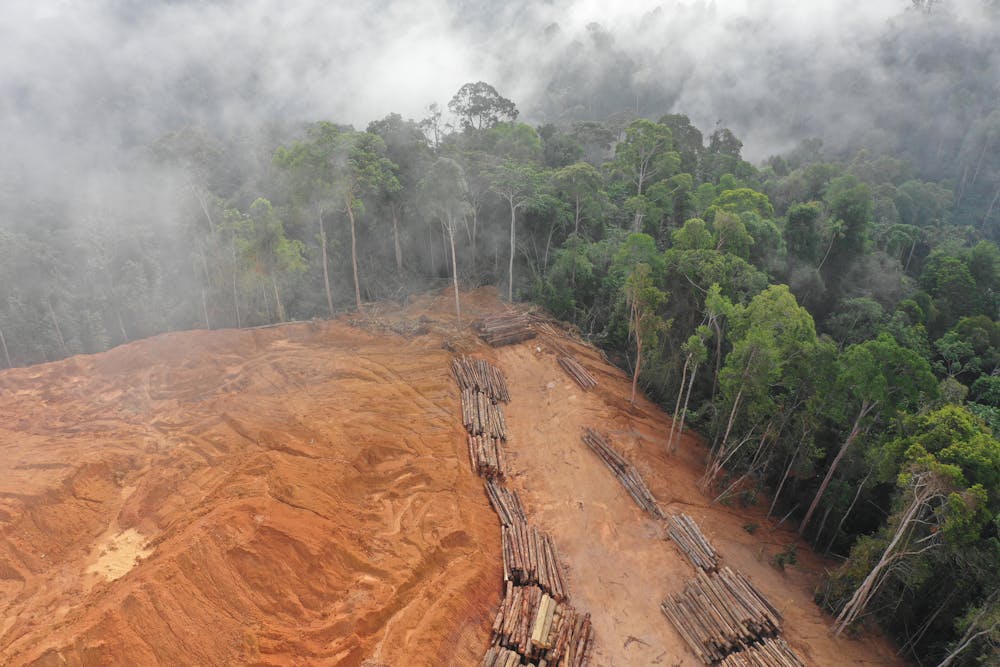
Dwelling on problems we contribute to
Our study found four key features of eco-anxiety:
- affective symptoms, such as feelings of anxiety and worry
- rumination, meaning persistent thoughts which can keep you up at night
- behavioural symptoms, such as difficulty sleeping, working, studying or socialising
- anxiety about your personal impact on the planet.
We found similar levels of eco-anxiety in our surveys of 334 Australians and 735 New Zealanders, with people affected in similar ways in both countries. This supports emerging research, which found more than half of young people surveyed across ten countries experienced climate anxiety. Feeling anxious about the state of the planet is likely to be universal.
When we asked Australians how it affected them, they told us eco-anxiety affected everything from their mood to their daily routine to their relationships. It even affected their ability to concentrate, work or study. For some, eco-anxiety made them feel restless, tense and agitated. New Zealanders reported similar impacts.
Read more: The rise of 'eco-anxiety': climate change affects our mental health, too
Our study found people were also anxious about their personal contribution to the deteriorating state of the planet. Some participants noted the state of the planet made them “extremely anxious”, so much so they “find it hard to think about anything else”.
Other research shows many people are anxious about how their personal behaviours impact the earth, such as consumerism or flying. Some young adults are choosing to have fewer children, or none at all, out of concern their children will contribute to the climate crisis or will inherit a degraded world.
These fears appeared in our study too, with one parent participant noting:
My biggest worry is that climate change will affect my child in their lifetime, and I get very upset that I won’t be able to protect him from the effects of it.
Is eco-anxiety different to generalised anxiety?
Eco-anxiety has similarities with generalised anxiety and stress, but we found important differences, such as the focus on environmental issues and our contribution to the problem.
We also found people experience eco-anxiety independent of depression, anxiety and stress, suggesting it’s a unique experience.
While it is possible to experience eco-anxiety as someone who is otherwise mentally well, many people experience it on top of existing mental health issues.
What we need to do now is understand what eco-anxiety means for individual (and planetary) well-being, and provide support to people with varying degrees of this anxiety.
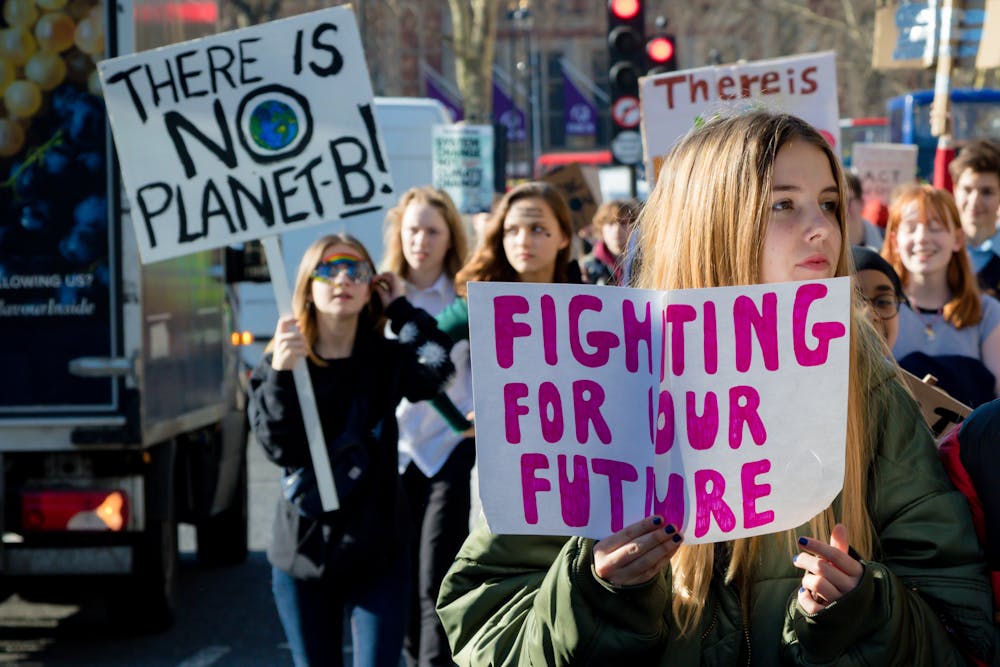 School students marching for climate action in the UK, 2019.
Shutterstock
School students marching for climate action in the UK, 2019.
Shutterstock
Four ways to cope with your eco-anxiety
Eco-anxiety is not going to go away as an issue, given the range of environmental issues the world is confronting. To stop these feelings becoming overwhelming or debilitating, there are a range of behavioural, cognitive and emotional strategies people can use to cope.
Here are four techniques:
validation One part of managing your own anxiety is to validate it, by acknowledging it makes sense to feel anxious and distressed
time out Another technique is to take mental breaks and avoid your 24/7 news feed to give yourself time to restore a sense of balance
seek hope Cultivating a realistic sense of hope about the future can also reduce anxiety emerging from our awareness of ecological threats. That means appreciating the complexity of the problem, while also searching for alternative visions of the future and trusting that we, as a collective, will eventually resolve the crisis before it’s too late
take action Many of us struggle with a sense of overwhelming powerlessness in the face of a deteriorating climate. This can be self-reinforcing. To combat this, you can try action - whether changing your own behaviour or getting involved in campaigns.
As climate campaigner Greta Thunberg has said, “no one is too small to make a difference”.
Climate change has been described as the greatest collective action problem we have ever faced. That means the necessary changes will have to come from the collective action of all individuals, industries and governments. We all must act together now, just as we have in combating the COVID pandemic.
Eco-anxiety is increasingly common. But being concerned about environmental crises does not need to come at the cost of your health and wellbeing.
After all, psychological, emotional and behavioural burnout is not helpful for you – or the planet.
Authors: Teaghan Hogg, PhD student, Clinical Psychology, University of Canberra


 Daily Bulletin


