

If New Zealand can radically reform its health system, why not do the same for welfare?
- Written by: Louise Humpage, Associate Professor of Sociology, University of Auckland
The government’s recently announced health sector reforms go well beyond what its expert health review had recommended. This was rightly welcomed by many in the sector, but it does raise the question: if radical change can be made in health, why not the same for welfare?
For years now, benefit recipients, welfare advocates and their allies have been calling for a significant increase in core benefit levels to provide a liveable income.
They have also called for major changes in how Work and Income (WINZ) deals with people with chronic illness and disability and those in relationships; how it treats benefit recipients seeking assistance; and how it makes decisions about discretionary hardship and supplementary assistance.
Back in 2019, the Welfare Expert Advisory Group’s analysis stressed that immediate and significant reform in all of these areas was long overdue. It made 42 key recommendations but only a handful have been addressed. Almost two years on, we are still waiting for real action.
Life on a benefit ‘soul destroying’
My recent research involving benefit recipients’ experiences during the COVID-19 pandemic suggests this delay is causing real hardship and emotional stress for those relying on core benefits to survive.
Only some of those interviewed had received the full $25 per week increase provided in April 2020, due to reduced Temporary Additional Support payments or increased public housing rents. This year’s indexation of benefits to wages was welcome but inadequate to meet significant shortfalls in weekly income.
They have described their lives as “soul destroying” and a “daily grind”, resulting in feelings of hopelessness, despair and the impression they did not belong to the “team of five million”.
During the national lockdown, for example, already inadequate food budgets were made to stretch even further as shoppers hoarded staples, cheaper options flew off the shelves, and people with disabilities or sole parents who were not allowed to take their children shopping had to pay delivery charges.
Dangers of a two-tier welfare system
In response to increasing pressure to act on social security, the government has suggested it might establish a two-tier unemployment insurance scheme. Workers would contribute directly to an unemployment insurance fund that would pay a significant proportion (possibly up to 80%) of their previous wages if they become unemployed.
But this would simply mean those who have been recently employed will be better off than those who have not.
The same principle underpinned the government’s Income Relief Payment for those who lost their jobs due to COVID-19. This benefit was paid at a higher rate and with easier eligibility conditions than the standard Jobseeker Support.
Unemployment insurance is common in some countries, so there is considerable international evidence indicating it creates a two-tier system: those already well off due to high wages continue to be privileged by receiving higher unemployment benefits than those on lower wages when they become unemployed.
At least, they are better off for one or two years, before they are relegated to the safety net system that sole parents, people with disabilities or chronic illness, refugees, migrants and others with weak attachment to the labour market are forced to rely on.
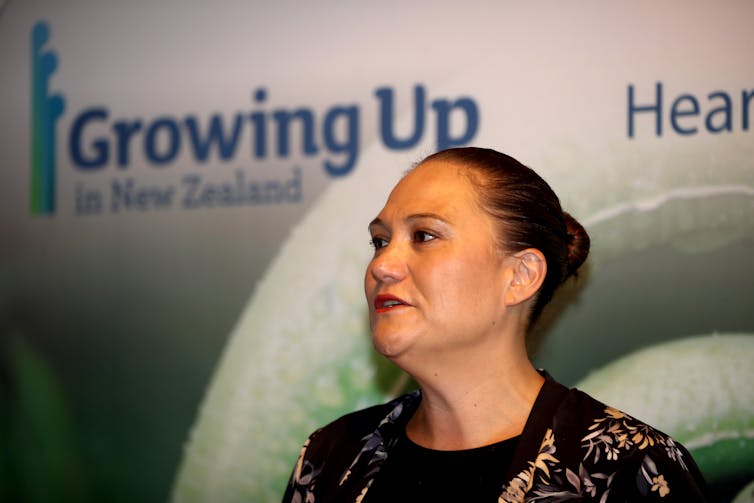 Minister for Social Development Carmel Sepuloni: will she get more to spend in the May 20 Budget?
GettyImages
Minister for Social Development Carmel Sepuloni: will she get more to spend in the May 20 Budget?
GettyImages
Privileging the already privileged
Such systems usually offer very low core benefits and increase social stigma by suggesting these groups are not as “deserving” as those more recently unemployed.
Indeed, one of my research participants described how the temporary Income Relief Payment came as a “kick in the gut” and was a significant blow to their mental health for precisely this reason.
Read more: New authority could transform Māori health, but only if it's a leader, not a partner
A permanent form of unemployment insurance would send the message that we care more about shoring up the middle class, who already own homes and have retirement investments, than ensuring sick and disabled people or sole parents have enough to eat and a healthy home to live in.
Introducing an unemployment insurance system wouldn’t improve the living standards and emotional well-being of the sole parents and those living with disabilities or chronic illness who took part in my research.
Liveable incomes for all
Nor would it improve the “toxic culture” of WINZ or address many of the other problems highlighted by the Welfare Expert Working Group and various research studies.
Rather, it will reinforce existing inequalities, likely increase child poverty rates, and take up public service time and resources that could be better spent improving the current welfare system.
Read more: Children had no say in New Zealand's well-being budget, and that matters
The radical reform we need is a system that provides a liveable income for all when we are unable to support ourselves, as is often inevitable at some stage in our lives.
This system would treat benefit recipients with dignity and respect, no matter what their circumstances or prior history, value the contributions sole parents make to society by bringing up our tamariki, and recognise the particular needs and strengths of people living with disability or illness.
This is the kind of welfare overhaul I hope is announced in the 2021 Budget.
Authors: Louise Humpage, Associate Professor of Sociology, University of Auckland


 Daily Bulletin


