

Worried about COVID risk on a flight? Here's what you can do to protect yourself — and how airlines can step up
- Written by: Ramon Zenel Shaban, Clinical Chair and Professor of Infection Prevention and Disease Control at the University of Sydney, University of Sydney
Airline travel health advice has so far mostly focused on how to stay hydrated and avoid deep vein thrombosis. What passengers really want, however, is a heightened focus on infection prevention and disease control, free masks, complimentary hand sanitiser, and more space between passengers on the plane.
That’s according to our new study, published in the journal Infection, Disease and Health, which drew on survey responses from 205 frequent flyers across the world.
Airline ticket bookings are likely to soar as borders open between New South Wales, Victoria and Queensland.
The aviation industry, which has been decimated by COVID-19, must work hard to restore customers’ faith in their commitment to infection control measures.
Here’s what you need to know if you’re considering taking a plane trip soon — and what the airlines can do to reduce risk.
Read more: Plane cabins are havens for germs. Here's how they can clean up their act
Plane trips and COVID risk: what you need to know
Adopting a set of well established infection prevention and control measures will help minimise the risk of contracting COVID during a flight.
We would fly, if we had to — but we would follow all the same measures we would if we were catching a train or other form of public transport.
Those measures include, but are not limited to:
- staying home if unwell. Even if you have the mildest respiratory symptoms, such as a slightly sore throat or hint of a fever, you should not go to the airport and you should not catch a plane. Self-isolate and get tested without delay
- washing your hands regularly or using alcohol-based hand rub systematically
- observing physical distancing
- staying seated and avoiding touching your face
- where physical distancing isn’t possible, wearing a face mask.
These are the same long-held set of recommendations you should be following anyway, whether you are catching the train to work or shopping in a supermarket.
Using these well established infection control measures routinely and systematically will render the risk of contracting COVID during a plane trip low.
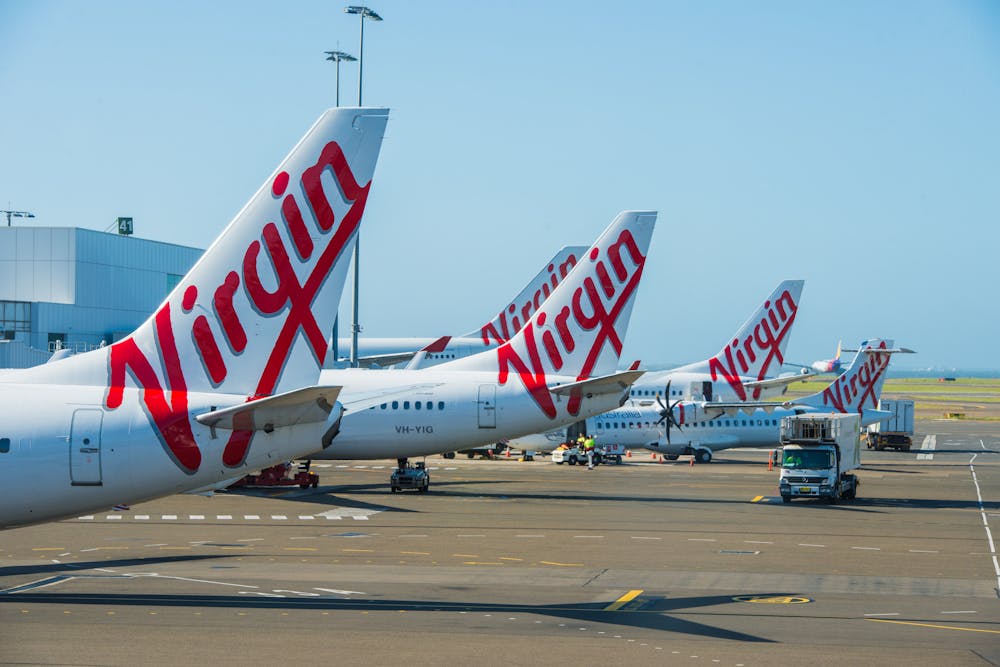 Adopting a set of well established infections prevention and control measures will help to minimise the risk of contracting COVID-19 during a flight.
Shutterstock
Adopting a set of well established infections prevention and control measures will help to minimise the risk of contracting COVID-19 during a flight.
Shutterstock
Passengers want more from airlines
The main finding from our study is that the flying public — in particular, frequent flyers — want more from their airlines about how to keep safe from infectious diseases.
We surveyed 205 frequent-flying adults across Facebook, Twitter and LinkedIn on what they thought airlines need to do to restore passengers confidence and sense of security.
We found:
- 75.6% reported feeling “somewhat” to “extremely” concerned about contracting an infectious disease while flying, particularly respiratory-related infectious diseases
- Only 9.8% thought their preferred airline saw their health as an “essential priority”
- 86.8% wanted airlines to provide complimentary hand sanitiser
- 86.8% wanted airlines to provide complimentary sanitary wipes
- 64.4% wanted airlines to provide complimentary masks
- 90.7% wanted airlines to provide more information about preventing the spread of infections, which would make the majority feel safer to fly.
More than half of respondents reported never carrying their own alcohol-based hand sanitiser or sanitary wipes on flights in the past. Female respondents were more likely to carry alcohol-based hand sanitisers or sanitary wipes while flying.
We also asked respondents how often they wore a face mask before COVID, to protect themselves from infectious diseases while travelling by air. The vast majority (83.4%) said they never wore one.
However, the majority (83.4%) reported they would to “some extent” feel safe to fly if all passengers and staff were required to wear face masks while flying.
In other words, our study showed people are really prepared to engage in behaviours to reduce risk — some of which they expect airlines to support and others they would support themselves.
COVID-19 spreads around the world on planes
According to the International Air Transport Association, since 2020 began there have been “44 cases of COVID-19 reported in which transmission is thought to have been associated with a flight journey (inclusive of confirmed, probable and potential cases)”.
It’s important to note COVID-19 is a disease spread globally very quickly, via travellers who are infected.
Like many countries, Australia has imposed mandatory quarantine for international arrivals, which is where the infection in travellers is identified. That shows we — both passengers and airlines — must do all we can to implement proper infection prevention control measures around air travel.
Many airlines have introduced measures to reduce COVID-19 risk, such as temperature screening, physical distancing at check-in, and encouraging masks at the airport. That’s good but the research is telling us passengers want more.
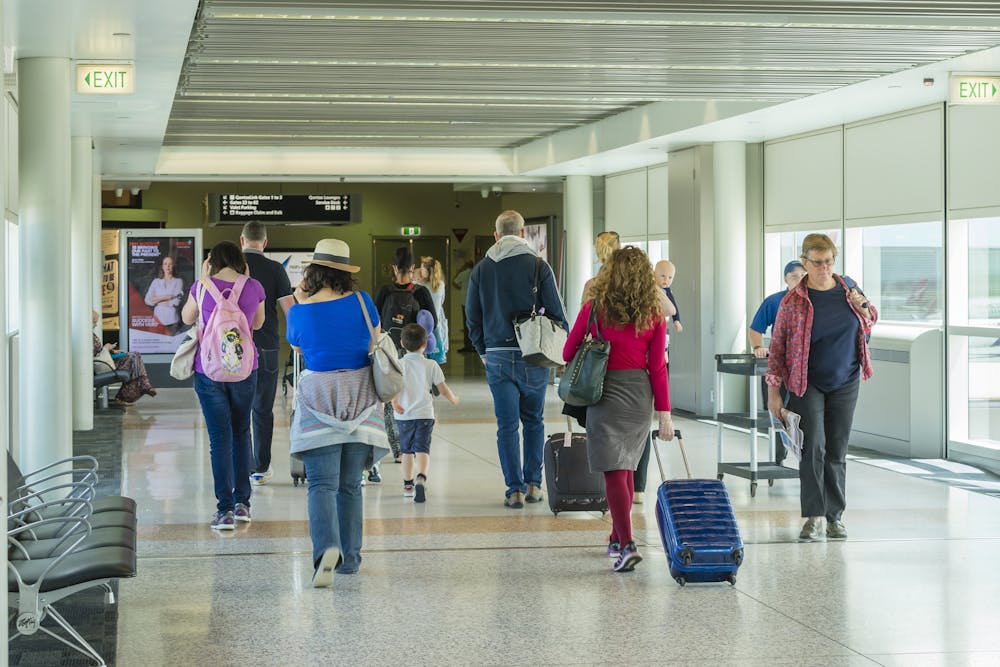 Many airlines have introduced measures to reduce COVID-19 risk, such as temperature screening, physical distancing at check-in and encouraging masks at the airport. But passengers want more.
Shutterstock
Many airlines have introduced measures to reduce COVID-19 risk, such as temperature screening, physical distancing at check-in and encouraging masks at the airport. But passengers want more.
Shutterstock
As promising results emerge from the many COVID-19 vaccine trials underway around the world, Qantas CEO Alan Joyce has said:
We are looking at changing the terms and conditions to say for international travellers that we will ask people to have the vaccination before they get on the aircraft.
Vaccination is a really important way to prevent the spread of disease and it’s useful for airlines to signal vaccines are coming and are important to them.
We have some way to go before vaccines are available, and there much we don’t yet know — such as how long immunity from a vaccine might last or if booster doses might be required. So there are a range of factors to consider if airlines are to mandate vaccination for their passengers.
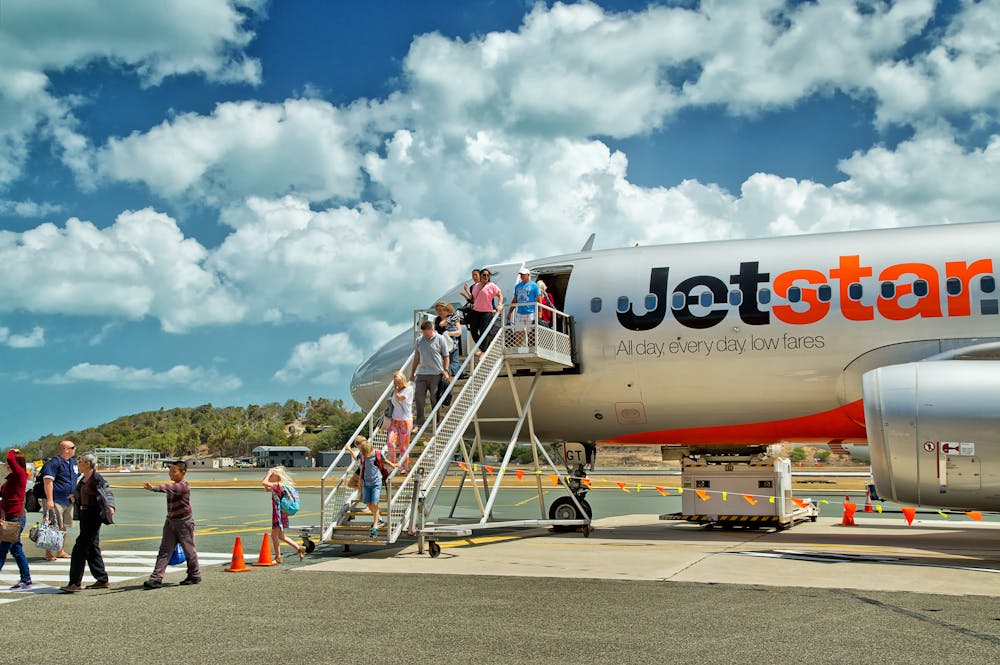 It’s useful for airlines to signal vaccines are coming and are important to them.
Shutterstock
It’s useful for airlines to signal vaccines are coming and are important to them.
Shutterstock
Joyce has also said it would be “uneconomical” to leave the middle seat in every row empty, instead pointing out its aircraft air conditioning units feature hospital-grade HEPA filters, which remove 99.9% of all particles, including viruses.
HEPA filters in closed spaces make good sense and are important. But they are not the be all and end all. If I am next to someone on a plane who unknowingly has COVID-19 and they are not wearing a face mask and they sneeze on me, and their droplets get into my eyes, nose or mouth, then I am at risk of contracting COVID-19 despite HEPA filtration in the cabin.
In other words, the best protection comes from adopting basic measures systematically. That includes staying home, isolating and getting tested if you have even the mildest of symptoms. It means regular hand hygiene, avoiding touching your face, physical distancing, and using a face mask if you cannot physically distance.
Practising these measures routinely, together with other measures like cabin air filtration, go a long way to keep us safe from infectious diseases when we fly.
Read more: Why the Oxford AstraZeneca vaccine is now a global game changer
Authors: Ramon Zenel Shaban, Clinical Chair and Professor of Infection Prevention and Disease Control at the University of Sydney, University of Sydney


 Daily Bulletin


