

Reconnecting after coronavirus – 4 key ways cities can counter anxiety and loneliness
- Written by: Roger Patulny, Associate Professor of Sociology, University of Wollongong
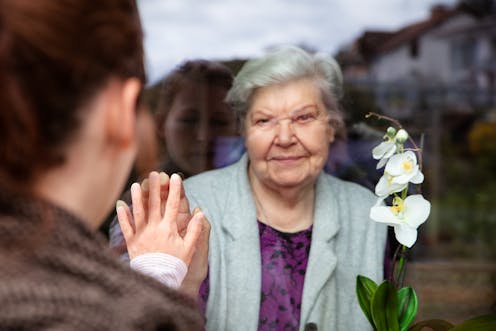
COVID-19 has forced us into social distancing, isolation and quarantine. These conditions are likely fostering widespread anxiety and loneliness in our cities. However, they’ve also made the need for socially connected, vibrant public spaces obvious to all.
We offer four strategies for rebuilding social connectivity and emotional well-being in our cities, once restrictions are lifted.
Read more: Is your mental health deteriorating during the coronavirus pandemic? Here's what to look out for
Changing the emotional climate
Enforced distancing measures are probably changing not just our work, travel and family routines, but how we interact with others and how we feel about ourselves and our communities.
Loneliness is bad for your health and is likely on the rise. There is no guarantee the pandemic-driven shift towards more digital communication will compensate for the lost emotional closeness of in-person contact.
As loneliness becomes more common, it creates a change in what sociologists refer to as “emotional climates” – the collective feelings experienced and shared by most people within a given city or society. A “mass emotional event” like COVID-19 can dramatically alter the emotional climate. It’s so disruptive that it leads to a permanent change in everyday emotional states, expressions and social interactions.
Read more: Designing cities to counter loneliness? Let's explore the possibilities
COVID-19 has strong potential to make us not only lonelier, but more distrustful, fearful, anxious and angry. The emerging evidence of this includes: panic buying of goods; abuse and stigma of “risky” carers such as health workers; and potential increases in domestic violence and animal cruelty.
It has even been suggested we are collectively processing and moving through the stages of mass grief.
It’s important to remedy negative emotional climates with strategies to reconnect communities, allay fears and better prepare us for any future shutdowns. We can even aim to promote positive emotional climates and “kindness pandemics”.
4 ways to build better communities
COVID-19 is an opportunity to build on what we know and to learn from this situation. It’s possible to promote social and emotional well-being. We suggest four key approaches for building better communities that do this.
1) Design walkable, social, flexible public spaces
Recent work-from-home practices have reduced car traffic by up to 50% on arterial roads. However, they have also prompted cabin fever and a craving for exercise and social contact.
Cities and suburbs should be redesigned to support physical and social activity and mental health. We need a greater emphasis on cycle- and pedestrian-friendly spaces. There should also be renewed focus on building walkable town centres and neighbourhood high streets, rather than continuing with car-dependent suburban sprawl.
Recent examples of innovative and flexible use of space by business are inspiring. Whether cafes become corner stores, pubs sell takeaway cocktails, parks become gyms, or car parks become pop-up businesses, flexible use of space should become commonplace.
Read more: Coronavirus reminds us how liveable neighbourhoods matter for our well-being
2) Integrate public and online spaces
Our new online communication skills can help us develop a better physical-digital interface for bringing people together.
Video conferencing is flexible and can enable long-distance connection and “work from home” hubs. However, social media platforms, such as Facebook, Meetup, WhatsApp or art-based apps like Somebody, are useful for organising physical meetings too. These can can help with community volunteering, socialising, or simply sharing guerrilla-garden herbs for local cooking.
A better physical-digital interface could help new jobs flourish in “interactive” creative industries that virtually connect isolated individuals. New art spaces could be established, putting connective digital infrastructure, such as audio-visual platforms, within physical spaces to help face-to-face and virtual audiences interact.
Read more: Many people feel lonely in the city, but perhaps 'third places' can help with that
3) Provide quality housing
COVID-19 has exposed the vast variability in the quality of Australian housing. Many homes lack the space to accommodate work, study, relaxation, exercise and socialising, or spaces where people can seek privacy and quiet. Housing also varies in its access to fresh air, light, temperature control and healthy green spaces.
Designing future homes with these needs and features in mind should be a priority.
4) Build with different needs and stigma in mind
The impacts of COVID-19 will not be felt equally. Post-COVID-19 cities should take this into account.
COVID-19 has exposed the vulnerability of people experiencing homelessness. It has also greatly increased the risk of loneliness for the one in four Australians who live alone. This applies particularly to older Australians with a mobility impairment.
The pandemic has also highlighted the safety risks of centralised living arrangements like nursing homes.
We must prioritise the creation of housing that reduces isolation and promotes social connection.
Read more: Apartment life for families means living at close quarters, but often feeling isolated too
Recent positive public conversations on social media and within the arts community on previously stigmatised emotions like loneliness and anxiety will help keep these concerns on the public agenda.
Authors: Roger Patulny, Associate Professor of Sociology, University of Wollongong


 Daily Bulletin


