

8 tips on what to tell your kids about coronavirus
- Written by: Mandie Shean, Lecturer, School of Education, Edith Cowan University
As the number of new cases of coronavirus infection continue to rise the impact is now being felt in schools in Australia. At least four closed due to students and a staff member testing positive for the virus. Most international travel by Queensland students is also banned.
It’s therefore important for parents to be there for their children to ease any concerns they may have about the virus and how it could affect them.
One thing to note is the number of reported infection cases in children remains low: of more than 44,000 confirmed cases from China, only 416 (less than 1%) were aged nine years or younger. No deaths were reported in this age group.
Read more: Worried about your child getting coronavirus? Here's what you need to know
Children are either being infected less or exhibit milder symptoms, but they may still play an important role in transmitting the virus.
So here’s some advice for parents to help them and their children stay informed.
1. Control during uncertainty
The new coronavirus SARS-CoV-2 causes the disease COVID-19, which can be like a common cold but it can also have more serious complications. Signs of infection may include: fever, cough and shortness of breath. More severe cases can involve pneumonia, kidney failure and even death.
The spread of SARS-CoV-2 has not yet been declared a pandemic but the Australian government has said it’s operating on the basis that it has.
One reason people experience anxiety during a pandemic is uncertainty about its impact. Research during the 2009 swine flu (H1N1) pandemic found those people who struggled with uncertainty were more likely to see the pandemic as threatening, and this can lead to increased levels of anxiety.
One way to provide our children with certainty in uncertain times is with facts, for example, telling them the evidence so far shows children are less likely to experience severe symptoms than older adults.
You can also help them gain a sense of control by giving them strategies to help prevent them catching the virus.
2. Practise good hygiene
The World Health Organisation (WHO) says we should channel our concern into good hygiene.
Encourage your children to wash their hands with soap and water frequently (particularly after going to the toilet, coming from a public place, and before and after eating).
Encourage your children to wash their hands frequently.Children should also use a tissue to sneeze into and put the tissue in the bin afterwards.
3. Be careful with the news media
A quick scan of the news brings up headlines such as “Australia’s coronavirus death rate could proportionally be worse than China’s, expert warns”. This report even includes a graph showing “How likely are you to die from Coronavirus?”
Exposing children to such reports can increase their fear and anxiety.
There is a clear and strong relationship between what children see as threatening information in the media and their level of fear.
So be careful with what news media your children are exposed to. Try to watch, listen or read it with them so you are there for any questions they may have.
4. Stay with the facts
When answering such questions, use information from the World Health Organisation and other trustworthy sources to inform yourself.
Filter some of the incorrect information around preventing COVID-19 (eating garlic, having hot baths) and inform your family with the correct information. Don’t be someone who passes on incorrect information to your children or others.
5. Talk about your feelings
It’s OK to feel worried. Talking about your feelings of stress can help you work through them.
If you try to push down feelings of stress this can have an impact on your health.
As parents you only have to listen and hear your child’s concerns. You can’t promise things will be safe or certain. But you can assure them that as a family you will work together to manage whatever comes up in the future and that you are there to listen to them.
6. Don’t pass on your fear
Research from the 2009 Swine Flu pandemic showed children’s fear of the disease was significantly related to their parents’ fear of the disease.
This effect of parents passing on fear even exists when there is nothing to fear. Research showed if parents get negative information about something that is harmless, they are more likely to pass on those negative beliefs to their children and increase their level of fear.
So even if you feel stressed about COVID-19, you need to make sure you don’t pass on this fear to your children. Show them you are calm. Don’t be a carrier for fear.
7. Keep on living life
It is easy to get swept away with panic about the future and what may happen. But being future-focused only contributes to anxiety.
Help your child to focus on the now and what they are doing today. These things are in their control – work hard at school, train for basketball. Continue their routine and enjoy the moments.
Read more: Coronavirus fears can trigger anti-Chinese prejudice. Here's how schools can help
8. Work together
This is not a time to be selfish, but to work together and support one another.
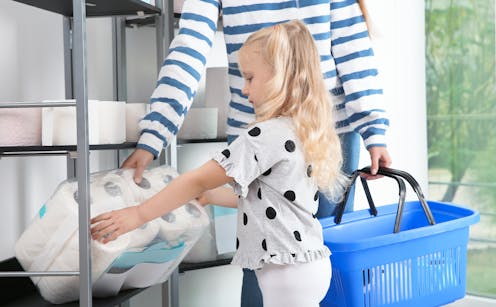
Be kind to others (don’t steal their toilet paper) and encourage your children to be kind to others as well.
Being less self-focused helps to alleviate stress and give life more meaning and purpose.
Authors: Mandie Shean, Lecturer, School of Education, Edith Cowan University
Read more https://theconversation.com/8-tips-on-what-to-tell-your-kids-about-coronavirus-133346


 Daily Bulletin


