

Aussie dad invents life-changing health device to reduce and eliminate aches and pains
- Written by: Daily Bulletin
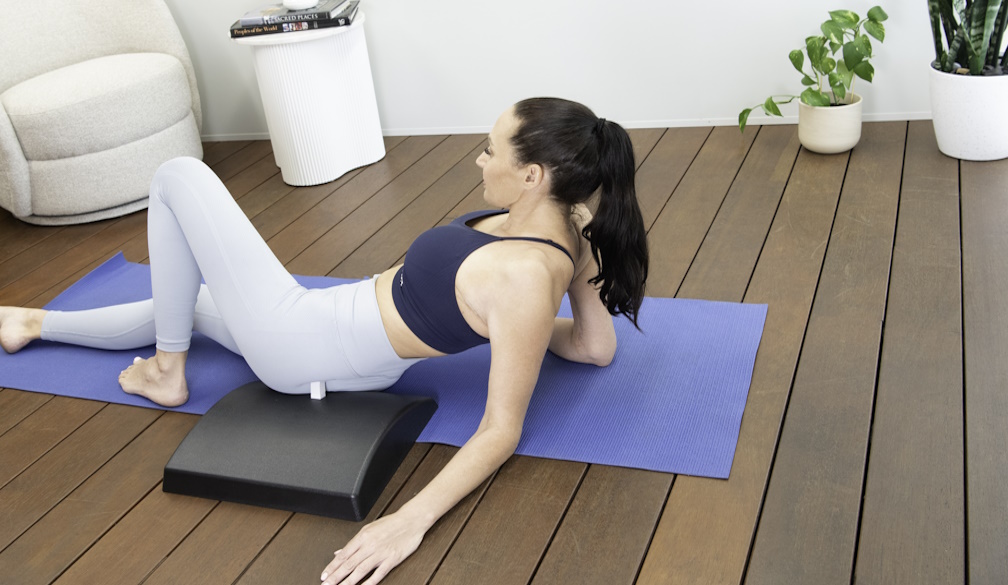
After years of physical labour, chronic pain and countless failed attempts to find relief, one Australian father decided to stop searching for solutions and start creating one himself.
NSW-based inventor Malcolm Trotter has developed what is now known as the Acupressure Pillow, a simple but highly effective health device that is helping people across Australia and internationally manage aches and pains in the comfort of their own home.
For Trotter, the invention was born out of necessity rather than ambition.
“I spent years working in the fishing industry, which is incredibly physical,” he said.
“My body was constantly sore. The aches and pains became part of daily life.”
Years of pain, consultations and disappointment
Like many Australians dealing with long-term pain, Trotter tried everything available to him. He spent years attending consultations, seeking professional advice and purchasing products that promised relief but failed to deliver lasting results.
“I invested a lot of time and money trying to fix the problem,” he said.
“Nothing really worked. Either the relief was temporary or there was no difference at all.”
Frustrated and determined, Trotter decided to take a different approach.
“I reached a point where I thought, if I can’t find something that works, I’ll try to build it myself,” he said.
From backyard prototype to breakthrough
Trotter’s first version of the Acupressure Pillow was basic. Built from wood and designed purely for personal use, it was never intended to become a commercial product.
But when he started using it, the results were immediate.
“It worked. It relieved the pain, and over time I felt better than I had in years,” he said.
Encouraged by the outcome, Trotter refined the design, tested it extensively and continued improving it until he was confident it could help others experiencing similar issues. He also consulted with the health and wellness sector to refine the product so that it was safe and highly usable.
Turning a personal solution into a shared one
With the support of his daughter, Cloe Trotter, Malcolm patented the design and brought the Acupressure Pillow to market. Together, they built an Australian wellness brand focused on practical, drug-free pain management.
The pillow applies targeted acupressure to key areas of the body, helping release muscle tension, improve circulation and promote relaxation without medication or invasive treatment.
“What matters to us is that it’s simple and accessible,” Trotter said.
“You can use it at home, on your own terms.”
Helping everyday Australians and elite athletes alike
Today, the Acupressure Pillow is used by people of all ages, including those recovering from physically demanding careers.
High-profile users include NRL legends Glenn Lazarus OAM and Nate Myles, both of whom have spoken about the benefits of using the product to manage long-term aches and pains.
After decades of physical impact, Lazarus said the pillow has helped him address ongoing discomfort and improve daily comfort.
“Acupressure Pillow is a simple yet highly effective device that I can use at home to help sooth and solve aches and pains. It has been brilliant for me,” Lazarus said.
A solution built from lived experience
What sets the Acupressure Pillow apart is its origin. It wasn’t created in a lab or boardroom, but through lived experience, trial and error and the determination of an Australian dad who refused to accept pain as normal.
“This wasn’t about starting a business,” Trotter said.
“It was about getting my life back. If it helps others do the same, that’s incredibly meaningful.”
About The Acupressure Pillow
The Acupressure Pillow is an Australian-owned health and wellness brand offering a simple, drug-free way to help reduce and manage everyday aches and pains at home. Founded by father-and-daughter duo Malcolm Trotter and Cloe Trotter, the product was invented by Malcolm after years of physical work and personal experience with chronic pain. Designed to support the body’s natural healing response, the Acupressure Pillow is now used by people across Australia and internationally to relieve muscle tension, improve circulation and support overall wellbeing. Glenn Lazarus OAM and Nate Myles are ambassadors for the business.
For more information, visit www.acupressurepillow.com.au.

 Daily Bulletin


