


Creative ways to support key skills in early childhood
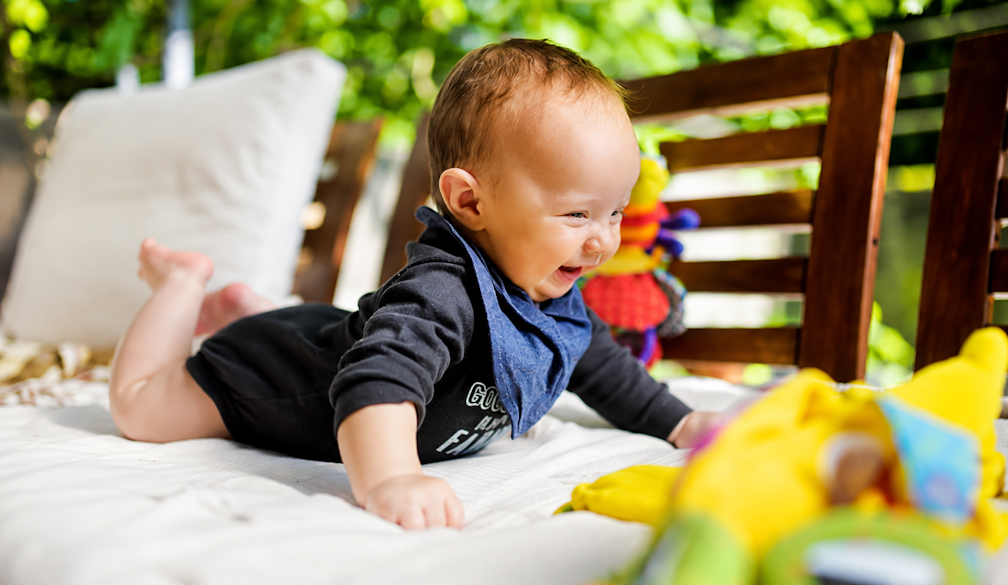
From everyday play to confidence-building activities, the allied health team at Talk Health Therapy share simple ideas that help children develop strength, coordination and independence.
The early years are a time of discovery and exploration. For many neurodiverse children or children with developmental delays, building movement skills isn’t just about helping them reach necessary milestones; it’s about developing the skills, body awareness and the strength needed to participate in everyday routines. They’re the stepping stones that help little ones grow stronger and more capable in their everyday movements.
It’s why Talk Health Therapy, a specialist allied health support team that brings NDIS care to Australians’ doorsteps, is encouraging families to think creatively about play. With the right mix of fun and interaction, everyday activities can become powerful opportunities for learning and development.
Tummy time
Tummy time is one of the best ways to help babies build strength in their early months, but it doesn’t have to feel like hard work. There are plenty of simple ways to make it fun.
Try popping a few colourful toys just out of reach so your baby has a reason to lift their head and look around. A soft play mat with dangling toys or a mirror works wonders too, and many babies love lying on their parent’s chest for a bit of tummy time with cuddles built in. For neurodiverse children, familiar sensory input, such as gentle music or calm chatter, can also help them stay involved and regulated.
“Parents don’t need fancy equipment,” says Benjamin Ho, Managing Director and Principal Physiotherapist at Talk Health Therapy. “What matters most is interaction. Babies love it when you’re right there with them, making playtime engaging and a great time for connection”.
Encouraging crawling
Before babies are ready to crawl, they need good head control, strong core muscles and the ability to roll. Once those skills are in place, crawling opens up a whole new way to explore. Babies experiencing developmental challenges, such as low muscle tone or coordination difficulties, may need a little more time to develop these skills. Extra floor play and gentle, repetitive movements can go a long way in helping them gain strength.
Parents can encourage it through simple games. Try “follow the leader” on all fours, place a favourite toy just out of reach, or set up a mini obstacle course with cushions or tunnels. Music can also get babies moving, turning floor time into a rhythm-filled play session.
For children who need more time or sensory support, predictable activities using familiar textures, lights, or rhythms can help maintain interest and reduce overwhelm.
“Crawling looks simple, but it’s one of the best full-body workouts a baby can do,” says Ho. “They’re using their arms, legs and core all at once, which builds the strength they’ll need for standing and walking later on. And the best part is, they’re having fun while they do it.”
Standing and climbing
As babies grow, standing with support and taking those first steps is an exciting stage for families. It’s the point where little ones start pulling themselves up, testing their balance and edging closer to walking on their own.
Parents can encourage this by setting up safe furniture for babies to hold as they move along, or placing a favourite toy on top to tempt them to reach. Once they’re confident, sturdy push toys with wide bases can give them the extra support they need to practise walking.
Even small activities, like standing on a cushion or stepping up to grab an object, help build balance and strength. For some added fun, soft pillow “mountains” or cushion tunnels make climbing part of playtime.
Making movement meaningful for sensory needs and emotional regulation
For many children who benefit from some extra guidance with their movement skills, their sensory processing shapes how they respond to activity, how easily they settle and what helps them stay involved. Some children start to make real progress when they have extra input that helps their body feel grounded.
You might notice a child settle as soon as they’re gently rocked. Another might concentrate better after pushing a heavy toy or carrying something with a bit of weight. These patterns are helpful clues about what their body needs to feel organised and ready to have a go at something new.
Slow repetitive movement, soft or familiar textures or even a favourite song can help a child feel more settled. When their body feels calm and supported, they usually have more confidence to explore, practise new skills and enjoy the moment.
A note for families
All children progress at their own pace, and neurodiverse children may explore movement differently or benefit from more sensory support or structured guidance. If parents or educators are concerned about development, participation or movement skills, it’s best to seek advice from a physiotherapist or occupational therapist. Early checks can give peace of mind and, when needed, the right support.
About Talk Health Therapy
Talk Health Therapy is a mobile, NDIS-registered allied health team bringing care directly to those who need it. With over 25 years of experience, their qualified physiotherapists, occupational therapists and allied health professionals are dedicated to helping people move more freely, manage pain and enjoy everyday life with greater ease.


 Daily Bulletin


