

Diabetic Shoes In Australia: What Patients, Families And Carers Should Know About Foot Protection
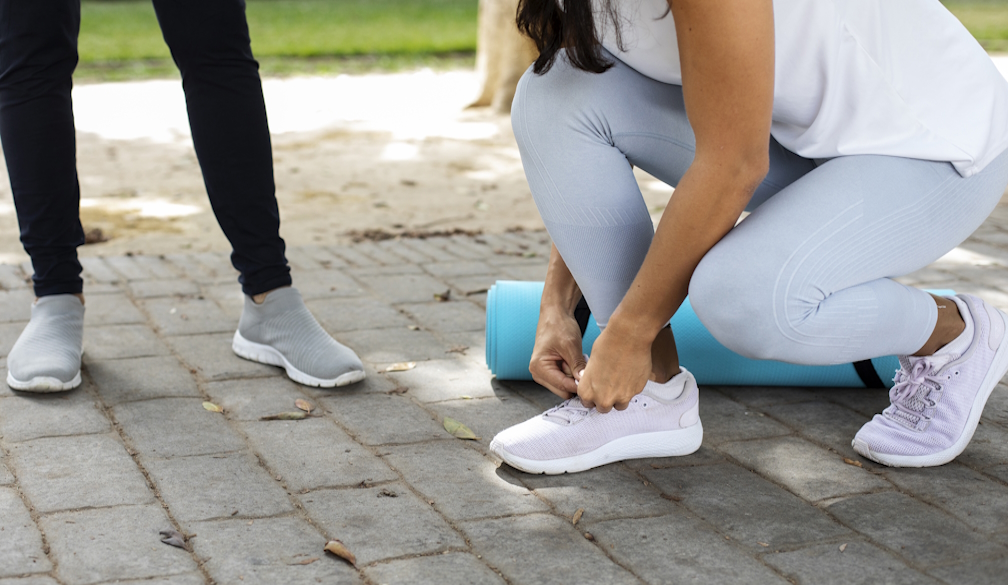
When a family member has diabetes, the importance of “foot care” becomes a significant concern.
It integrates seamlessly into everyday routines. It’s the sort of matter that patients contemplate silently, caregivers consider in the background, and families typically become aware of only when an issue arises.
In reality, numerous foot problems often arise without a significant injury occurring first. They begin with a small, repetitive element. A shoe that consistently causes irritation in the same area. A toe box that constricts. An annoying seam. A tiny blister that often escapes attention. A vibrant location that transforms into a spacious environment.
That's the reason why footwear is important. It goes beyond mere comfort. It’s focused on safeguarding.
This guide is tailored for readers in Australia, encompassing patients, family members, and caregivers. This outlines the practical implications of diabetic foot protection, emphasizing the significant role of shoes and how selecting appropriate footwear can mitigate daily risks. It’s straightforward, encouraging, and centered on practical choices.
Why diabetes changes how you should think about feet
Diabetes can impact feet in various ways, and individuals may encounter different challenges. However, a prevalent risk is that minor issues can escalate if they go unnoticed for too long.
There are two reasons this may occur:
A diminished ability to perceive sensations, leading to a lack of awareness of rubbing, pressure, or minor injuries.
Healing that is less efficient or more intricate, resulting in minor skin injuries taking an extended period to mend.
The objective of foot protection is to minimize the risk of injury from the outset and to identify minor problems promptly before they escalate into significant concerns.
Shoes play a crucial role in that strategy since they are what your feet are in contact with the most throughout the day.
The quiet way foot problems start
Many individuals envision that a foot ulcer begins with a significant event.
In truth, it frequently begins with consistent pressure or friction.
Here’s a typical situation.
A man dons shoes that fit snugly across the forefoot. He takes a daily walk. The same limited area experiences repeated friction. Skin experiences irritation. A blister develops. If he doesn't sense it distinctly, he continues on his path. The blister bursts. The surface reveals itself. At that point, it transforms into an injury that requires meticulous care.
That’s why comfort is essential in diabetes care. Comfort frequently serves as an alert mechanism.
If something seems amiss, it is significant. If shoes are tight, it is significant. If there’s friction, it’s significant.
What diabetic shoes are designed to do differently
The term “diabetic shoes” often leads individuals to envision a particular style or a design that appears medical in nature.
The objective is clear-cut.
Quality footwear for diabetes should focus on minimizing friction within the shoe.
Minimize recurring pressure points each day.
Shield the toes and the front of the foot from impacts.
Ensure a fit that remains comfortable throughout the day.
Ensure secure walking to prevent feet from shifting within the shoe.
The specific features may differ, but the objective remains consistent: minimizing chances for skin breakdown.
What patients should look for in diabetic-friendly footwear
The most effective approach to shopping is to prioritize fit and internal comfort.
A roomy toe area
Toe squeeze is an efficient method for generating friction quickly. Toes ought to be positioned flat, without being squeezed together.
A sharply narrowing shoe shape at the front may appear stylish, yet it frequently leads to pressure accumulation over time.
Comfortable width and depth
Numerous individuals focus solely on length when shopping. However, both width and depth are equally important.
If shoes feel constricting at the ball of the foot, opting for a wider fit is typically more effective than simply increasing the length size. Increasing size can lead to heel slippage, resulting in friction.
Depth is important as well. If there is a sensation of pressure on the top of the foot, it could indicate that the shoe lacks sufficient depth.
A smooth interior
Any rough surface within a shoe can turn into a constant source of discomfort.
The interior ought to exude a sense of comfort and ease. If you can detect a seam by touch, it may lead to issues as time progresses.
A secure heel
A secure heel minimizes slipping. Sliding enhances friction.
A loose heel allows for increased foot movement, which heightens the likelihood of friction while walking.
Easy fastening for daily use
Numerous patients and caregivers favor fastenings that are simple to modify. This is beneficial for monitoring fluctuations in swelling throughout the day or for individuals with restricted flexibility.
The objective is to achieve a snug fit without excessive tightening.
What families and carers should pay attention to
Foot problems can be quite challenging, as they often go unnoticed until they become significant.
If you’re assisting someone with diabetes, here are effective methods to offer support without overstepping boundaries.
Encourage a quick daily check
A straightforward daily examination for redness, cracks, blisters, swelling, or sore areas can identify issues promptly.
It can be straightforward. It can seamlessly integrate into a typical routine, such as checking after a shower or prior to bedtime.
Check shoes before wearing
This habit deserves more recognition. A pebble, a folded insole, or a small rough edge can create unnoticed pressure.
A brief inspection of your shoes only takes a moment and can avert potential problems.
Notice changes in walking or mood
At times, individuals refrain from expressing, “my feet hurt.” They have a unique way of walking. They steer clear of walking. They appear to be more fatigued. They hesitate to venture outside.
These nuanced shifts may indicate that the footwear is no longer effective.
Support better choices, not guilt
Numerous individuals continue to wear ill-fitting shoes due to their familiarity or the exhausting nature of shopping.
Assisting someone in selecting comfortable footwear is a gesture of encouragement, not judgment.
Common myths that cause people to choose the wrong shoes
“Bigger size means better comfort”
Not necessarily. A larger size increases the length. It does not automatically increase in width. Excess length may lead to heel slippage and increased friction.
If there is tightness in the forefoot, adjusting the width is typically the solution.
“If they don’t complain, it’s fine”
Not necessarily. If sensation is diminished, an individual might not perceive initial discomfort distinctly. That's why straightforward daily assessments are beneficial.
“Only old men need special shoes”
Foot protection focuses on risk assessment rather than age considerations. A significant number of working-age men in Australia endure extended hours on their feet. For those managing diabetes, selecting the right footwear is crucial.
A simple routine for safer daily walking
This is a straightforward approach that patients and caregivers can easily adopt.
- Select footwear that provides immediate comfort, free from any pressure points.
- Choose socks that offer a sleek feel and feature minimal seams at the toes.
- Inspect the interior of your shoes prior to putting them on.
- Regularly inspect your feet for any signs of redness or irritation.
- If you notice a sore spot, address it promptly instead of delaying action.
There's no reason for worry. Consistency is key.
Where to start if you want reliable options in Australia
If you seek footwear crafted for comfort and foot safety, this is an ideal starting point for your search: diabetic shoes
FAQs
Are diabetic shoes only for people with severe foot problems?
No. A variety of individuals opt for diabetes-friendly footwear to enhance prevention and ensure daily comfort. The objective is to minimize friction and pressure points proactively to prevent issues from arising.
Can diabetic shoes help prevent ulcers?
They assist in minimizing the daily friction and stress that may result in skin deterioration. While they don't offer absolute certainty, they play a crucial role in a sensible protection strategy.
What signs show shoes are causing problems?
Observe for persistent redness in specific areas, hotspots, blisters, friction, toe pressure, or tender spots following use. If a particular area becomes irritated consistently, it's likely that the shoe is the culprit.
Should I size up for comfort?
Not automatically. Increasing size can lead to heel slip, resulting in heightened friction. When experiencing tightness in the forefoot, opting for a wider fit is typically the most effective approach.
What should carers check inside the shoe?
Stones, jagged surfaces, creased insoles, and any objects that might exert pressure on the foot. Minor items can exert pressure without the individual realizing it right away.
How often should diabetic shoes be replaced?
The frequency of use and the extent of walking play a crucial role in determining this. Change your shoes when they no longer provide adequate support, stability, or when you start to notice a decline in comfort during your regular activities.
Closing: the right shoes are daily protection
For people managing diabetes, choosing the right footwear goes beyond mere comfort.
This is an essential aspect of everyday safeguarding.
Choosing the appropriate footwear minimizes friction, alleviates pressure points, promotes stable walking, and aids in preventing minor irritations from escalating into larger issues. For families and caregivers, promoting appropriate footwear selections is a highly effective method to ensure someone's safety, independence, and comfort.
If you're looking for an effective starting point, diabetic shoes crafted for everyday foot protection can enhance daily life by providing simplicity and security.


 Daily Bulletin


