

What Happens If You Skip The Dentist For A Year (Or Two)? A Realistic Look
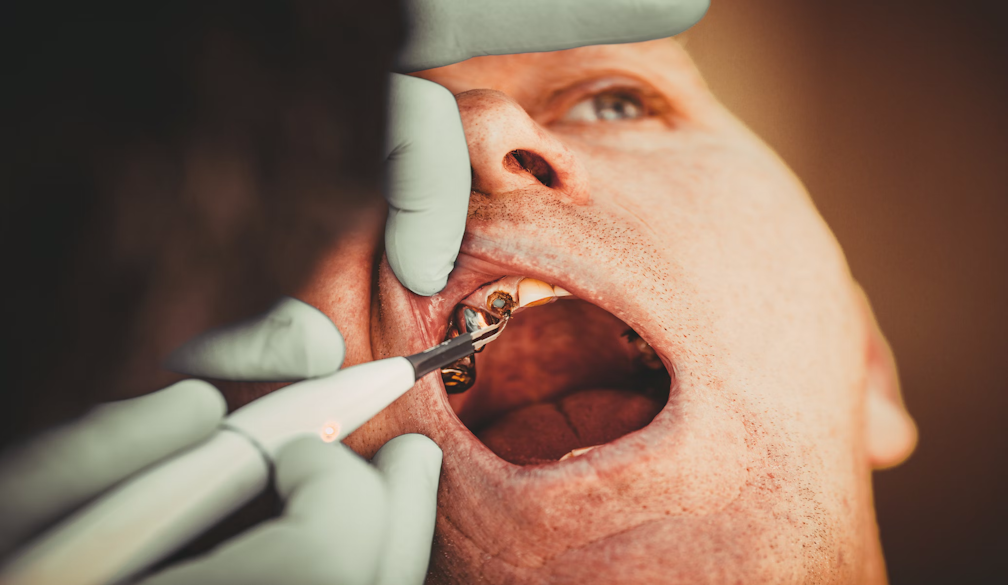
Visiting the dentist isn’t exactly at the top of most people’s to-do lists. Life gets busy, dental anxiety is real, and sometimes it just doesn’t seem urgent—especially if you’re not in pain. But what really happens if you put off that check-up for a year or even longer? The short answer: more than you might expect.
This article takes a down-to-earth look at what skipping the dentist for extended periods can mean for your health, your wallet, and your long-term wellbeing.
The First Year: What Changes You Might Not Notice
Let’s say it’s been a year since your last appointment. You brush twice a day, maybe floss here and there, and your teeth look fine in the mirror. So far, so good?
Not necessarily.
Many early-stage dental problems develop quietly. You won’t always feel pain or see a visible sign in the mirror. Issues like early gum disease (gingivitis), enamel erosion, and small cavities often progress silently. Dentists are trained to spot these at a stage when they’re easy to manage—often with simple cleaning or minor fillings.
Without that check-up, you might miss the warning signs. By the time you notice a problem, it could be more advanced—and more expensive or invasive to treat.
Realistic outcome after one year:
- Hardened plaque (tartar) builds up, which you can’t remove with a toothbrush.
- Early cavities may form.
- Gum inflammation might go unnoticed.
- If you grind your teeth or have a bite issue, damage can worsen gradually.
Year Two and Beyond: Risk Increases Quietly
Pushing that appointment out another year? The risks increase—and often without much warning.
1. Gum Disease Progresses
One of the most common long-term issues is gum disease. In its early stages (gingivitis), it might just cause mild bleeding when you brush or floss. But left untreated, it can develop into periodontitis—an irreversible condition where gums pull away from teeth, bone starts to erode, and teeth can eventually loosen or fall out.
By the second year of skipping visits, what could’ve been a reversible condition might now require deep cleaning procedures (called scaling and root planing) or even surgery.
2. Cavities Get Deeper—and More Costly
That small cavity that could’ve been treated with a simple filling might now need a crown or root canal. Once decay reaches the tooth’s inner pulp, it usually brings pain, infection risk, and higher costs. If a root canal isn’t done in time, the only remaining option may be extraction.
3. Oral Cancers Go Unchecked
This is one of the more serious, often overlooked risks. Dentists routinely screen for signs of oral cancer during check-ups. These include subtle changes to soft tissue that you’d likely never notice on your own. Early detection is crucial—delayed diagnosis can have life-threatening consequences.
4. Minor Issues Turn Into Major Headaches
Dental professionals also check your bite, jaw alignment, signs of wear from grinding or clenching (bruxism), and more. Missed appointments mean missed chances to correct these before they start causing chronic pain or complications like cracked teeth or temporomandibular joint (TMJ) issues.
Financial Impacts: The Longer You Wait, The More It Costs
Avoiding the dentist might feel like saving money in the short term. But long-term, the opposite is usually true.
Preventive care—check-ups, cleaning, small fillings—is relatively affordable. But when issues are allowed to progress, they often demand more complex and costly treatments. Costs multiply if you need treatment on multiple teeth. And dental insurance usually has annual limits that don’t stretch far once major work begins.
A Mental Health Angle: Dental Avoidance and Anxiety
It’s worth mentioning the psychological toll. Dental anxiety is common—and for many, it’s the reason behind skipped visits. Ironically, avoiding the dentist often makes the situation worse.
As problems build up unnoticed, fear of hearing “bad news” grows. This reinforces avoidance, which only leads to more advanced issues and more stressful (and expensive) treatment plans.
Acknowledging this pattern is important. Dentist burleigh sees this all the time—they’re not there to judge. Many offer gentle approaches or sedation options to make the experience less stressful.
But What If You’re Not In Pain?
One of the biggest misconceptions is that dental problems always come with pain. Unfortunately, by the time something hurts, it’s often serious.
- Gum disease doesn’t usually hurt—until teeth start to loosen.
- Tooth decay can go deep before it hits a nerve and becomes painful.
- Oral cancers may cause no pain at all in the early stages.
Relying on pain as your signal to see a dentist is like waiting for your car engine to seize before booking a service.
What About At-Home Care?
Good daily habits make a big difference—brushing, flossing, a healthy diet—but they don’t replace professional care. No matter how meticulous you are, plaque will eventually harden into tartar. Certain spots in the mouth (like behind lower front teeth and back molars) are especially prone to buildup.
A dentist or hygienist has tools and training to remove it safely and inspect areas you simply can’t see or reach. Their input is especially important as you age, when risks like gum recession and dry mouth increase.
What To Do If It’s Been A While
If you’re reading this and realising it’s been more than a year—or two—don’t panic. You’re not alone, and it’s not too late to get back on track.
Here’s a realistic approach:
- Book a check-up: Let them know it’s been a while. Many clinics understand and won’t shame you for it.
- Get a treatment plan: You might not need major work. Even if you do, knowing what’s needed is the first step.
- Break it into stages: If cost or anxiety is a concern, most dentists can prioritise urgent work and stagger less critical treatment.
- Stick to the basics: From here on, aim for yearly visits, or as often as your dentist recommends based on your risk factors.
The Bottom Line
Skipping the dentist for a year or two might not seem like a big deal—especially if you feel fine. But dental issues tend to build up quietly, and the consequences of delay can be serious, both for your health and your budget.
While everyone misses an appointment now and then, regular check-ups are one of the simplest ways to avoid more complex problems later on. Whether it’s been one year or five, the best time to book that visit is now—not when something starts to hurt.
?%20A%20Realistic%20Look "Pin It")

 Daily Bulletin


