

What to Consider When Choosing a Sleep Apnea Mask
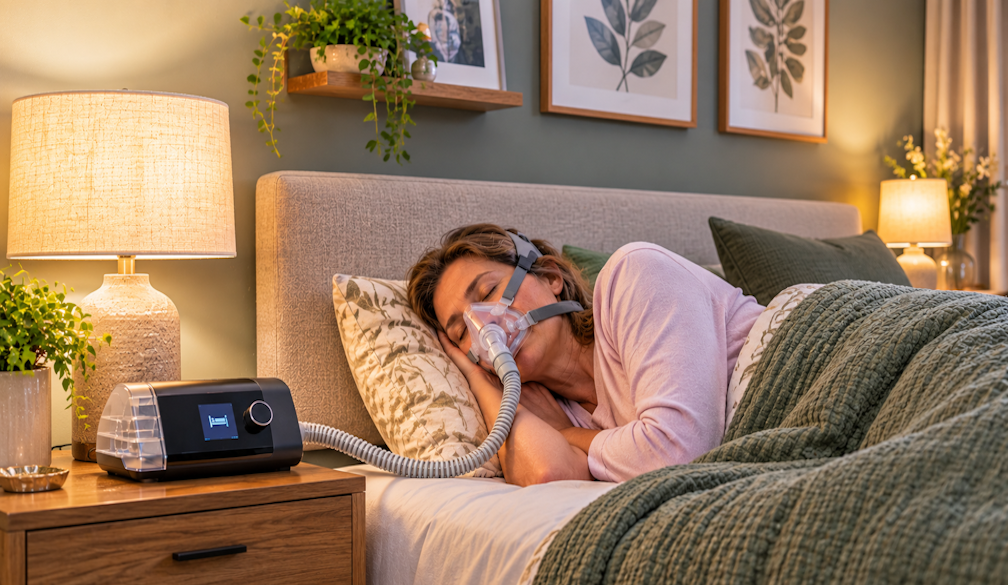
Finding a suitable sleep apnea mask involves balancing comfort, fit and the requirements of the therapy prescribed by a healthcare professional. A mask needs to create a reliable seal while remaining comfortable enough to wear as directed during sleep. Since people differ in facial shape, breathing habits and sleeping positions, there is no single design that works best for everyone. Learning about the available styles and knowing when to ask for professional help can make the selection process more straightforward.
MyHappierSelf offers information and products for people researching sleep-related needs. When reviewing a sleep apnea nose mask, consider how it sits on your face, whether it stays in place as you move and how easy it is to clean. If you already use positive airway pressure equipment and experience leaks, soreness or difficulty tolerating the interface, seek help from your equipment supplier or healthcare professional. Avoid changing prescribed settings or abandoning treatment without advice.
Learn How Mask Designs Differ
Sleep therapy masks vary in the areas of the face they cover and the way they deliver airflow. A nasal mask covers the nose, nasal pillows sit at the nostril openings, and a full-face mask covers the nose and mouth. Each design has practical differences in contact points, coverage and how it may feel when lying down. A healthcare professional or equipment supplier can help explain which options may be suitable for your prescribed treatment.
Some people prefer a smaller interface with less facial coverage, while others need or prefer a design that includes the mouth. Nasal congestion, mouth breathing, comfort preferences and the type of equipment being used can all affect the decision. Product descriptions are useful for comparing features, but they should not replace individual fitting advice where treatment suitability is concerned.
Check Fit, Seal and Adjustability
A suitable mask should stay in position and maintain its seal without requiring the headgear to be pulled excessively tight. If air escapes around the cushion, check the fit according to the manufacturer's instructions and ask for help if the problem continues. Repeatedly tightening straps can increase pressure and create sore areas without resolving the underlying issue. The right size and correct positioning are important parts of comfortable use.
Skin sensitivity is another factor to consider. Pay attention to pressure points around the nose, cheeks and forehead, and speak with a supplier if irritation continues. Cushions and other replaceable parts should be checked and maintained according to the product instructions. If your weight, facial hair or other features change, the fit may also need to be reviewed.
Make Daily Care Manageable
Regular care helps keep the mask in suitable condition. Follow the cleaning and maintenance instructions supplied with the equipment, including guidance on how often to clean components and when to replace them. Avoid harsh products or methods that are not approved for the materials. Store the mask where it can remain clean and protected from damage, and check connectors and cushions as part of your usual routine.
A simple evening setup can also help. Keep the equipment arranged so that tubing is not pulled or trapped, and consider how your pillow and sleeping position affect the mask. If you travel, check the manufacturer's advice for packing and transporting the equipment. These practical habits do not replace clinical care, but they can make prescribed therapy easier to manage consistently.
Get Help With Ongoing Problems
If you experience ongoing leaks, discomfort, dry mouth or difficulty using the mask for the prescribed period, contact your healthcare professional or equipment supplier. They may be able to review the fit, explain other designs or identify whether an adjustment is needed. Symptoms and treatment needs differ, so avoid relying on another person's experience as a substitute for individual advice.
Seek professional guidance if nasal symptoms or other concerns make the interface difficult to use. Do not alter prescribed pressure settings on your own. MyHappierSelf can help you explore general product information, while decisions about treatment and suitability should be made with an appropriately qualified professional.
Conclusion
A good sleep apnea mask should be comfortable, maintain a suitable seal and work with the therapy prescribed for you. Consider design, fit, cleaning and your sleeping routine, and seek professional assistance if problems persist. When comparing a sleep apnea nose mask with other styles, use product information as a starting point and confirm individual suitability with your healthcare professional or equipment supplier.


 Daily Bulletin


