

From Free-to-Air to Netflix: Where Australian Brands Are Spending Their TV Dollars Now
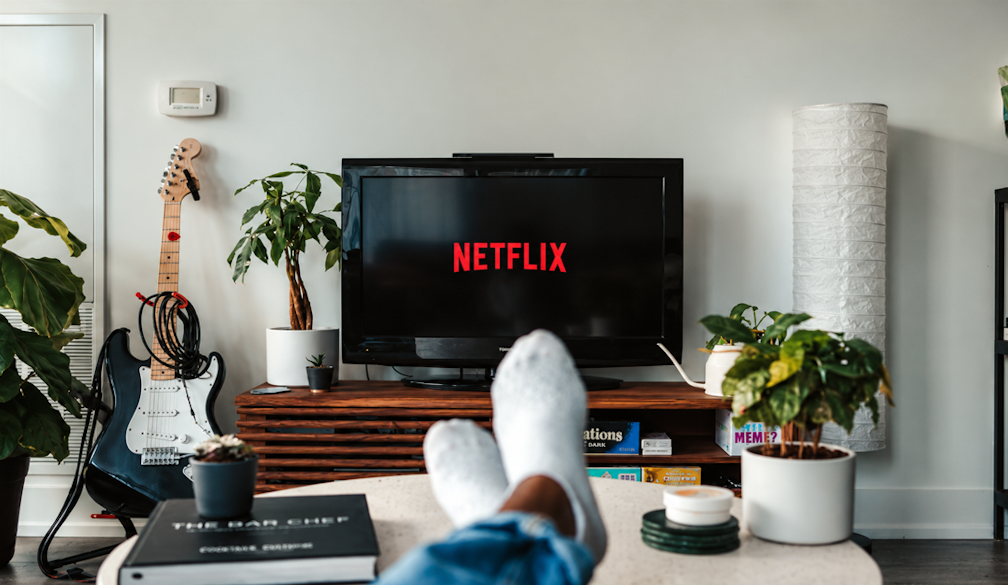
Not long ago, an ad break meant one thing in Australian homes: free-to-air television. Today it might appear before an episode on Netflix, partway through a film on Prime Video or during a live game streamed through a broadcaster's app.
That change on screen reflects a bigger shift behind the scenes, as brands follow audiences across a fragmented TV landscape and rethink where their money goes.
Viewers have warmed to ads
Streaming services built their reputations on being ad-free, so the speed at which Australians have embraced ad-supported plans has surprised some observers. Cost of living has played a big part.
A 2025 PwC and YouGov study of more than 2,500 Australians found six in ten prefer ad-supported streaming, with 74% naming value for money as the most important factor in their entertainment choices. Kantar data shows ad-supported tiers had reached 30% of Australian households by early 2025, more than double the 12.5% recorded a year earlier.
Netflix enters the ad market
Netflix launched its ad-supported tier in Australia in November 2022, and uptake has accelerated since. According to Kantar, the share of new Netflix subscribers choosing the ad tier rose from 42% to 60% in the first quarter of 2025.
For brands weighing up Netflix advertising in Australia, the attraction is a large, engaged audience in a premium environment. Netflix has targeted ad loads of around four to five minutes per hour of viewing, lighter than what audiences are used to on commercial TV, and its viewers are often watching high-profile content on the biggest screen in the house.
Its early days were bumpy. Reports in the months after launch suggested take-up of the ad tier in Australia was well below initial projections. The picture has changed considerably since. Ampere Analysis forecasts Netflix will become Australia's third-largest ad-supported streamer by 2027, earning more than $150 million in ad revenue that year, behind only 7Plus and 9Now.
Other global services have followed. Amazon Prime Video scaled its ad business quickly by moving its entire subscriber base onto the ad tier at launch.
How streaming ads differ from the traditional break
For viewers and advertisers alike, ads on streaming platforms work quite differently from the commercial breaks Australians grew up with.
Breaks tend to be shorter, and ads usually can't be skipped. Instead of buying a slot in a particular program, advertisers typically target audiences by region, age, interests or viewing habits, while frequency caps limit how often the same household sees the same ad. Platforms are also experimenting with newer formats, such as sponsorships of themed collections and ads that appear when a viewer pauses.
For advertisers, the other big difference is data. Streaming campaigns can be reported on impression by impression, which makes it easier to connect TV activity to website visits, enquiries and sales.
Following the money
The broader TV market is being reshaped as a result. WPP Media forecasts total TV advertising revenue in Australia will fall 6.2% to around $3 billion in 2026, with video on demand making up 29% of that figure, and expects on-demand to reach 66% of TV revenue by 2031.
Within TV, the balance is tipping steadily toward streaming, even as the total pool shrinks and some budgets move to other channels entirely.
Free-to-air still has a role
It would be a mistake to write off broadcast TV. OzTAM's first Streamscape report, covering the first quarter of 2025, found broadcast TV still held a 61.5% share of viewing among all people. Live sport, news and major entertainment events continue to draw mass audiences in real time.
Broadcasters are also capturing more of the streaming shift themselves through their own apps. BVOD accounted for almost 15% of Total TV viewing in the third quarter of 2025. In Seven's 2025 financial year, BVOD made up about 15% of its Total TV advertising revenue, and its chief executive noted that free-to-air Total TV still accounted for almost 70% of all video viewing among 25 to 54 year olds.
For most brands, the question has shifted from "TV or streaming?" to "what's the right mix?" Broadcast delivers fast, broad reach. Streaming adds targeting, frequency control and the ability to reach lighter TV viewers who rarely sit down for scheduled programming.
What it means for local businesses
The streaming shift has opened TV to advertisers who were once priced out. Because streaming ads are bought by impressions and can be targeted by location and audience, a regional business or a single-state brand can run campaigns on the big screen without paying to reach the whole country.
Netflix has moved in this direction too. The company said programmatic guaranteed buying would come to Australia in 2025, making its inventory accessible through the same buying platforms used for other digital channels. Premium streaming inventory still tends to cost more than many other video options, so it works best as part of a considered plan.
What it means for viewers
For audiences, the trade-off is simple: accept some ads in exchange for a lower monthly bill. As platforms get better at using viewing data, the ads people see are also likely to become more relevant, whether that's a local car dealer, a nearby gym or a national brand with a product suited to their stage of life.
Platforms face a balancing act. Kantar found that when Netflix moved legacy subscribers from an ad-free basic plan onto an ad-supported one, their net promoter score dropped from 34 to 24 points. Too many ads, or poorly targeted ones, risk pushing subscribers back to ad-free plans or away altogether. That tension helps explain why the major streamers have kept ad loads relatively light so far.
What to watch next
Several trends will shape where TV dollars go over the next few years. Live sport is becoming a bigger part of streaming, bringing the real-time audiences advertisers value most. Measurement across broadcast and streaming platforms continues to improve, making it easier to plan campaigns across both.
Supply is growing too. Netflix acknowledged in 2024 that its ad audience was scaling faster than its ability to sell the available inventory. As platforms catch up, advertisers can expect more options, more competition for their budgets and more sophisticated ways to buy.
For local brands, the practical takeaway is to keep testing. The mix that works today may look quite different in two years.
A new shape for Australian TV
The ad break has spread across more screens, apps and services than ever before. For brands, that means more choice and more complexity. For viewers, it means cheaper options and ads that increasingly reflect what they actually watch.
Australian TV advertising now follows viewers wherever they choose to watch, and right now that includes Netflix.


 Daily Bulletin


