

What Happens to Remaining Sperm Stored in the Vas Deferens After the Procedure
Deciding to undergo a permanent contraceptive procedure is a significant life step for many men. When considering vasectomy surgery, it is common to wonder about the mechanics of the procedure and what happens to the body afterwards. While the operation successfully prevents new sperm from entering the semen, it does not instantly clear the reproductive tract. A pool of viable sperm remains upstream in the vas deferens immediately following the operation. Understanding how the body processes and eventually clears these lingering cells is essential for ensuring successful contraception. This guide explains the biological journey of these remaining cells, helping you manage your recovery period with confidence and realistic expectations.
The Anatomy of Post-Procedure Clearance
To understand where the remaining cells go, we must look at male reproductive anatomy. During the procedure, the surgeon cuts and seals the vas deferens, the tubes that transport sperm from the testes to the urethra. This blockage successfully prevents new sperm from mixing with semen. However, the section of the vas deferens above the cut—closer to the urethra—still contains active sperm.
These existing cells do not disappear immediately. This is why medical professionals emphasise that you are not instantly sterile. The presence of sperm after vasectomy requires patients to use alternative contraception until they receive official clearance. The remaining cells are suspended in seminal fluid within the upper portion of the tubes and the seminal vesicles. They remain viable and capable of fertilisation for several weeks or even months. To safely clear this reservoir, you must ejaculate regularly over the coming weeks. Without this active clearance, the cells will simply remain in the upper tract, posing a continued risk of unplanned pregnancy. Doctors typically advise that it takes around twenty ejaculations or at least twelve weeks to flush the remaining cells from the system entirely. It takes time and physical clearance to empty these biological pipelines completely, making patience a vital part of your recovery journey.
How the Body Absorbs Uncleared Cells
While ejaculation is the primary method for clearing the upper vas deferens, the body also has a natural recycling system for unused cells. Sperm cells are essentially proteins. When they remain stagnant in the reproductive tract, they eventually reach the end of their natural lifespan, which is typically a few weeks. Once these cells die, the body initiates a natural cleanup process.
Specialised white blood cells, known as macrophages, identify the dead cells as waste material. These macrophages break down the sperm through phagocytosis, absorbing the cellular components back into the bloodstream. This recycling process is highly efficient and occurs constantly in the male body, even before undergoing vasectomy surgery. In a healthy, uncut system, unused sperm are regularly broken down and reabsorbed in the epididymis. After the operation, this same mechanism handles the sperm trapped on the testicular side of the blockage. The testes continue to produce sperm at a normal rate, but because the exit route is closed, these cells simply age, die, and undergo reabsorption. This natural cycle ensures that there is no dangerous buildup of pressure or material within the scrotum, maintaining long-term comfort and reproductive health.
The Timeline for Complete Clearance
The timeline for achieving a zero sperm count varies significantly from person to person. It depends on factors such as age, ejaculation frequency, and individual anatomy. Generally, patients must wait at least three months before testing their semen. During this period, residual sperm after vasectomy gradually decline in number.
The Role of Semen Analysis
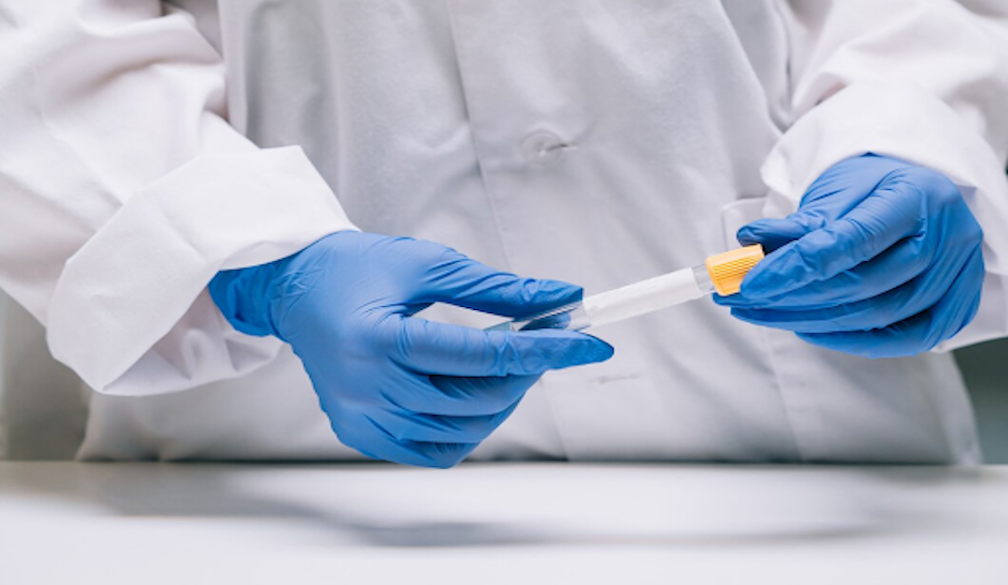
You cannot assume you are sterile based on time alone. The only way to confirm the complete absence of active cells is through a semen analysis, usually scheduled twelve to sixteen weeks post-surgery. You will provide a sample to a pathology lab, where technicians examine it under a microscope.
Why Early Testing is Discouraged
Testing too early often yields frustrating results, as residual cells frequently linger longer than expected. If the analysis shows any motile sperm, you must continue using backup birth control and test again in a few weeks. Only when a sample shows complete azoospermia—meaning zero sperm—or a negligible number of non-motile cells can you safely stop using other contraceptive methods. Relying on guesswork during this window is the leading cause of post-procedure pregnancy, highlighting the importance of strict adherence to the testing schedule.
Factors Influencing Sperm Clearance Rates
Several variables influence how quickly your body clears the remaining sperm after vasectomy. The most controllable factor is the frequency of ejaculation. Men who ejaculate more frequently in the weeks following the procedure tend to clear the remaining cells faster than those who do not. However, you must wait for your doctor's approval before resuming sexual activity, usually about one week after the vasectomy surgery to allow the incisions to heal.
Anatomical differences also play a role. Some men have larger seminal vesicles or longer vas deferens segments, which can store a higher volume of fluid and cells. Additionally, the specific surgical technique used—such as conventional scalpel or no-scalpel methods—can influence localised inflammation. Increased swelling can temporarily restrict the flow of fluids, slightly delaying the clearance of residual cells. It is also worth noting that older men may experience a slightly slower clearance rate due to natural changes in metabolic and cellular recycling processes. Regardless of these individual differences, following your surgeon's post-operative guidelines remains the most effective way to ensure a smooth, predictable recovery and a swift transition to complete sterility.
Managing the Recovery Period Safely
Successfully managing the weeks following your procedure requires a balance of rest and adherence to medical advice. While the physical recovery from the operation is often quick, with most men returning to light activities within a few days, the internal healing process takes longer. Managing discomfort with cold packs and supportive underwear is crucial during the first forty-eight hours to minimise swelling and protect the delicate surgical site.
Avoiding strenuous exercise, heavy lifting, and vigorous sexual activity during the first week prevents complications like hematomas or wound separation. When you do resume sexual activity, using dependable backup contraception is non-negotiable until your doctor reviews your semen analysis. Many couples make the mistake of abandoning protection too early, assuming that a lack of pain equals a lack of sperm. Treating the post-operative phase with the same care as the surgery itself guarantees the best outcome. If you experience unusual symptoms, such as severe pain, rapid swelling, or a high fever, contact your healthcare provider immediately, as these can indicate an infection or other issues requiring prompt medical attention. Taking these precautions ensures that your body heals efficiently while you wait for the remaining cells to clear naturally.
Conclusion
Undergoing a permanent sterilisation procedure is a highly effective choice for family planning, but achieving complete sterility requires time and patience. The remaining sperm stored in the vas deferens do not disappear instantly; they must be actively cleared through ejaculation and naturally reabsorbed by the body's immune system. Relying on a professional semen analysis is the only foolproof method to confirm that you are clear of all viable cells. By understanding this biological timeline, following post-operative guidelines, and consistently using alternative contraception until cleared, you can ensure a safe, successful outcome. Taking these steps allows you to move forward with complete peace of mind regarding your reproductive health.


 Daily Bulletin


