

What to Ask Your Hire Specialist Before Booking Commercial Vehicles Inter-State
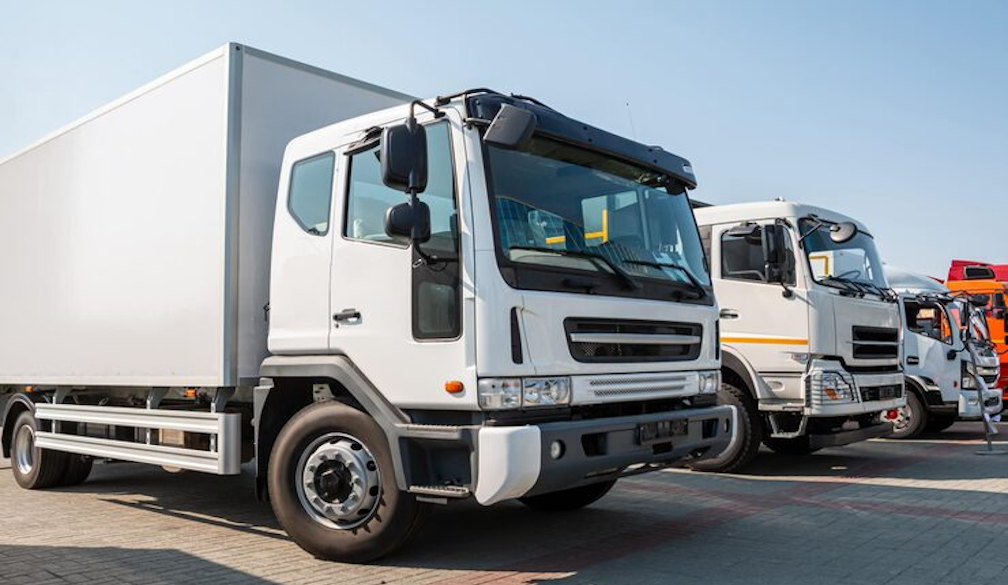
Planning a long-haul commercial trip across Australia requires more than just booking a vehicle and hitting the highway. Whether you need a heavy-duty truck hire in Perth to move freight across the Nullarbor or a smaller transport option for urban deliveries, asking the right questions beforehand prevents costly delays. Inter-state logistics involve varying state regulations, permit requirements, and specific vehicle maintenance standards that differ across borders. Failing to clarify these details with your hire specialist can lead to unexpected fines or logistical bottlenecks. By asking targeted questions during the booking process, you ensure your business operations remain compliant, efficient, and within budget throughout the entire interstate journey.
Understanding Inter-State Travel Permissions and Drop-Off Fees
Before signing any rental agreement, you must confirm whether the provider permits their vehicles to cross state lines. Some local hire companies restrict their fleet to intra-state travel due to insurance limitations or maintenance logistics. If you secure a van rental in Melbourne with the intention of driving to Adelaide or Sydney, you must verify that your contract explicitly authorises interstate travel.
One-Way Rental Policies
One-way journeys often incur significant relocation fees. Ask your hire specialist how they calculate these charges. Some companies charge a flat fee, while others base the cost on the total distance travelled or the ease of returning the vehicle to its home depot.
Cross-Border Road Tolls
Additionally, clarify how the provider handles interstate road tolls. Different states use different electronic tolling systems, such as Linkt in Queensland and New South Wales or CityLink in Victoria. Ask if the vehicle features an active e-tag that works nationally, or if you need to register the vehicle registration number on your own business toll account. Managing these details before departure prevents administrative headaches and ensures your drivers can focus entirely on the road ahead.
Clarifying Weight Limits and State-Specific Road Regulations
Australia's transport laws are not uniform across every state and territory. Weight limits, speed restrictions for heavy vehicles, and driver licensing requirements can change when you cross a border. For example, if you arrange a truck hire in Perth for a journey to the eastern states, you must understand the Gross Vehicle Mass (GVM) restrictions that apply in Western Australia compared to South Australia or Victoria.
Driver Licence Classifications
Always ask your specialist if your drivers hold the correct licence class for the specific vehicle in every state on your route. A standard car licence might allow you to drive a certain size of commercial vehicle in one state, but local variations could require a Light Rigid (LR) or Medium Rigid (MR) licence elsewhere.
Rest Areas and Logbooks
Heavy vehicle drivers must also comply with strict fatigue management laws, which vary by state. Ask the hire provider if they supply the necessary national driver logbooks or if your team must source their own. Knowing these regulatory differences beforehand protects your business from heavy fines and ensures your drivers remain safe. Clarifying these operational parameters with your hire specialist guarantees a compliant journey across every state line.
Evaluating Breakdown Support and Maintenance Networks
Mechanical issues can occur on any long-distance trip, and a breakdown in a remote area can jeopardise your delivery schedule. You need to know exactly how the hire company handles roadside assistance when the vehicle is thousands of kilometres away from its originating depot. If you book a van rental in Melbourne and the engine fails in regional New South Wales, a local Melbourne-only mechanic network will not suffice.
National Support Infrastructure
Inquire about the hire company's national service network. Do they partner with national roadside assistance providers, or do they have proprietary service centres across the country? Ask who you should call in an emergency and what the expected response times are for remote areas.
Replacement Vehicle Policies
If the commercial vehicle requires extensive repairs that cannot be completed quickly, ask if the company provides a replacement vehicle of a similar specification. A reliable hire specialist should have a clear protocol for transferring your cargo to a replacement vehicle to minimise downtime. Understanding these emergency procedures gives your logistics team peace of mind, knowing that a mechanical setback will not completely halt your business operations.
Assessing Insurance Coverage and Excess Reduction Options
Commercial vehicle insurance is complex, especially when operating across state lines where driving conditions vary wildly. Standard rental insurance policies often contain exclusions that could leave your business liable for thousands of dollars in damages. When organising a truck hire in Perth or coordinating a van rental in Melbourne, you must scrutinise the insurance policy details with your hire specialist.
Overhead and Underbody Damage
Many standard commercial vehicle policies exclude damage to the underbody or the overhead cabin. Ask if these common damage types are covered under the standard agreement or if you need to purchase additional coverage.
Single-Vehicle Accidents and Wildlife Collisions
Driving on regional Australian highways increases the risk of wildlife collisions, particularly at dawn or dusk. Some policies exclude single-vehicle accidents or animal collisions altogether. Ask your specialist about the cost of excess reduction options to lower your financial exposure in the event of an accident. It is also wise to verify if the insurance covers the cargo inside the vehicle, or if your business must maintain a separate transit insurance policy. Clarifying these insurance nuances ensures your business remains fully protected against unforeseen financial liabilities.
Conclusion
Booking a commercial vehicle for inter-state transport requires careful preparation and open communication with your hire specialist. By asking detailed questions about border permissions, state regulations, national maintenance networks, and insurance exclusions, you protect your business from unexpected costs and operational delays. Whether your next logistical project involves moving freight across the country or managing local deliveries, thorough preparation is the key to a successful journey. Taking the time to clarify these essential details before signing your rental agreement ensures that your drivers remain safe, your cargo arrives on time, and your business operations run smoothly across every state border.


 Daily Bulletin


