

Moving Out of a Rental in Melbourne? A Practical Moving Checklist
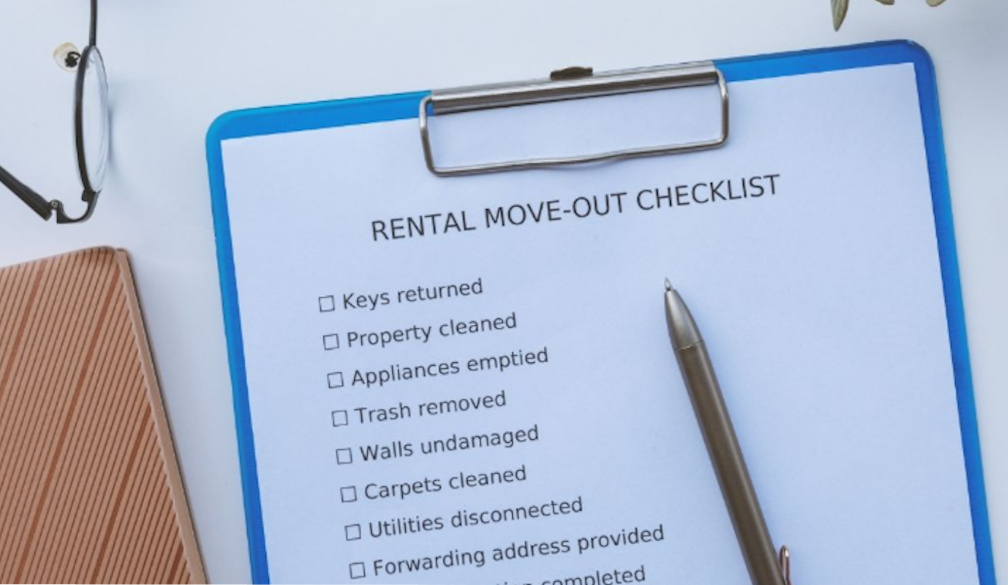
Moving out of a rental in Melbourne is one of those things that always feels further away than it is. Then suddenly the date is two weeks out and there is still a full house to pack, a truck to book and a property to hand back. This moving out checklist is for Melbourne renters who want to get the move organised, on time and without the last-minute scramble.
1. Plan Your Move
The earlier you start planning, the smoother everything runs.
Confirm your moving date and book your removalist. Melbourne rental turnover peaks at the end of the month. Quality Melbourne movers and packers get booked out fast, especially on Fridays and Saturdays. Once your vacate date is confirmed, lock in your removalist straight away.
Work out what is coming with you. Before packing begins, review every room and sort your belongings into items to keep, donate, sell or dispose of responsibly. Clearing out unused appliances, old furniture, excess clothes and household clutter will reduce the number of items you need to move. This saves time, lowers moving costs and makes the whole process more organised.
Keep valuables with you. Pack cash, jewellery, passports, credit cards, important documents and other valuable items in your handbag or a personal bag that stays with you throughout the move. These should never go on the truck.
Plan for pets and plants separately. Talk to your removalists about the safest way to move your pets and pot plants. They often need different care and transport arrangements from your household furniture.
2. Start Packing and Organising
Work through this section alongside your house moving checklist so moving day is about execution, not last-minute decisions.
Stock up on packing supplies. Boxes, bubble wrap, packing tape and markers. More than you think you will need. Running out mid-pack and having to stop is a frustrating waste of time.
Start packing non-essentials first. Books, décor, spare linen, seasonal clothes and anything you will not need before moving day. Pack room by room and label every box clearly with the room it belongs to and a brief note of what is inside. Unlabelled boxes make unpacking miserable.
Pack heavier items in smaller boxes. Books, kitchen appliances and tools add up fast. Smaller boxes keep them manageable to carry and reduce the risk of boxes splitting.
Protect fragile items properly. Wrap breakable belongings with quality packing materials. Add extra protection to furniture corners and edges to help prevent scratches, dents and damage during the move.
3. Complete Your Final Preparations
This is not the day to start packing from scratch. If you have followed the steps above, this should be a final tidy-up, not a panic.
Pack your essentials bag. Phone charger, a change of clothes, toiletries, snacks, medications and anything you will need immediate access to at the new place. Keep this separate from everything being loaded onto the truck.
Arrange parking and lift access in advance. Reserve parking close to your property and book the lift if needed before the removalists arrive. Let your movers know these details early so they can plan ahead. This helps avoid delays and makes moving day far less stressful.
Confirm your booking with your removalist. Go over arrival time, address and any access details they need to know like apartment lift bookings or parking restrictions.
Photograph every room, appliance, wall and fixture. Date-stamp the photos. This takes 15 minutes and protects you if there is ever any question about the property's condition when you left.
4. Follow Your Moving Day Checklist
Keep it simple. A clear plan at the start of the day makes everything run faster.
- Show the removalist crew around before loading starts. Point out fragile items, anything that needs disassembly and where the truck can position safely outside.
- Keep pathways clear through the property so the crew can work efficiently without navigating around obstacles.
- Do a full walkthrough of every room, cupboard, wardrobe and storage space before the truck leaves.
- Take a final set of photos of the empty property before you hand back the keys.
- Return all keys, remotes and access cards to your agent or rental provider on the agreed date.
5. Settle Into Your New Home
The move does not end when the truck arrives. A bit of planning here makes the first few nights far more comfortable.
Start with the essentials. Beds assembled and made up, bathroom unpacked and the kitchen functional. Everything else can wait. Unpack room by room rather than pulling everything out at once. It feels more manageable and keeps the new place from looking like a storage unit for the first week.
If you need a hand with the move for packing, heavy furniture or a tight timeline, it helps to have a crew that knows what they are doing. Harry The Mover offers free quotes and responds the same day.
FAQs
How far in advance should I book a removalist in Melbourne?
Book at least three to four weeks out. Melbourne rental periods end mostly on the same dates, so removalists fill up fast especially on Fridays and weekends.
How long does it take to move out of a rental property in Melbourne?
A standard two or three bedroom rental move takes around four to six hours. Larger homes or upper floor apartments with stairs can take longer depending on access.
Should I pack myself or hire a professional packing service?
Packing yourself saves money but takes more time than most people expect. A professional packing service is worth considering if your timeline is tight or you have fragile and valuable items.
What is the easiest way to move furniture out of an apartment in Melbourne?
Book the lift and loading dock with your building manager at least a week before moving day. Let your removalist know in advance so they can plan arrival time around your access window.
How do I make sure nothing gets damaged when moving out of a rental?
Use proper packing materials for fragile items, disassemble large furniture before moving day and hire a removalist who uses furniture blankets and straps on every job as standard.


 Daily Bulletin


